
0
36
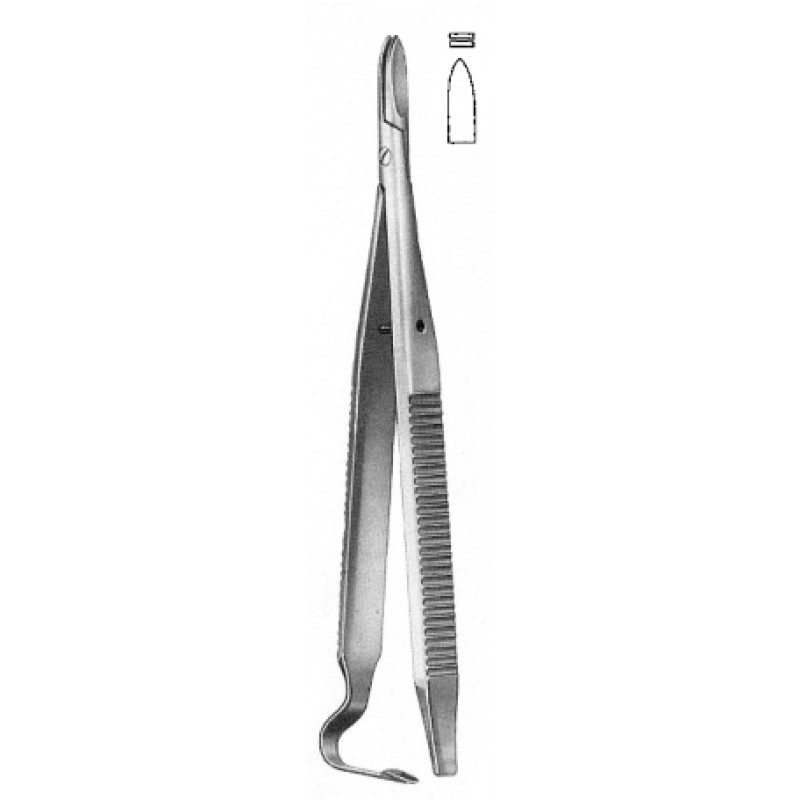
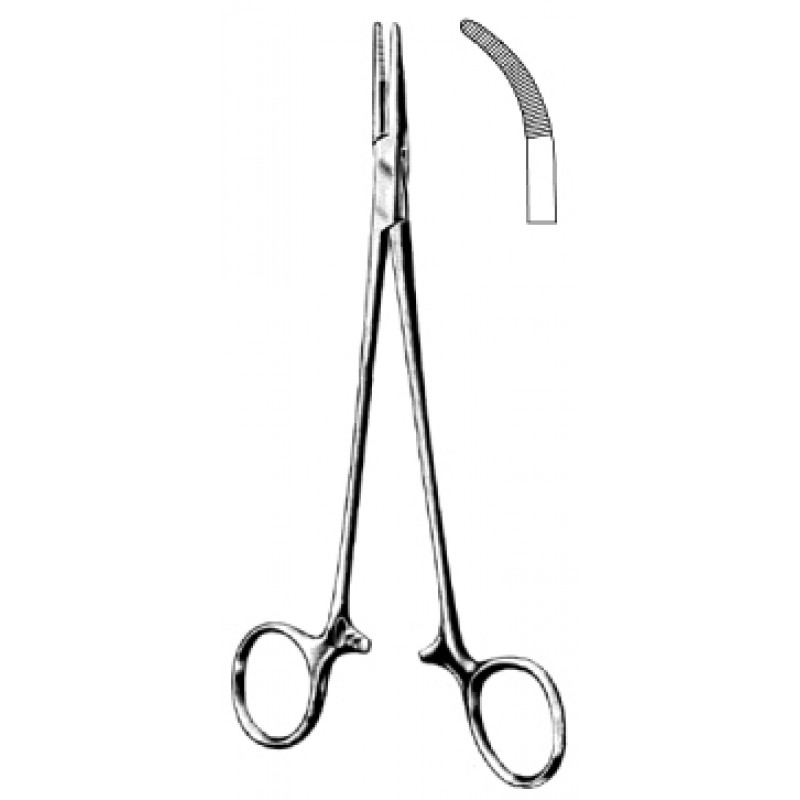
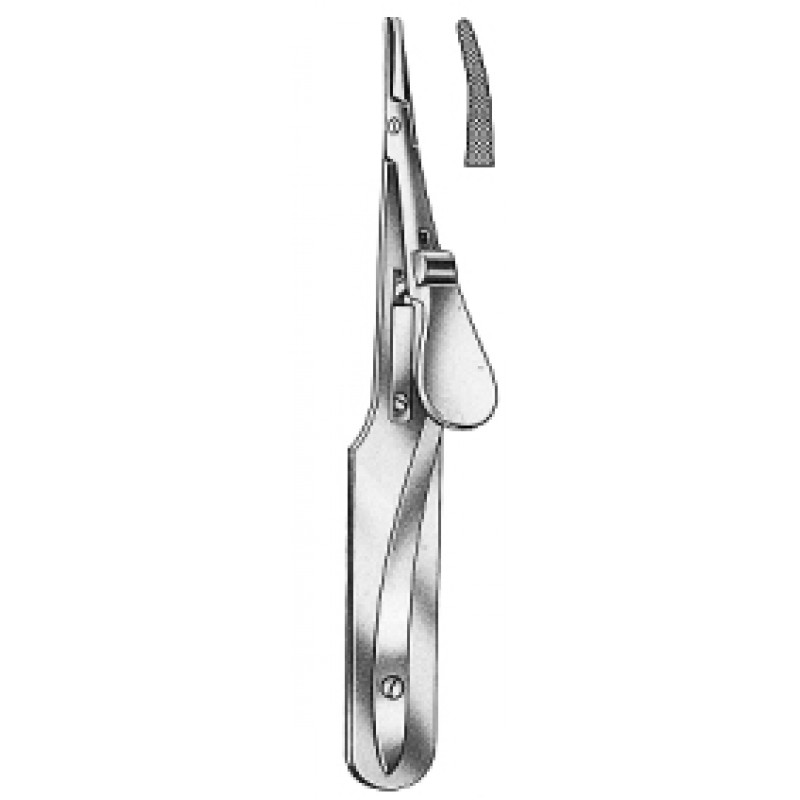
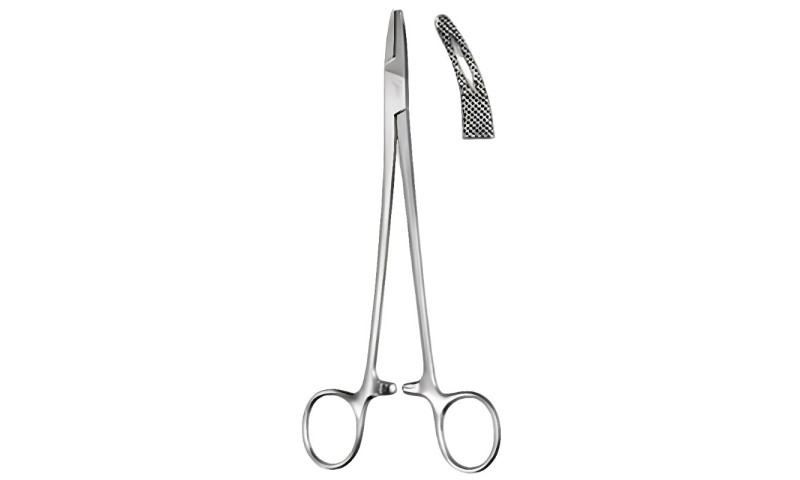
Needle holders — also called needle drivers — are the instrument a surgeon relies on for every stitch. Their job is to grip a curved suture needle firmly enough that it doesn't rotate or slip as it passes through tissue, while still letting the user reposition it quickly. Because suturing happens in..
0
74
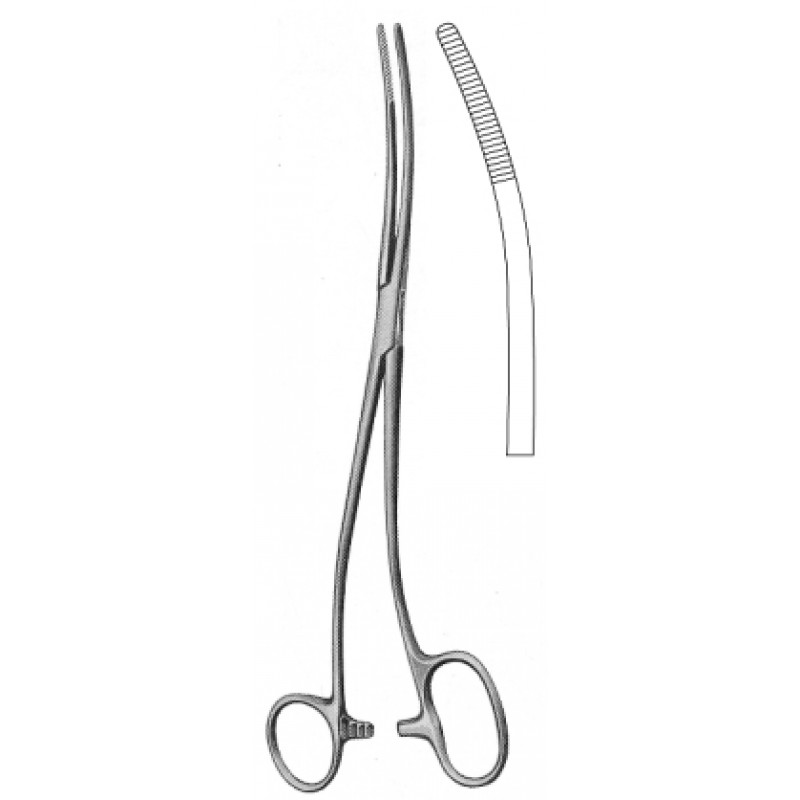
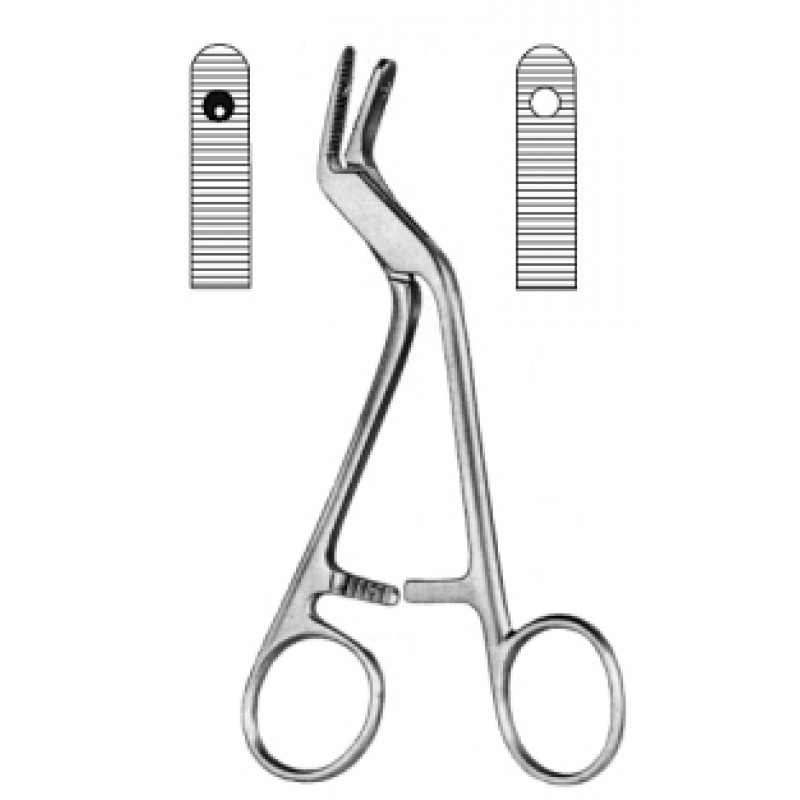
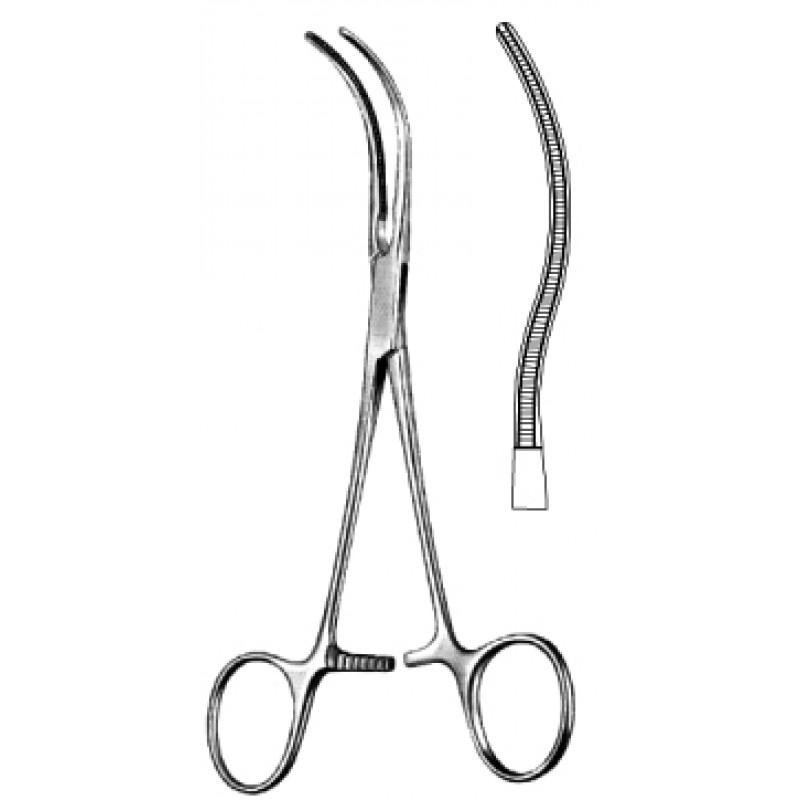
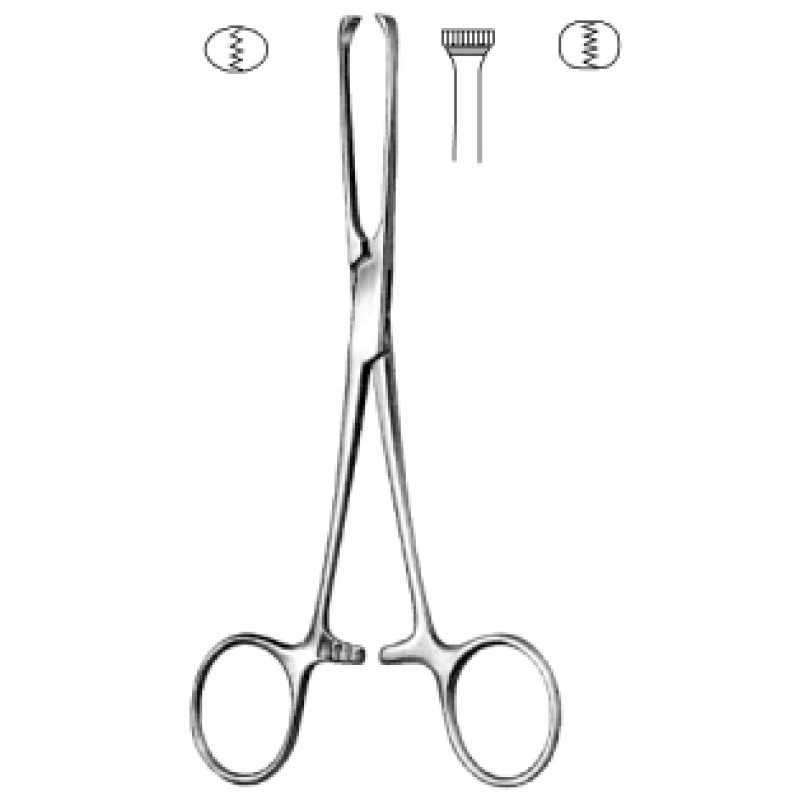
Artery forceps — often called hemostats or hemostatic clamps — are among the most frequently used instruments in any operating room. Their job is simple in concept: clamp down on a blood vessel to stop bleeding, or hold tissue steady during a procedure. But the range of jaw designs, curves, and size..
0
40
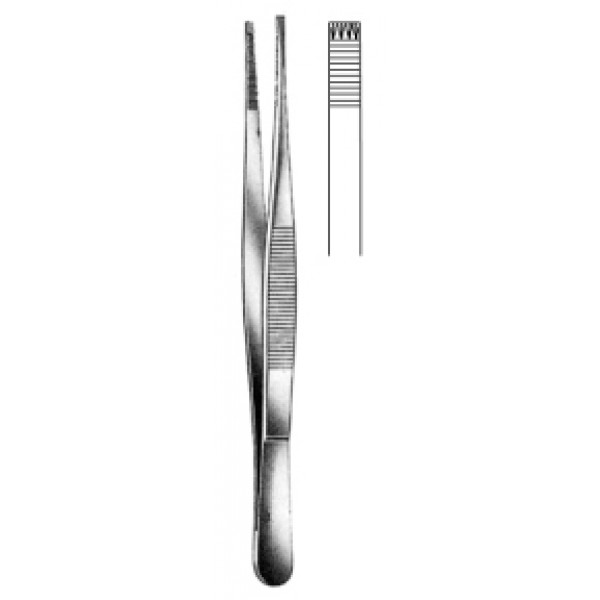
Forceps are one of the most basic tools in any surgical or clinical setting, but "forceps" covers a wide range of designs built for very different jobs. Dressing forceps and tissue forceps look similar at a glance — both are typically long, hinged instruments used for grasping — but the difference i..
0
72
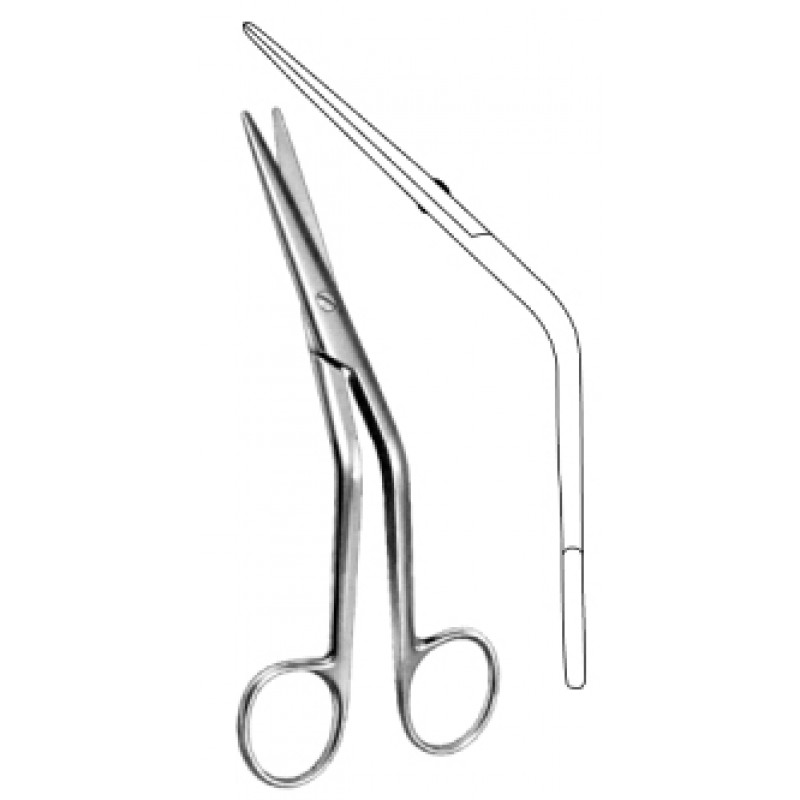
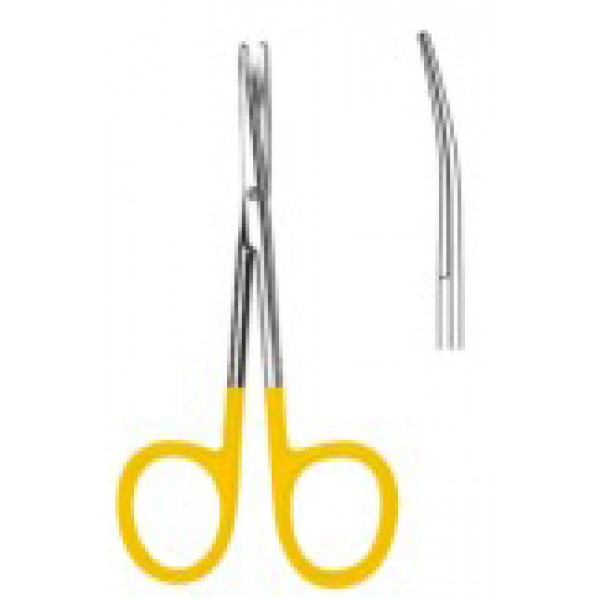
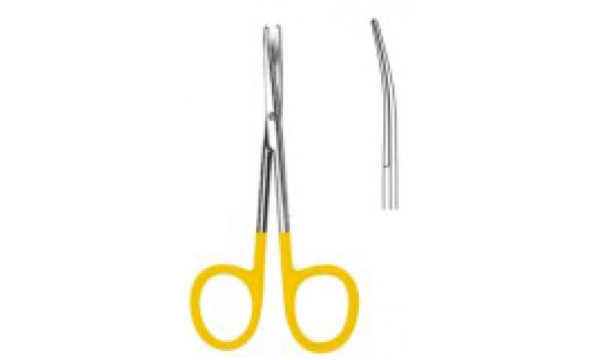
Surgical scissors look similar at a glance, but the differences between types matter a great deal in practice. Blade shape, tip design, and length are all matched to specific tasks — cutting sutures, dissecting soft tissue, or working in tight, delicate spaces. Using the wrong type isn't just ineffi..
0
75
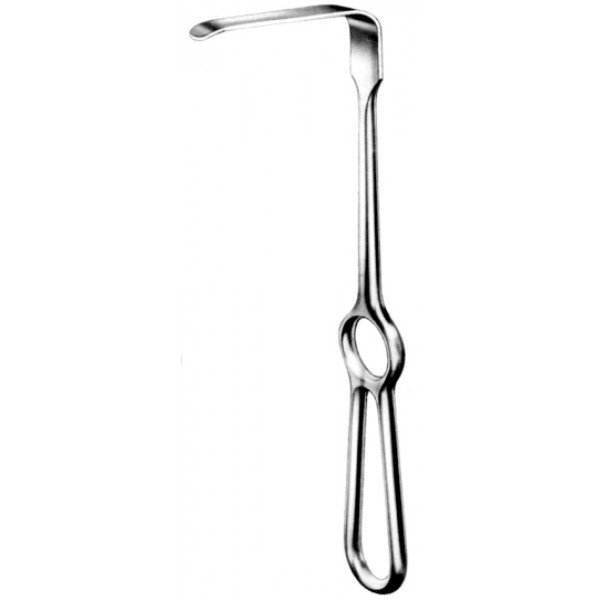
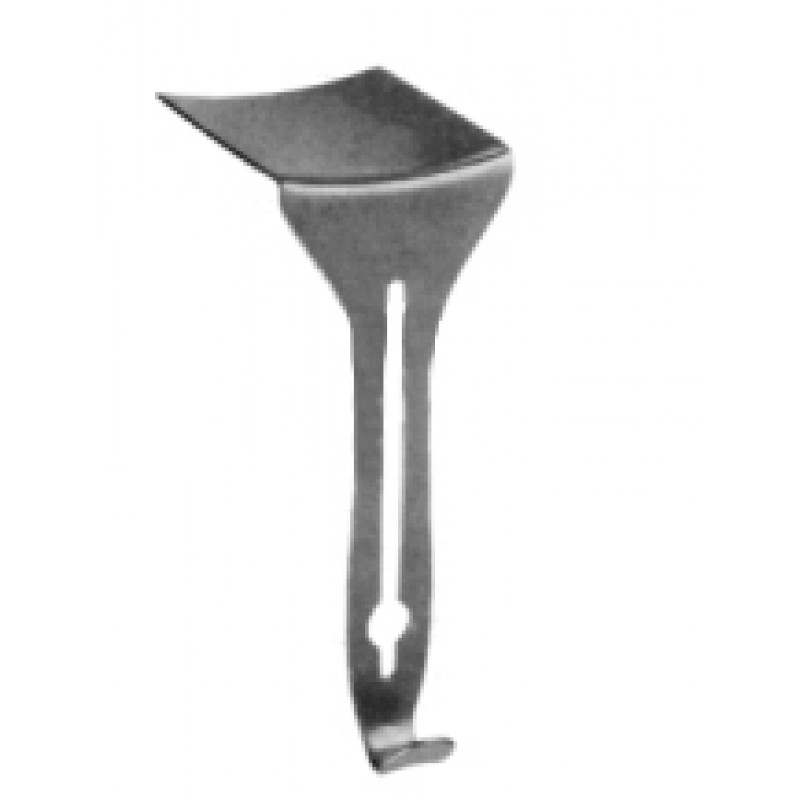
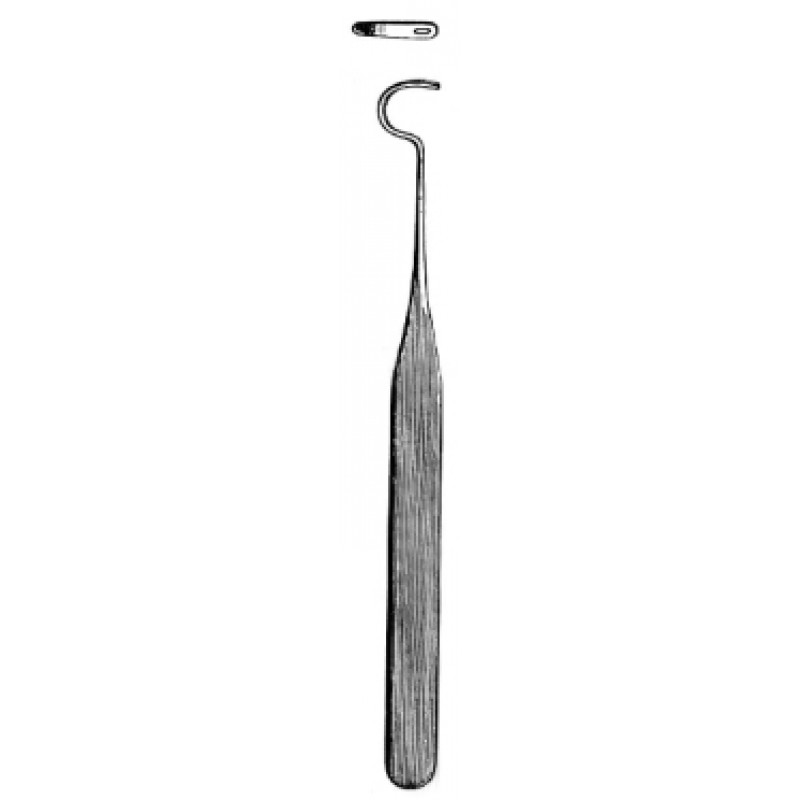
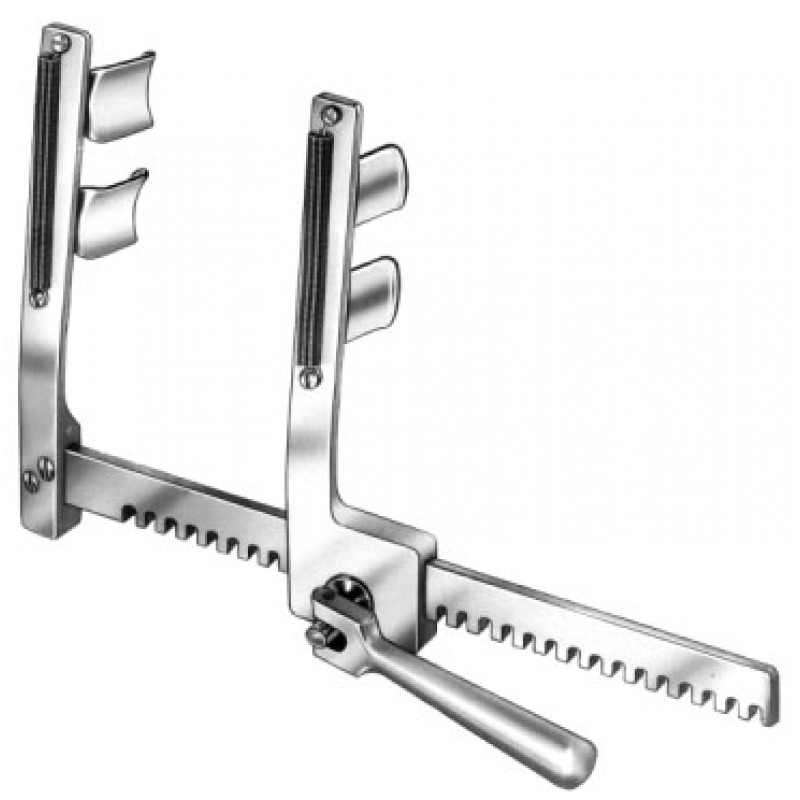
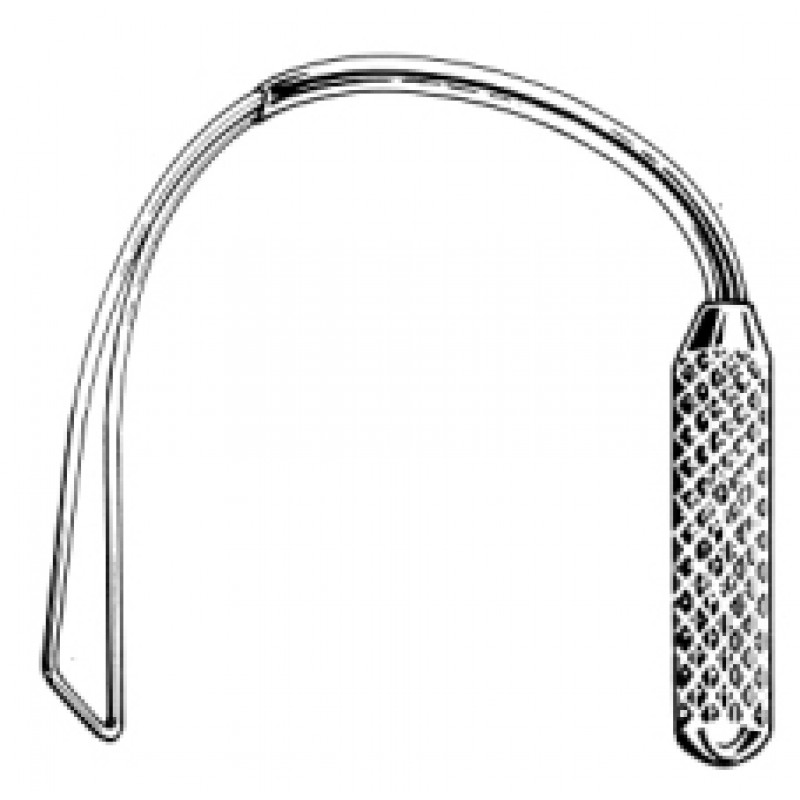
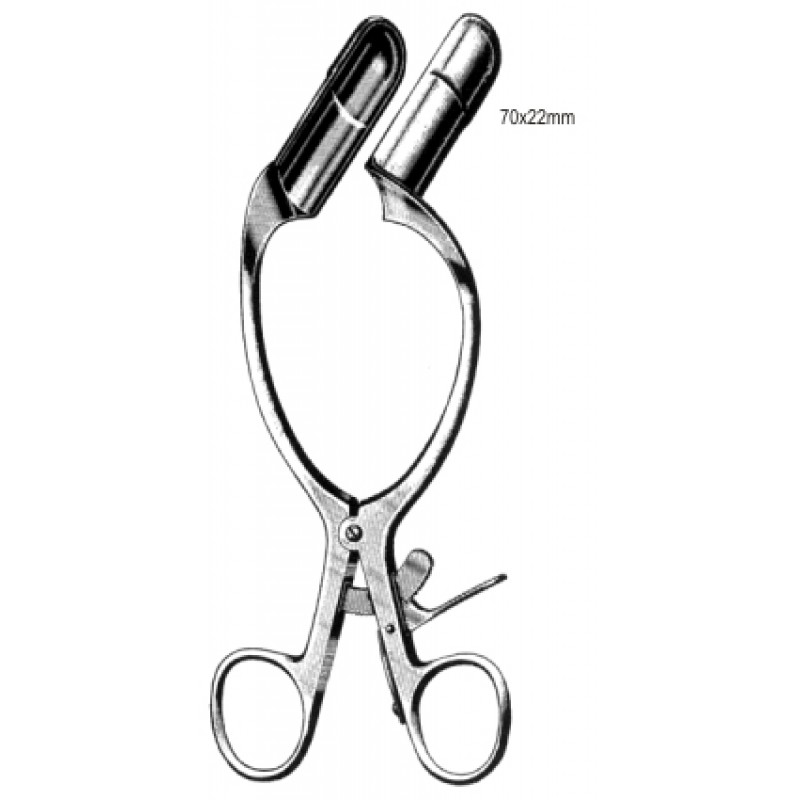
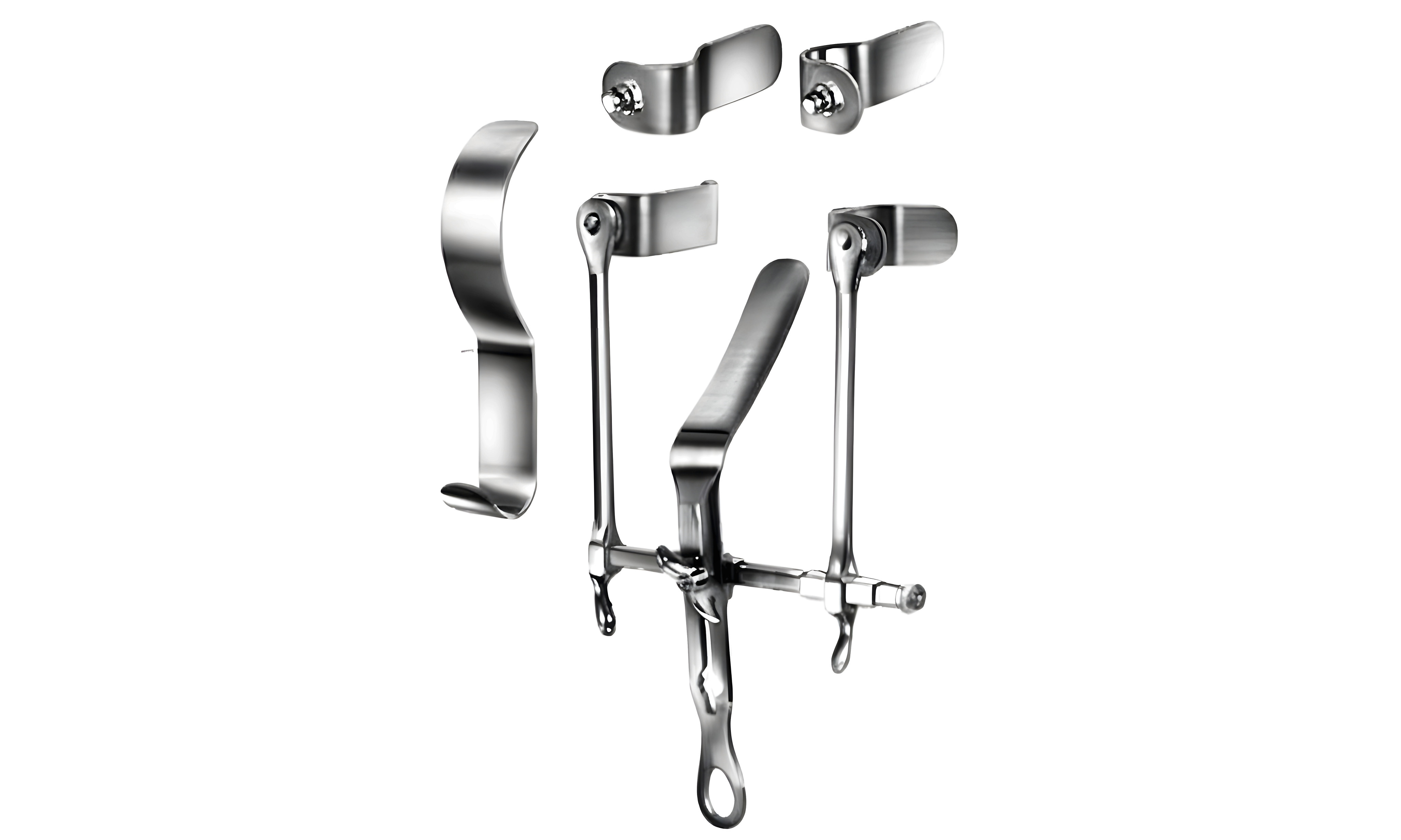
Retractors are among the most frequently used instruments in any operating room — and also among the most varied. From simple handheld retractors to self-retaining frames that hold tissue clear without an assistant, the right retractor depends entirely on the procedure, the surgical site, and how th..

0
74
Sourcing orthopedic surgical instruments is not the same as sourcing general medical supplies. Bone surgery places unique demands on an instrument — cutting through dense tissue, withstanding repeated sterilization, and holding precise tolerances case after case. For procurement teams and surgical s..
Showing 1 to 6 of 6 (1 Pages)