
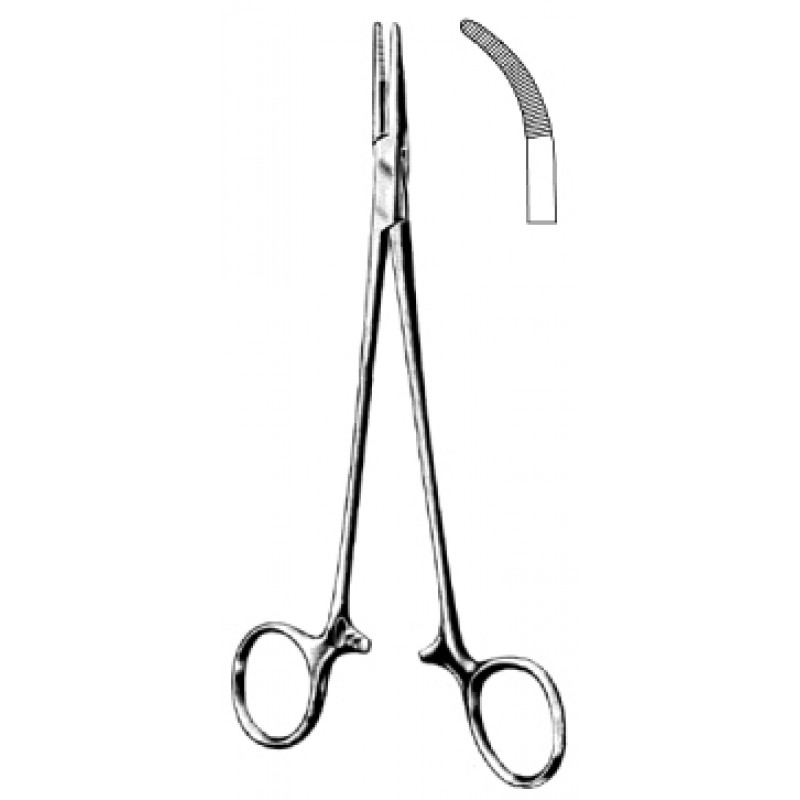
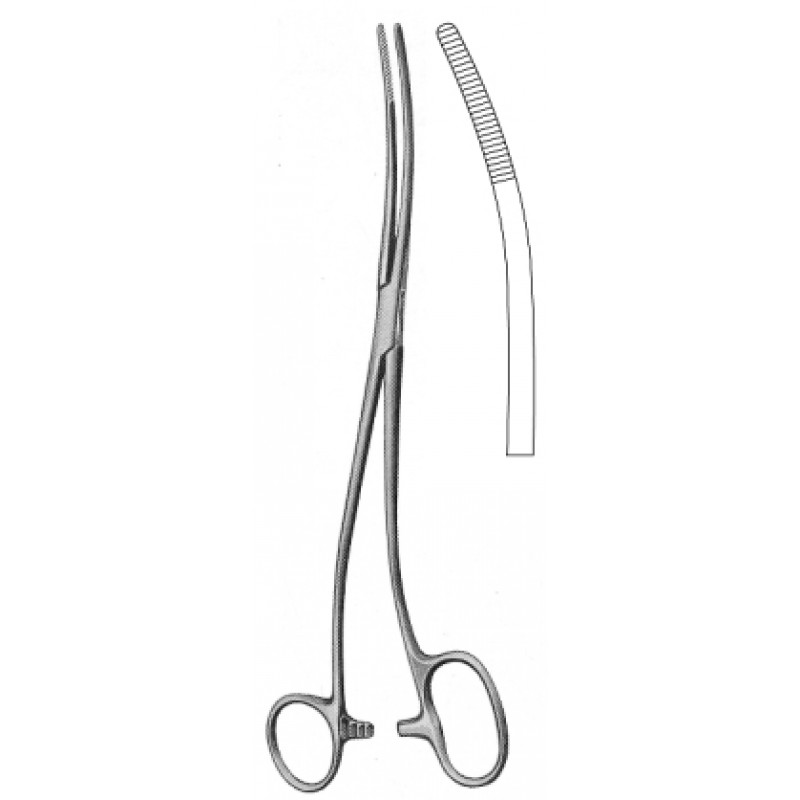
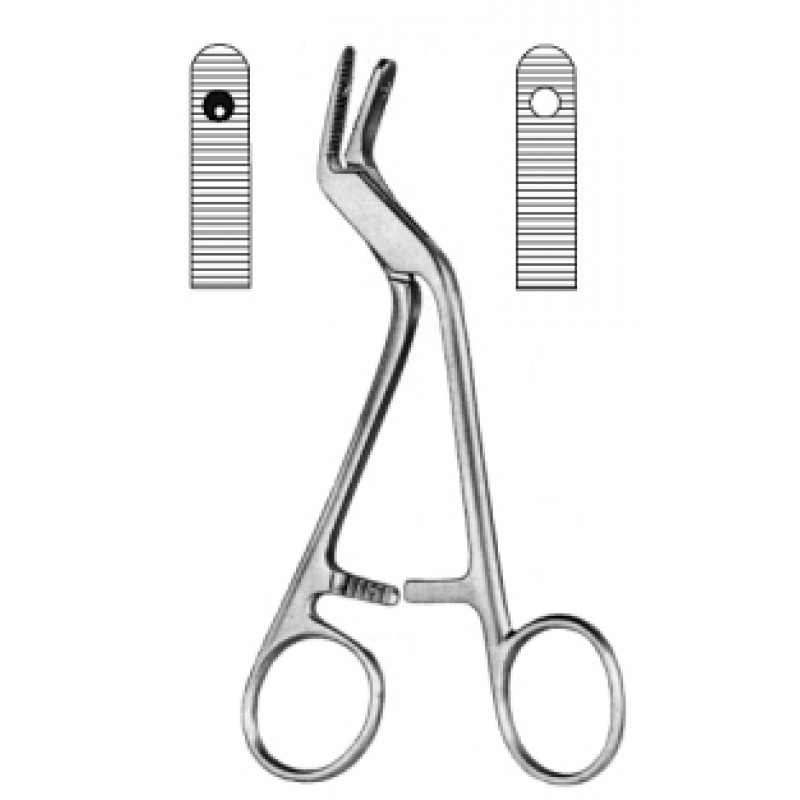


Artery forceps — often called hemostats or hemostatic clamps — are among the most frequently used instruments in any operating room. Their job is simple in concept: clamp down on a blood vessel to stop bleeding, or hold tissue steady during a procedure. But the range of jaw designs, curves, and sizes available means choosing the right type matters as much as the instrument's basic function.
This guide covers the most common types of artery forceps, what distinguishes them, and what to look for when sourcing them in bulk.
What Artery Forceps Are Used For
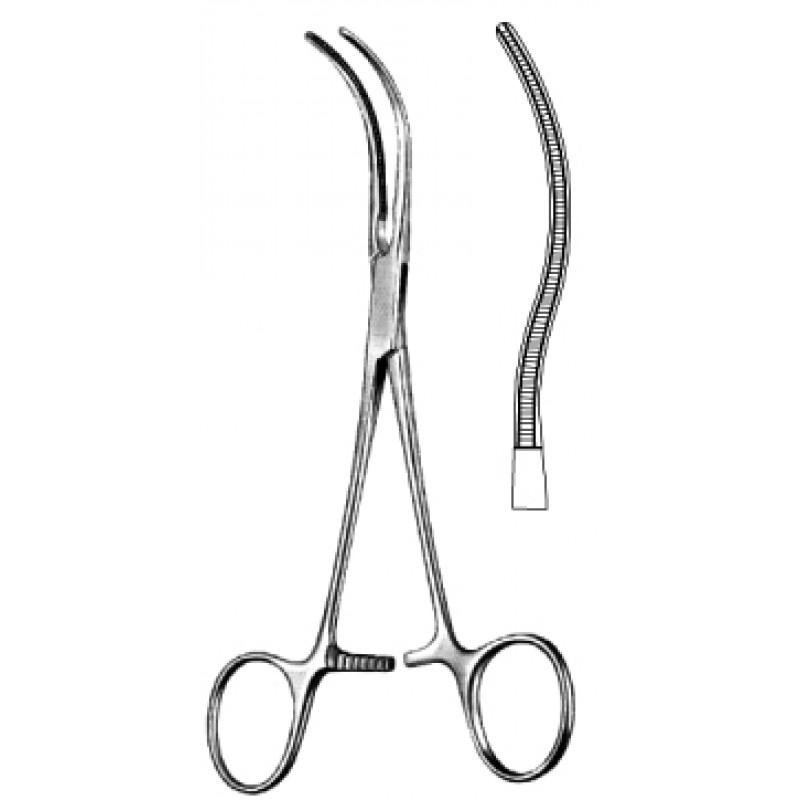
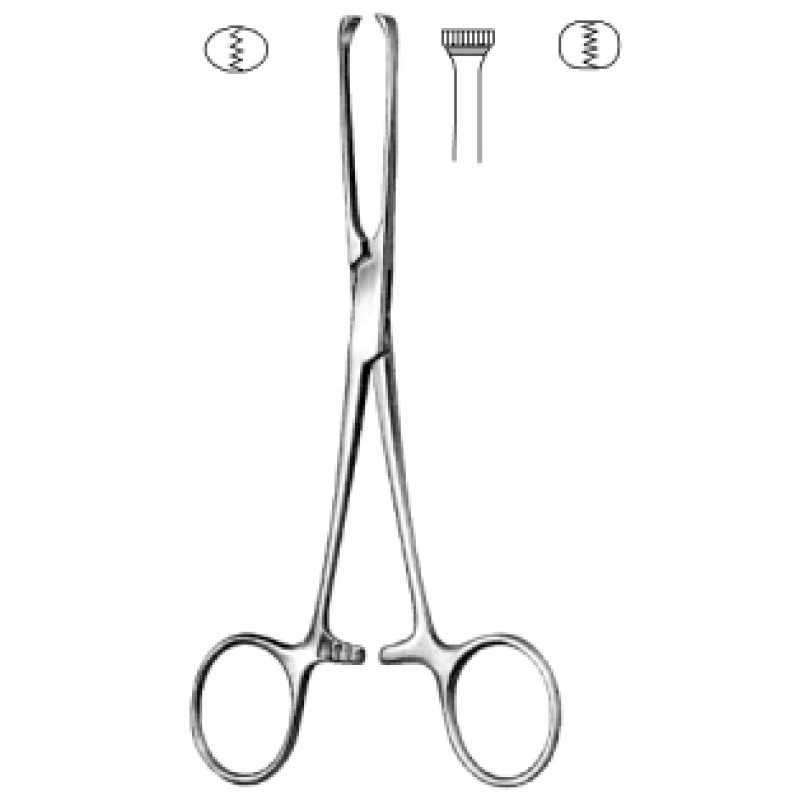
Artery forceps use a ratcheted, locking handle to hold a consistent grip without the user having to maintain hand pressure. This makes them useful for:
- Clamping blood vessels to control bleeding during surgery
- Holding tissue or other structures steady during dissection
- Clamping tubing or drains in a clinical setting
The locking ratchet is what separates artery forceps from most other grasping instruments — once clamped, they stay clamped until released, freeing up the surgeon's hands.
Common Types of Artery Forceps
Within the broader category, several standard designs cover most clinical needs:
- Kelly forceps — serrated jaws, available straight or curved, a general-purpose choice for clamping vessels and tissue
- Crile forceps — similar to Kelly forceps but with serrations running the full length of the jaw, for a firmer grip on larger tissue
- Mosquito forceps — a smaller, finer-tipped version used for delicate work on small vessels, common in pediatric and plastic surgery
- Kocher forceps — jaws with interlocking teeth at the tip, providing a stronger hold on tougher tissue where slipping is a concern
Straight versions are generally used for surface-level work, while curved versions allow better access around structures in deeper or more confined spaces.
What to Look for When Sourcing Artery Forceps
Jaw serration and tip design. The serration pattern determines how securely the forceps grip without crushing tissue more than necessary — this should be consistent and precisely manufactured across every unit in an order.
Ratchet quality. The locking mechanism needs to hold firmly through repeated use and sterilization cycles without loosening over time.
Range of sizes and curves. Most departments need a mix of straight and curved, and multiple lengths, across several forceps types — a supplier who can cover that range in one order simplifies procurement.
Material quality. Surgical-grade stainless steel that withstands repeated autoclave sterilization without pitting, discoloration, or a dulling ratchet is the standard to confirm.
Regulatory sourcing. As with any surgical instrument, it's reasonable to confirm that a wholesale supplier's forceps are manufactured by FDA-registered facilities.
Common Questions to Ask a Wholesale Supplier
- Are your artery forceps manufactured by FDA-registered facilities?
- What range of types and sizes do you carry (Kelly, Crile, Mosquito, Kocher, straight and curved)?
- What grade of stainless steel is used, and how is the ratchet mechanism quality-checked?
- What's the typical lead time for bulk or repeat orders?
- Is there a manufacturer's warranty, and what does it cover?
Sourcing Artery Forceps from Noval Medical
Noval Medical distributes a full range of artery forceps and hemostatic clamps, sourced from FDA-registered manufacturers, to hospitals, clinics, and distributors across North America.


Leave a Comment