
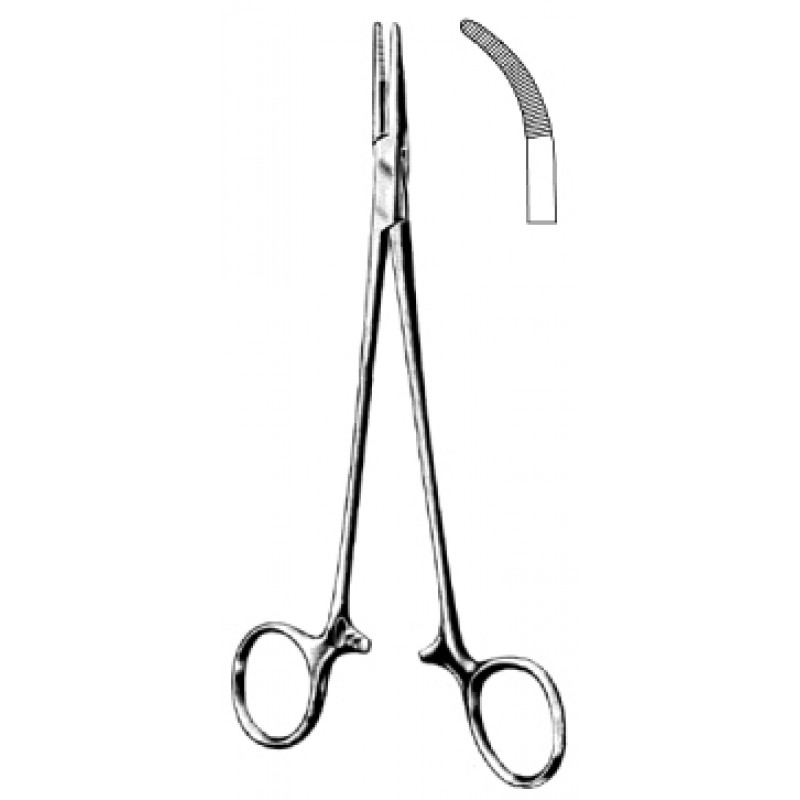
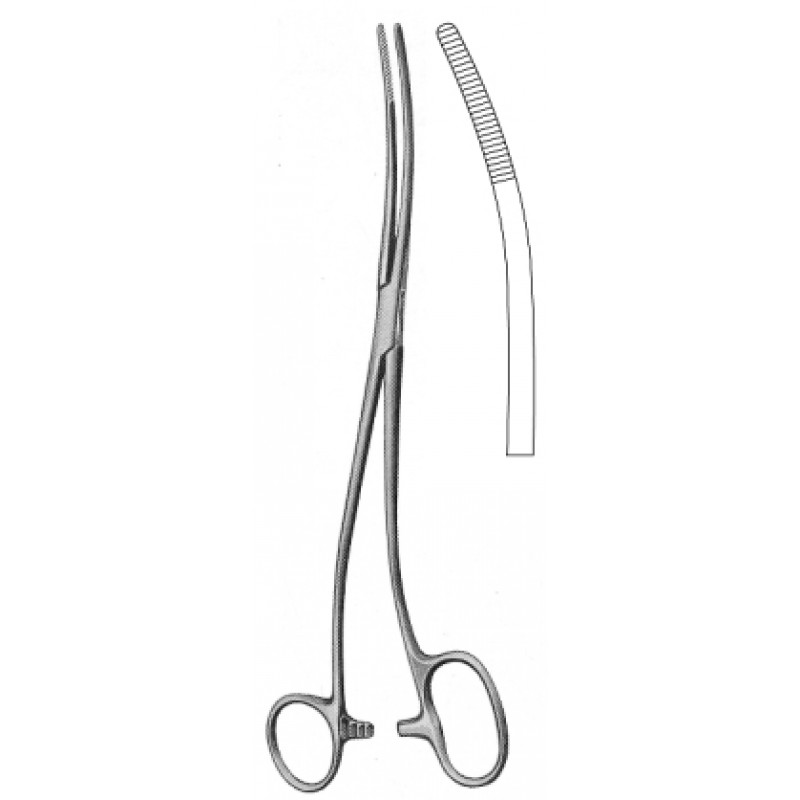
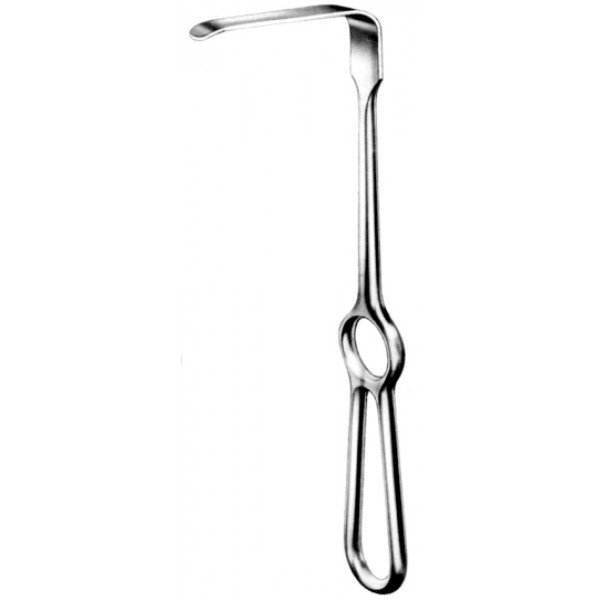
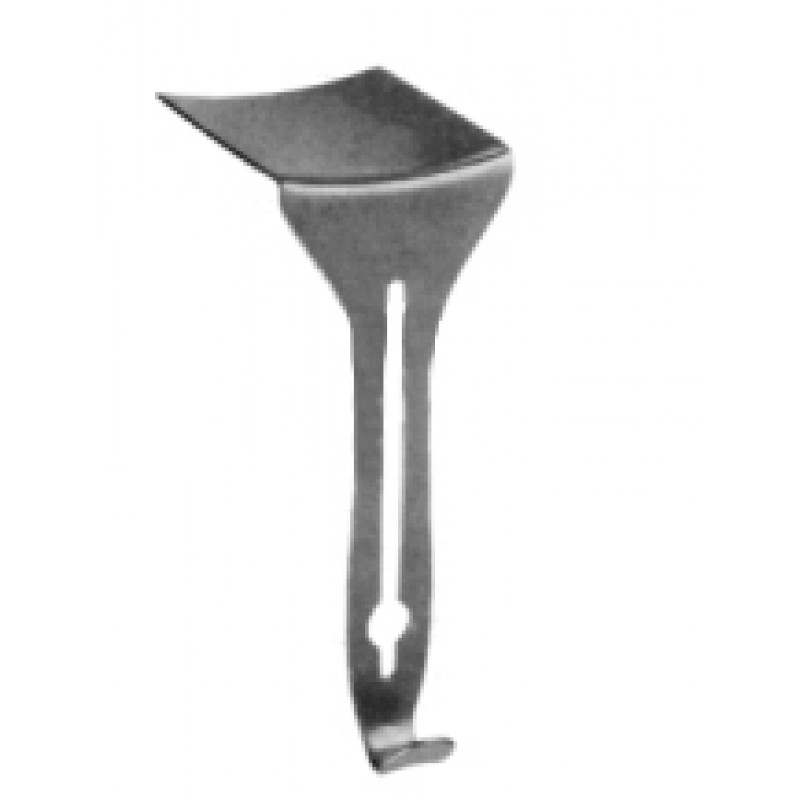
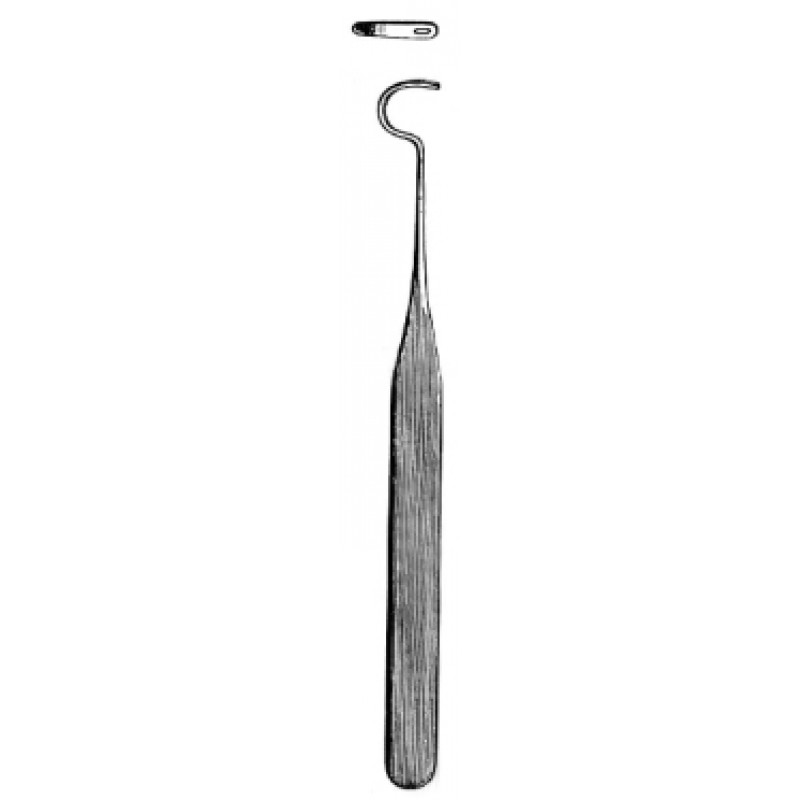
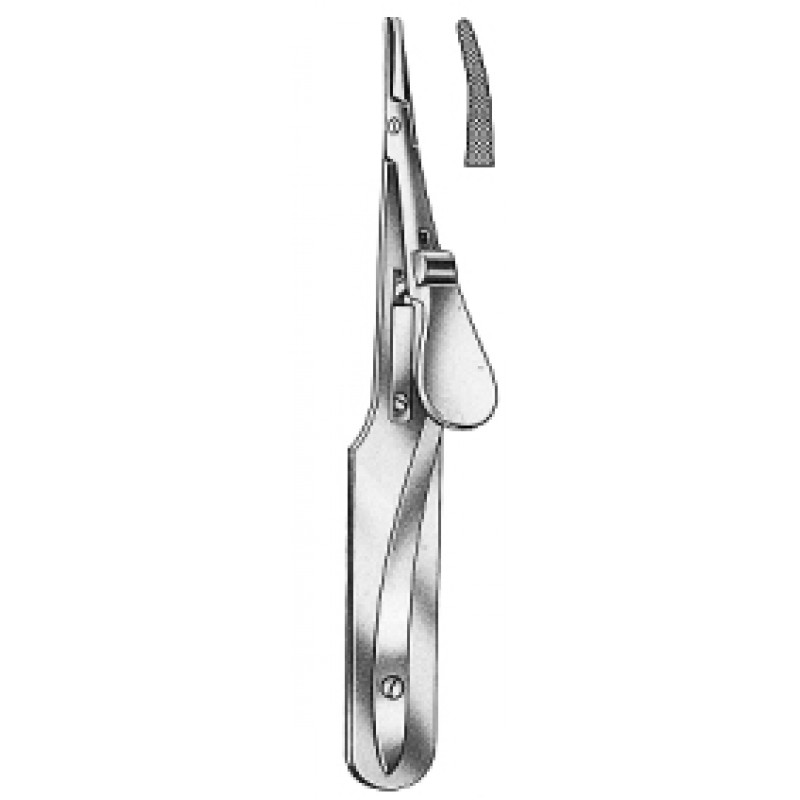
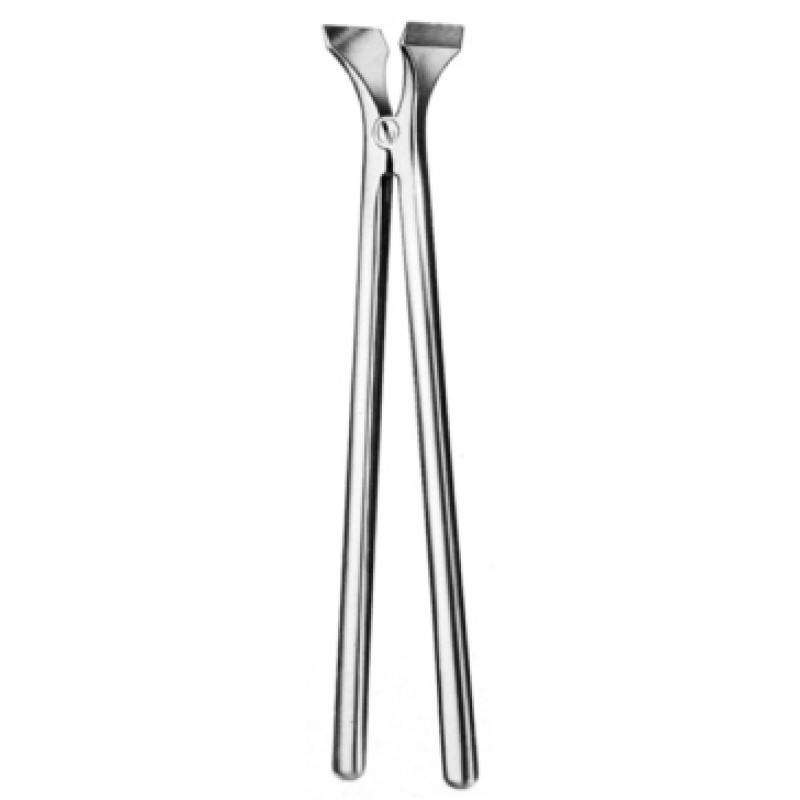
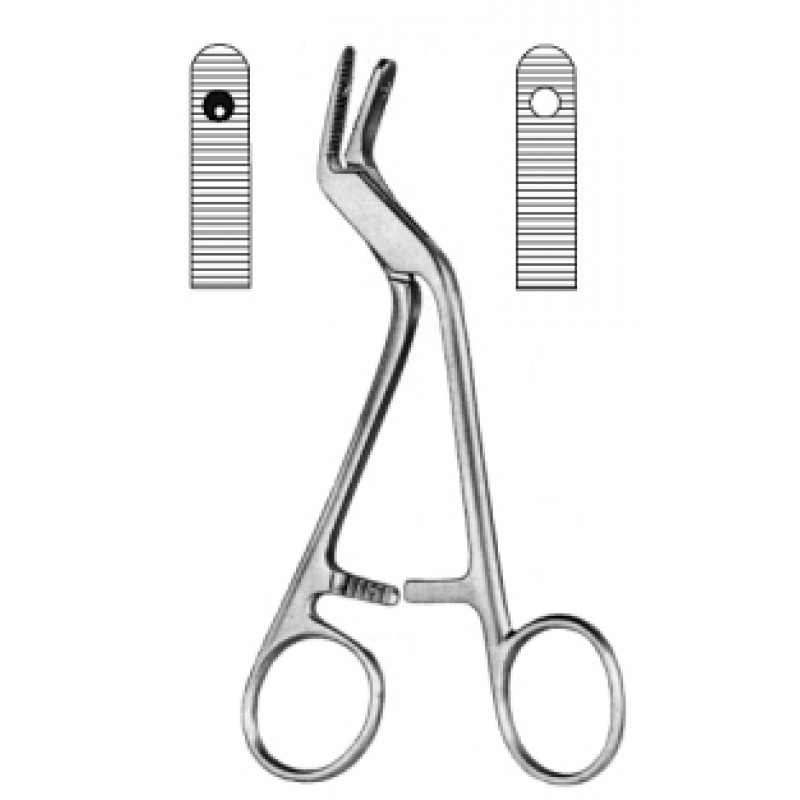
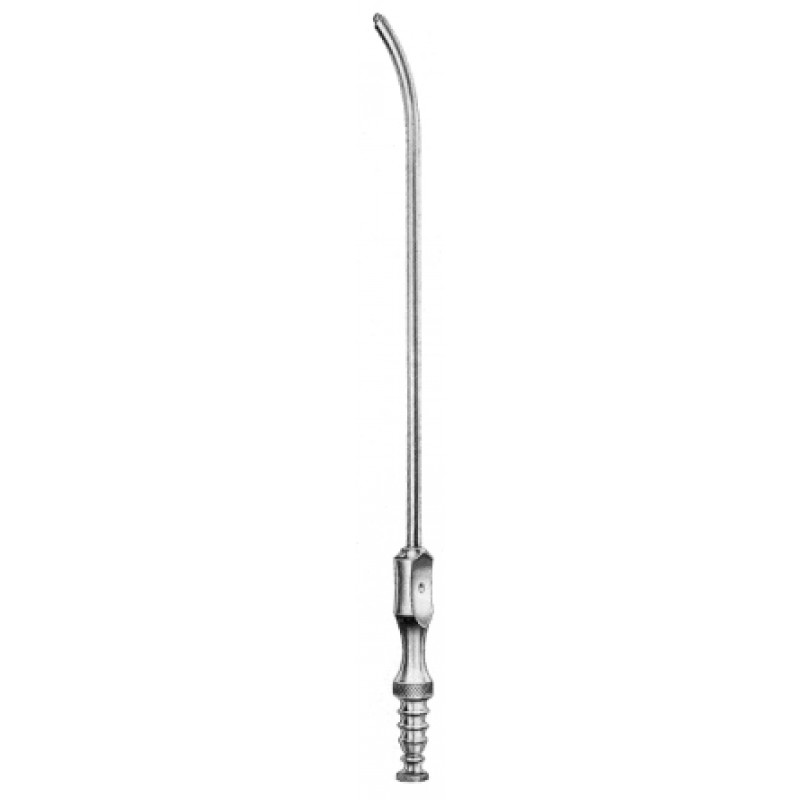


Forceps are one of the most basic tools in any surgical or clinical setting, but "forceps" covers a wide range of designs built for very different jobs. Dressing forceps and tissue forceps look similar at a glance — both are typically long, hinged instruments used for grasping — but the difference in tip design changes what each is actually suited for.
This guide explains the distinction, common variations within each category, and what to consider when sourcing them in bulk.
Dressing Forceps: Built for Non-Traumatic Handling
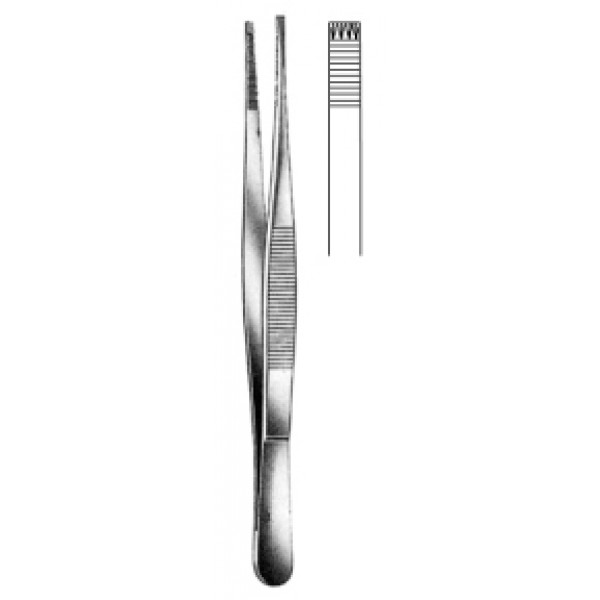
Dressing forceps have smooth, serrated, or grooved tips without teeth, designed to grip dressings, gauze, or other soft materials without piercing or damaging them. They're commonly used for:
- Applying or removing wound dressings
- Handling sterile gauze or cotton during a procedure
- Cleaning or packing wounds
Because they're designed not to puncture, dressing forceps are generally unsuitable for firmly grasping tissue — they can slip under tension where a toothed instrument would hold securely.
Tissue Forceps: Built for Secure Grasp
Tissue forceps, by contrast, typically have teeth or fine serrations at the tip specifically designed to grip tissue firmly during surgical manipulation. Common variations include:
- Adson forceps — fine-tipped, often used in delicate procedures like plastic surgery or neurosurgery
- DeBakey forceps — atraumatic ridged tips designed for handling vascular tissue with minimal crush injury
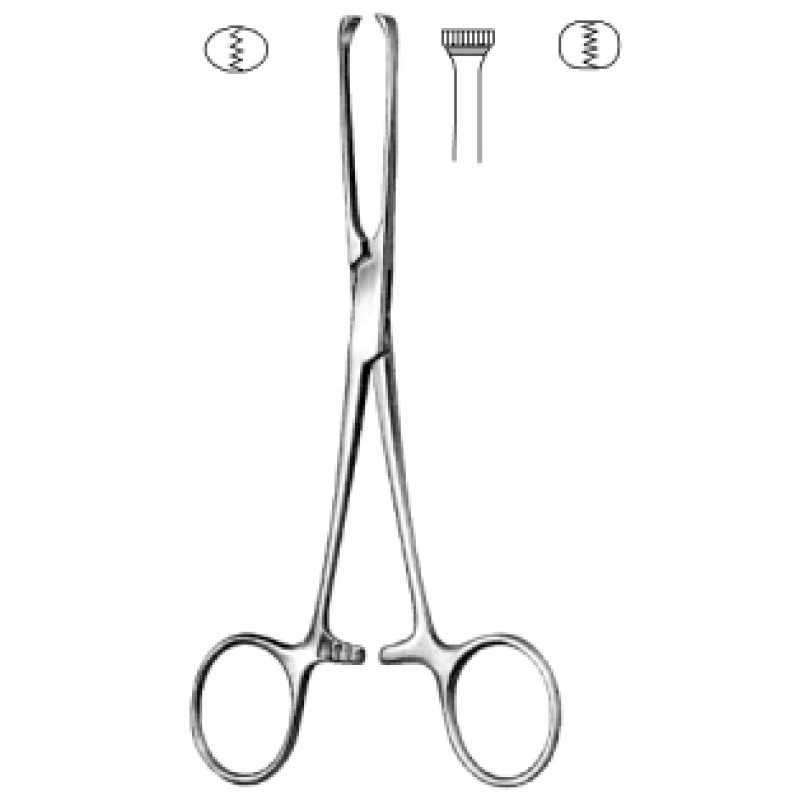
- Allis forceps — multiple interlocking teeth for a firm grip on tougher tissue, commonly used in general surgery
- Babcock forceps — rounded, non-crushing tips suited to handling delicate structures like bowel or fallopian tubes
The right tissue forceps for a given procedure depends heavily on how delicate the tissue is and how much grip strength is needed without causing damage.
What to Look for When Sourcing Forceps
Tip precision. Whether it's the atraumatic ridges on a DeBakey forceps or the fine teeth on an Adson, the tip geometry needs to be manufactured precisely and consistently — small variations can affect grip and increase the risk of tissue trauma.
Range across both categories. Most surgical departments need a mix of dressing and tissue forceps in various types. A supplier who can reliably provide both categories, in the specific variations your team uses, simplifies procurement versus sourcing from multiple vendors.
Material quality. Surgical-grade stainless steel that holds up to repeated autoclave sterilization without pitting or dulling is standard — worth confirming with any new supplier.
Regulatory sourcing. As with any surgical instrument, it's reasonable to confirm that a wholesale supplier's forceps are manufactured by FDA-registered facilities.
Common Questions to Ask a Wholesale Supplier
- Are your forceps manufactured by FDA-registered facilities?
- Can you supply both dressing and tissue forceps, across common variations (Adson, DeBakey, Allis, Babcock)?
- What grade of stainless steel is used, and how is tip precision quality-checked?
- What's the typical lead time for bulk or repeat orders?
- Is there a manufacturer's warranty, and what does it cover?
Sourcing Dressing & Tissue Forceps from Noval Medical
Noval Medical distributes a full range of dressing and tissue forceps, sourced from FDA-registered manufacturers, to hospitals, clinics, and distributors across North America.


Leave a Comment