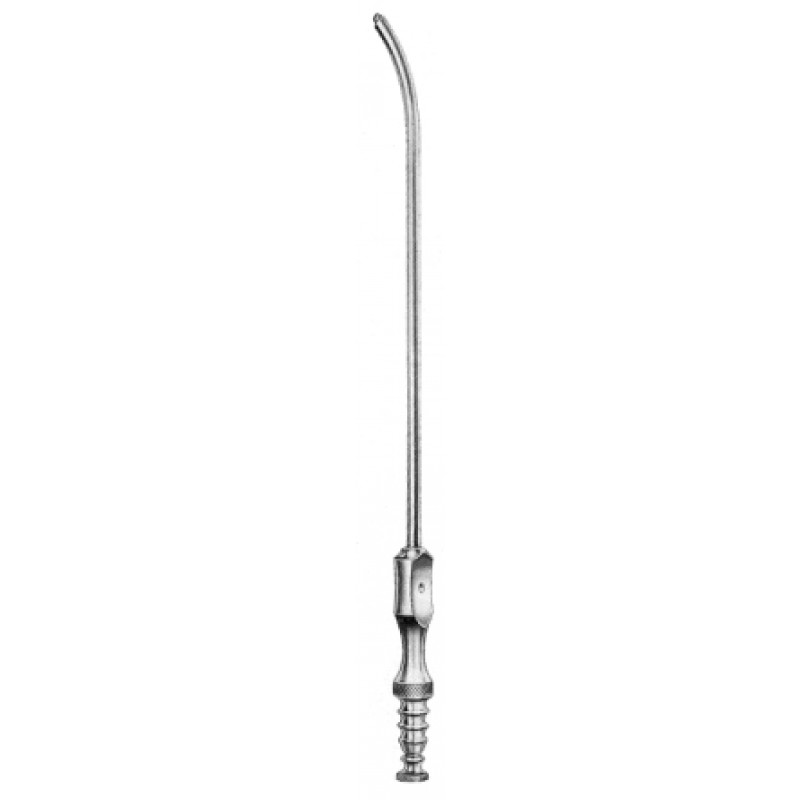

Regarding your questions on why staining, pitting or rusting can develop in stainless steel Instruments; there are some basic points for the care and handling of surgical instruments which will extend the life of the instrument, eliminate staining or corrosion and lower the cost of use
- Instruments should be rinsed as soon as possible after use to remove blood, serum and saline. Do not use a sponge basin as any residue from normal saline solution it can cause corrosion to develop over a period of time
- Instruments should be thoroughly dried after cleaning and before wrapping or storing, as moisture left in the box lock or serrations can cause rust or corrosion to develop
- Do not leave instruments in a cold sterilization soak solution for extended periods as these solutions tend to be corrosive, after cold sterilization, rinse the instruments in distilled or demineralized water and dry thoroughly)
- If using cold sterilization technique, change the solution according to directions as prolonged use will cause the solution to become corrosive
- Do not use caustic cleaners or any other cleaner except those specified for cleaning surgical instruments
- Do not clean instruments with steel wool or scouring powder, or use PH detergents. If cleaning by hand, use a specific instrument cleaner or a natural detergent soap and a soft brush (rinse with demineralized or distilled water)
- Check your autoclave. Iron, sodium, calcium, magnesium or copper in your water can cause spotting, staining or corrosion to occur. In hard water areas, clean the line deposits from your autoclave, install a steam filter if possible. It will remove most of dirt rust and pipe scale
- Make sure your wraps are rinsed sufficiently ( 6 to 8 times ) by the laundry to remove all chlorine bleach as any residue can cause staining or corrosion during autoclaving
- Do not leave instruments in the following solutions for extended periods of time as corrosion can result:
- Aluminum, Barium, Calcium, Ferrous or stannous chloride solutions
- Phenol, Lysol or Lodine
- Dakin's Solution or Zephirin
- Any acid, Mercury or potassium solution
10. Do not sterilize stainless steel instruments with chrome plated instruments if possible, as any break in the surface of the chrome plate will allow an electrolytic action develop between the dissimilar metals, causing pitting and/or a rusty appearance to develop
11. Preheat instruments in autoclave before allowing steam to enter, if possible, to prevent an excessive amount of condensation forming on the surface of the instruments
12. Don't open the autoclave too quickly after the sterilization cycles as excessive condensation will develop on the surface of the instruments (crack the clave to allow drying before opening fully)