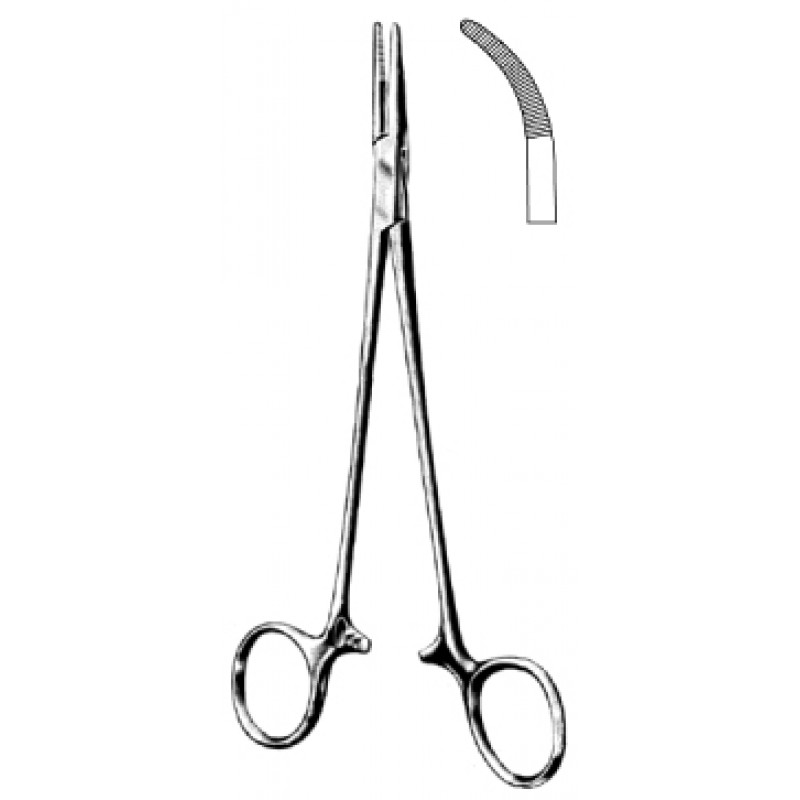
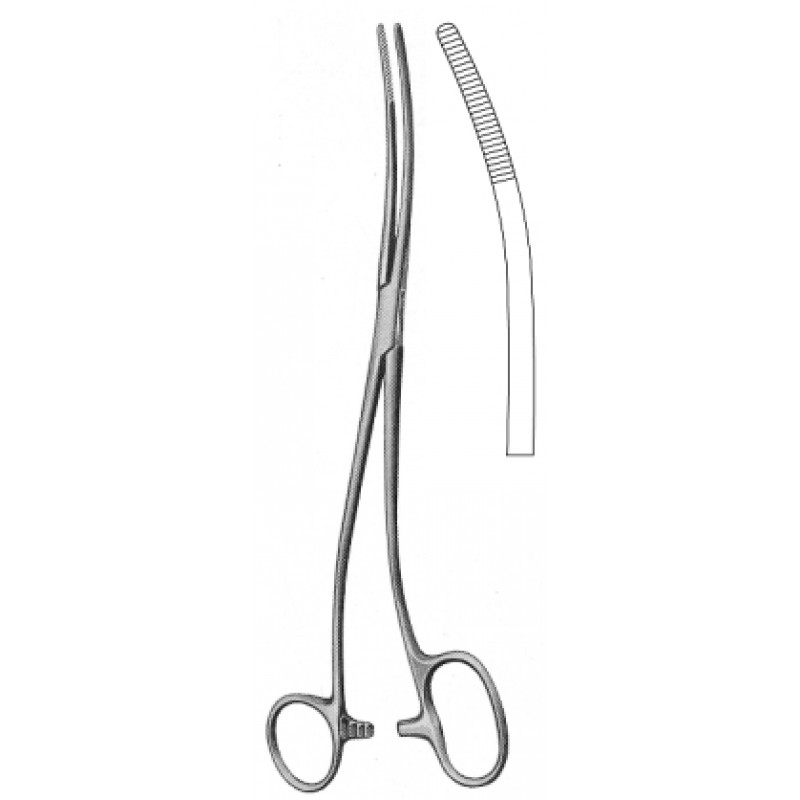
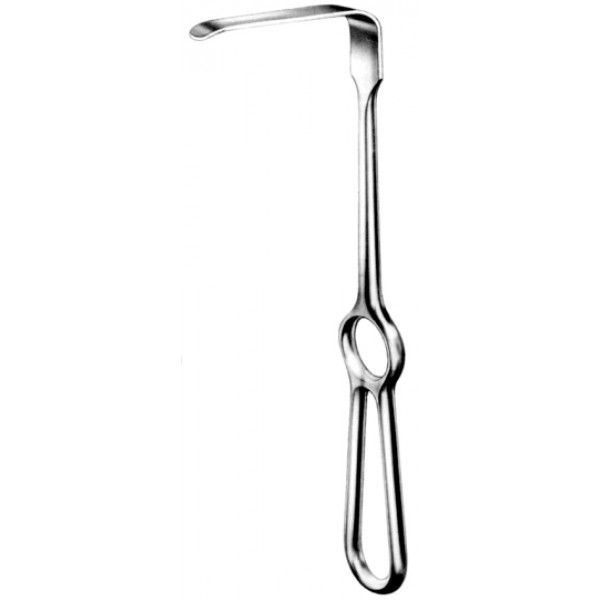
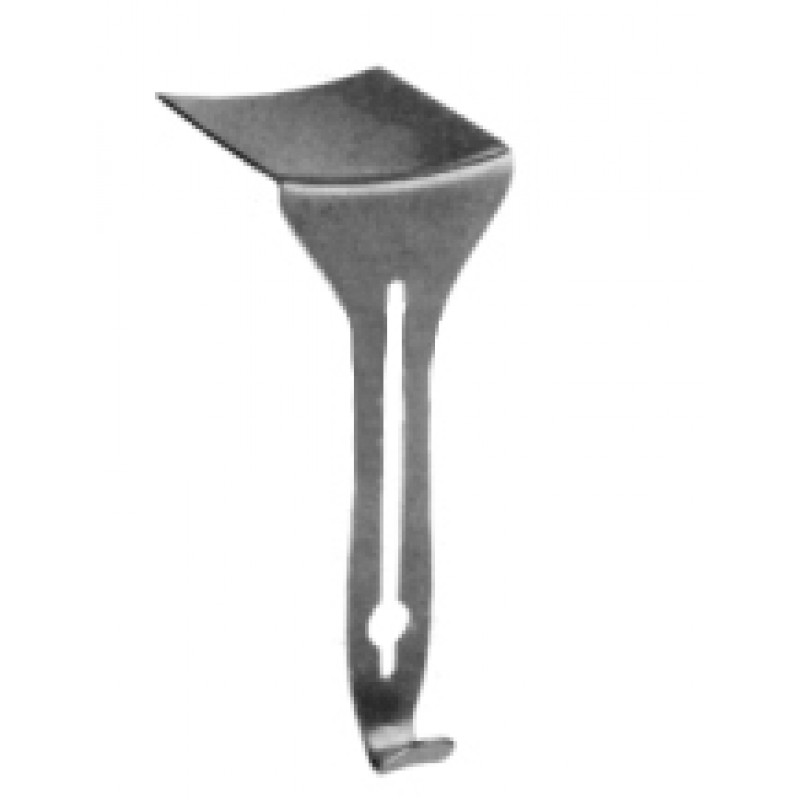
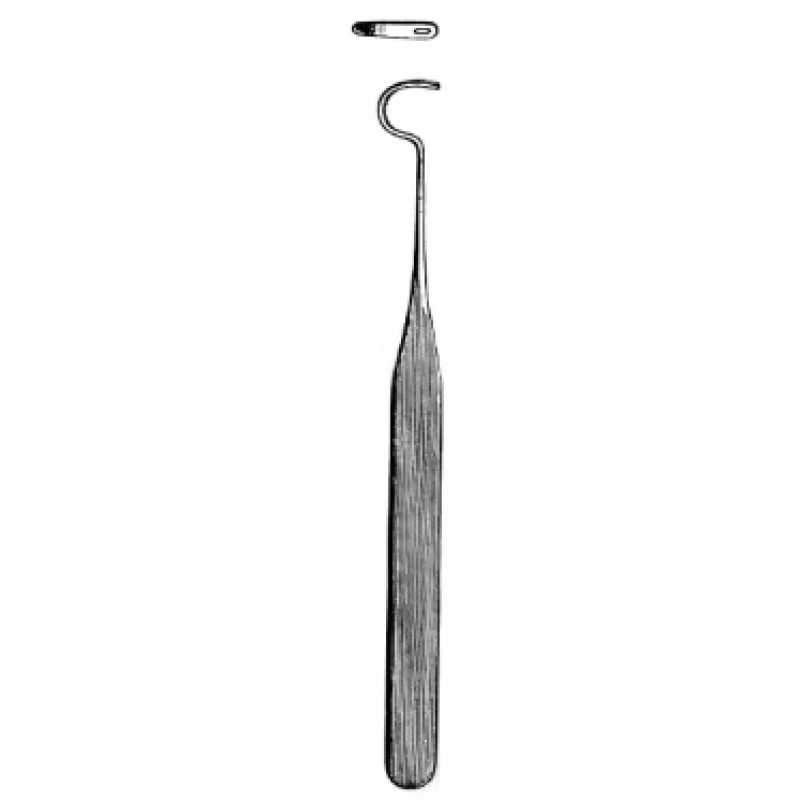
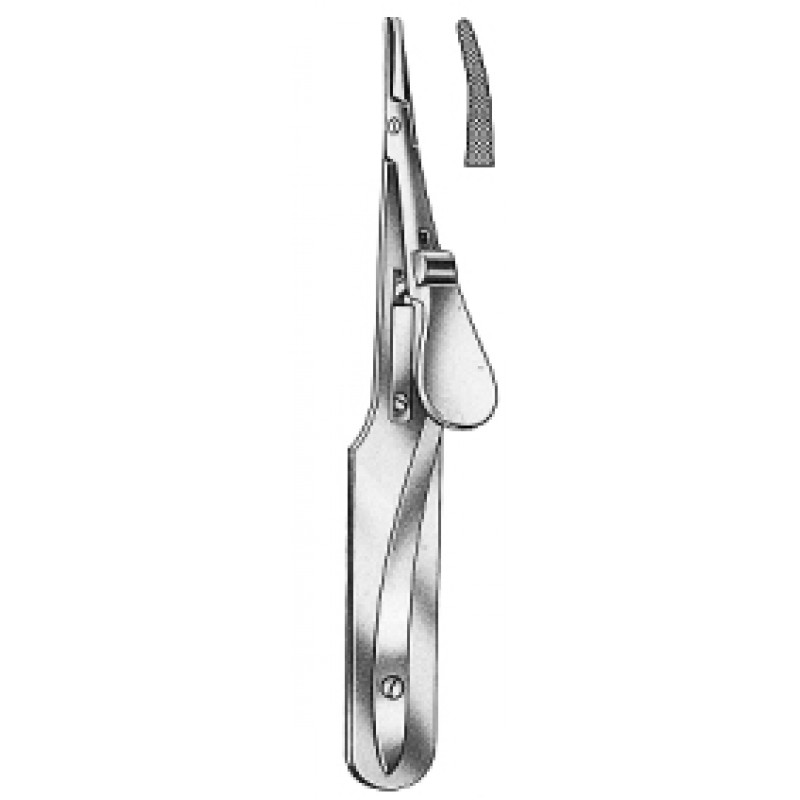
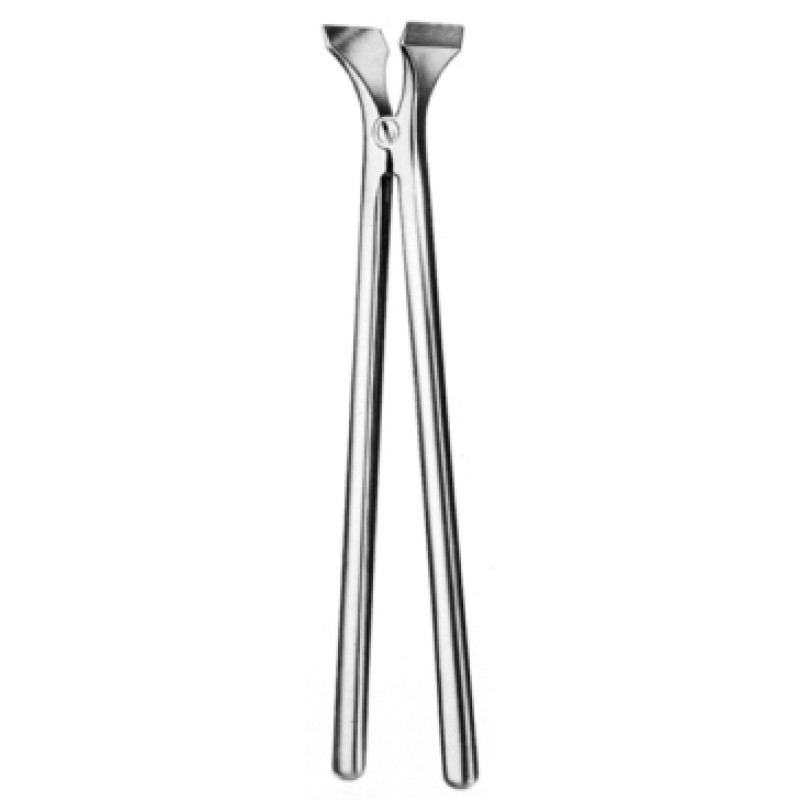
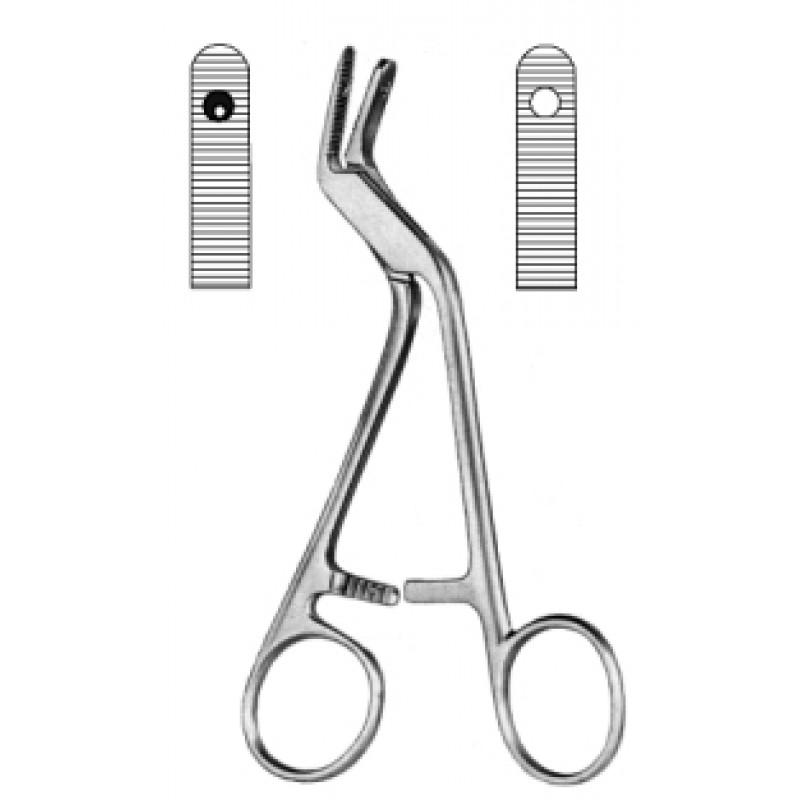

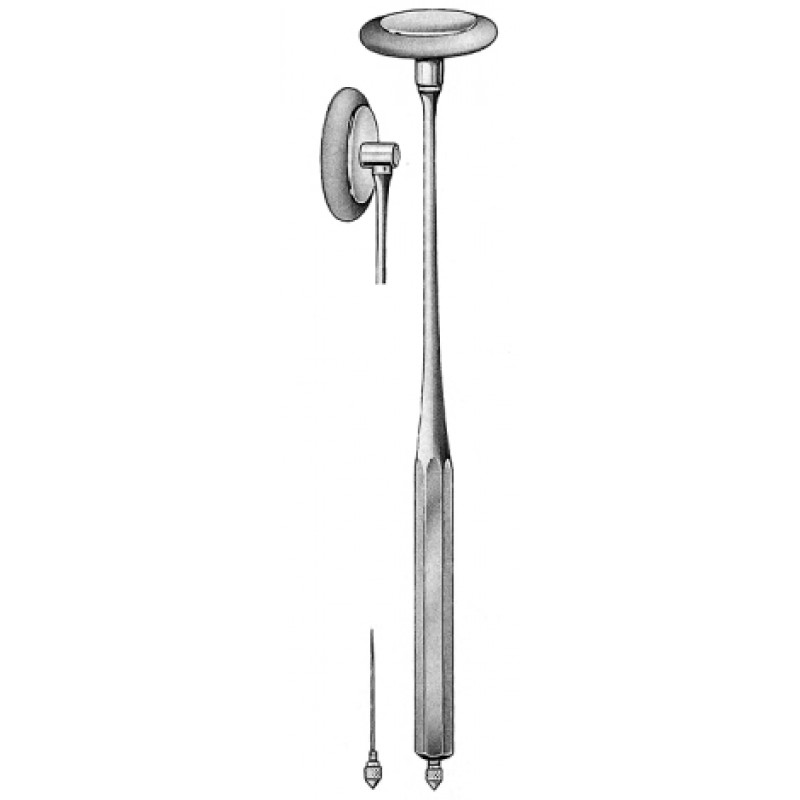
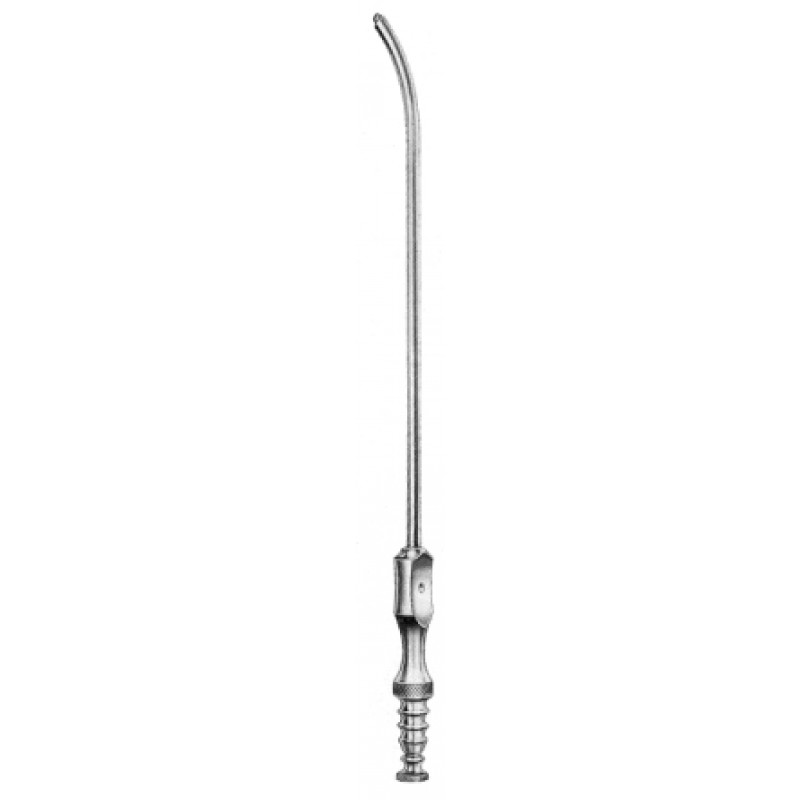

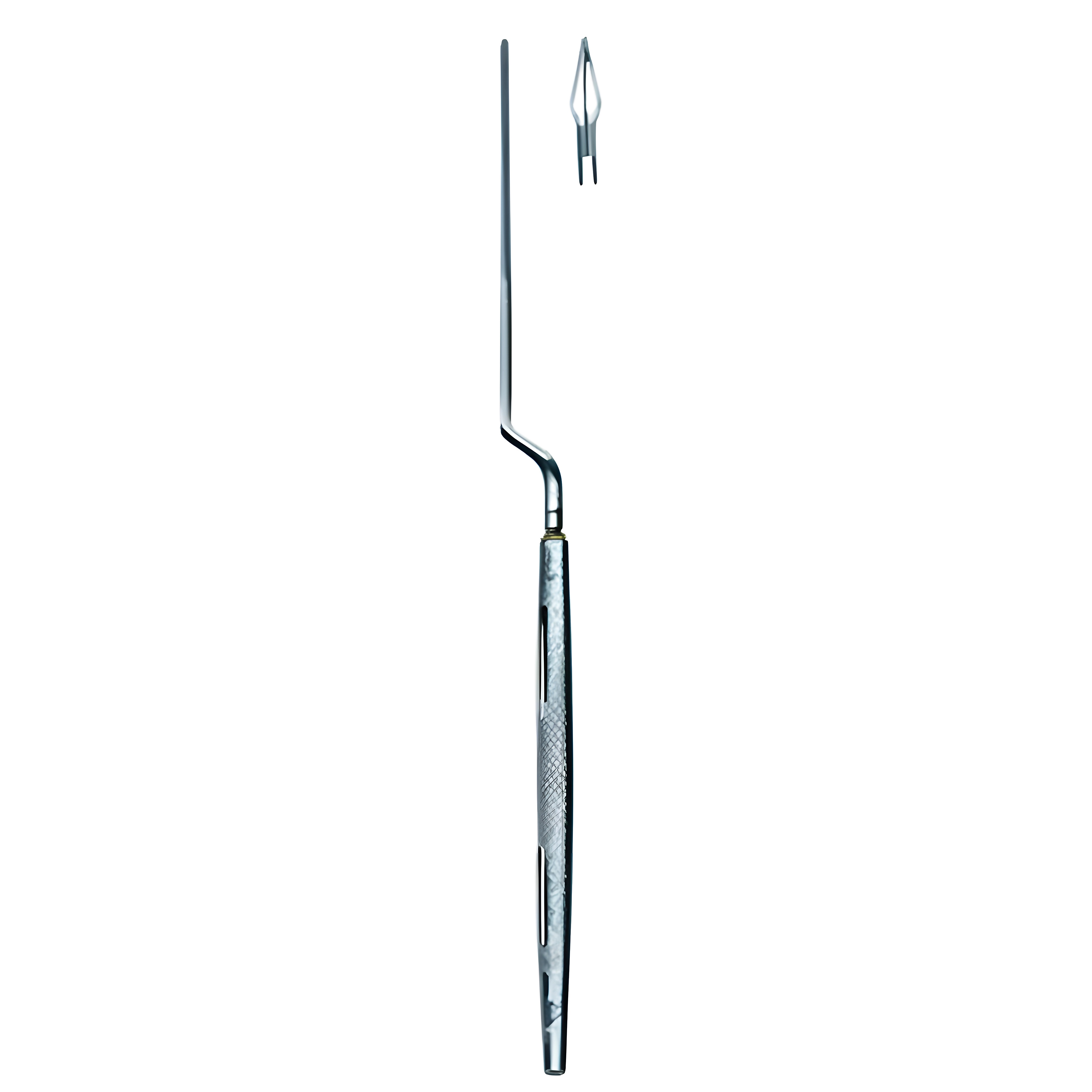
Model: 44.0432.18
Clinical Application
Designed to provide a controlled puncture and access channel for aspiration or decompression, this paracentesis needle is used when precise, low-trauma entry into fluid-filled spaces is required. Typical applications include controlled aspiration of serous fluid collections, min..
$43.99
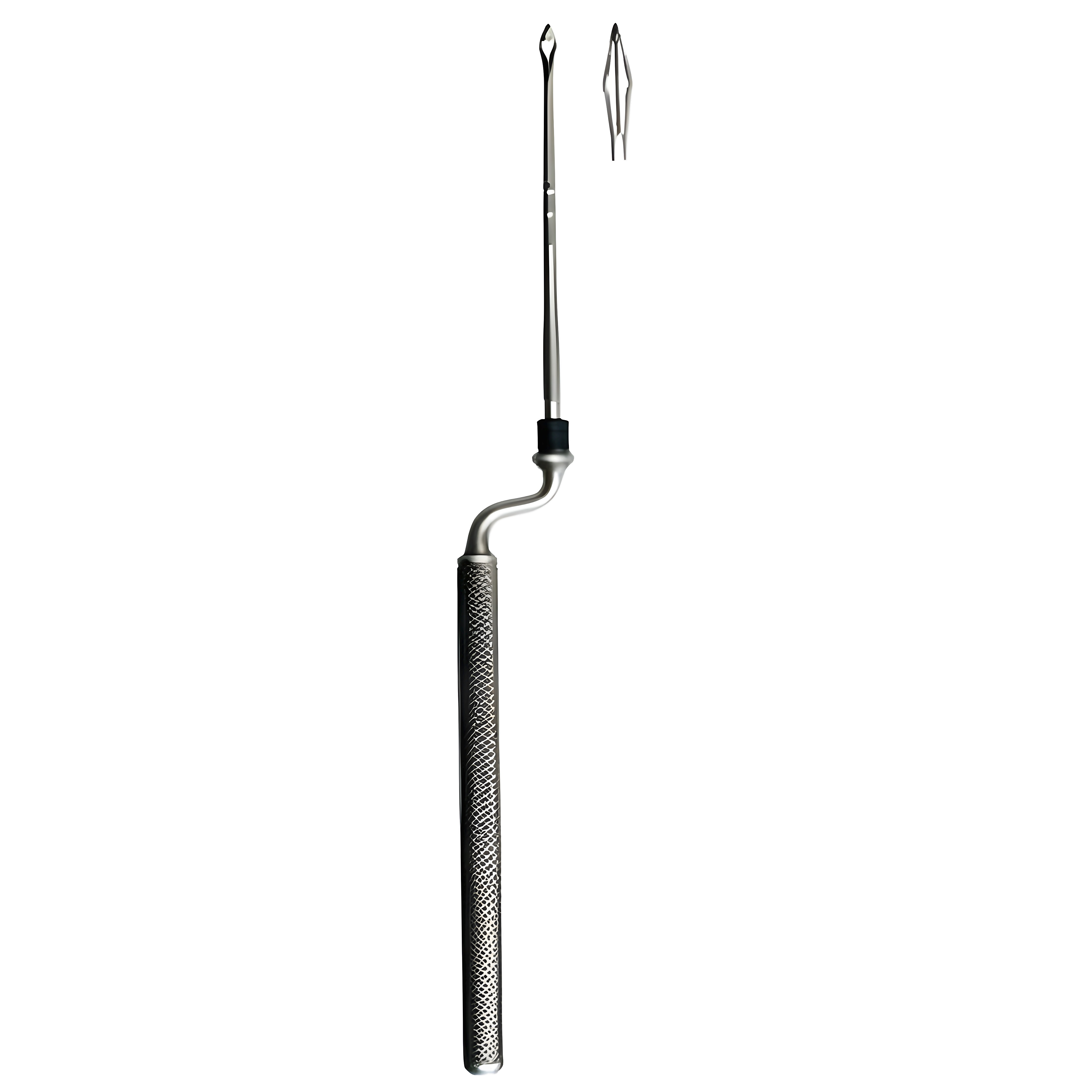
Model: 44.0440.20
Clinical Application
Designed for controlled anterior chamber entry and aspiration, this paracentesis needle is used by ophthalmic surgeons to decompress the anterior chamber, obtain small-volume aqueous samples, or facilitate maneuvers during cataract and other intraocular procedures. The fine beve..
$81.99
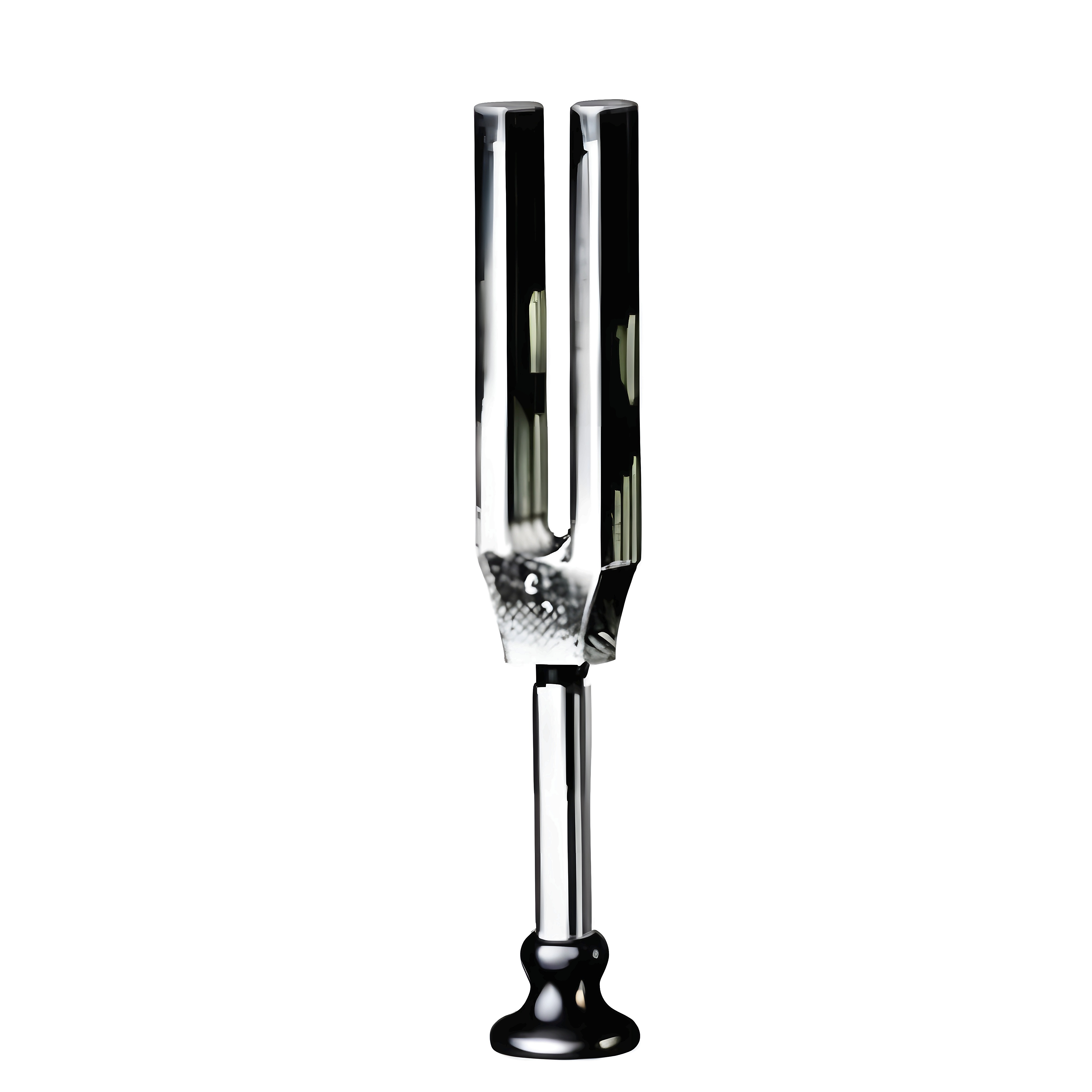
Model: 44.0650.04
Clinical Application
Used as a clinical diagnostic tool to evaluate bone-conducted hearing (commonly applied for Weber and Rinne testing) and to assess vibratory sensation during neurological examinations. Commonly employed in outpatient clinics, pre- and post-operative neurological assessments, oto..
$38.99
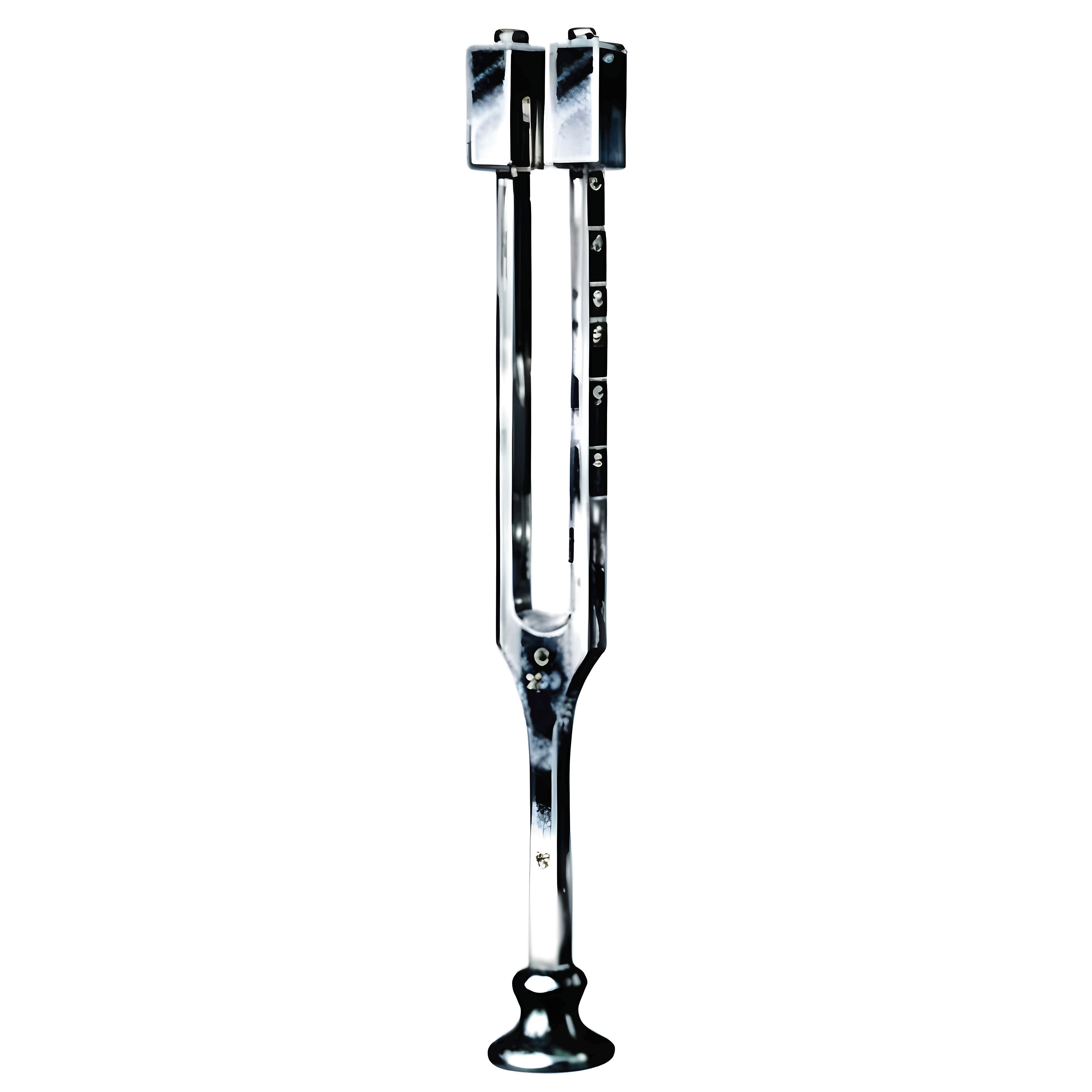
Model: 44.0640.10
Clinical Application
This 128 Hz tuning fork is intended for clinical assessment of vibratory sensation and proprioception at the bedside. The low-frequency tone produced by a 128 Hz fork is commonly used in neurologic examinations to evaluate large-fiber peripheral nerve function (for example, diab..
$38.99
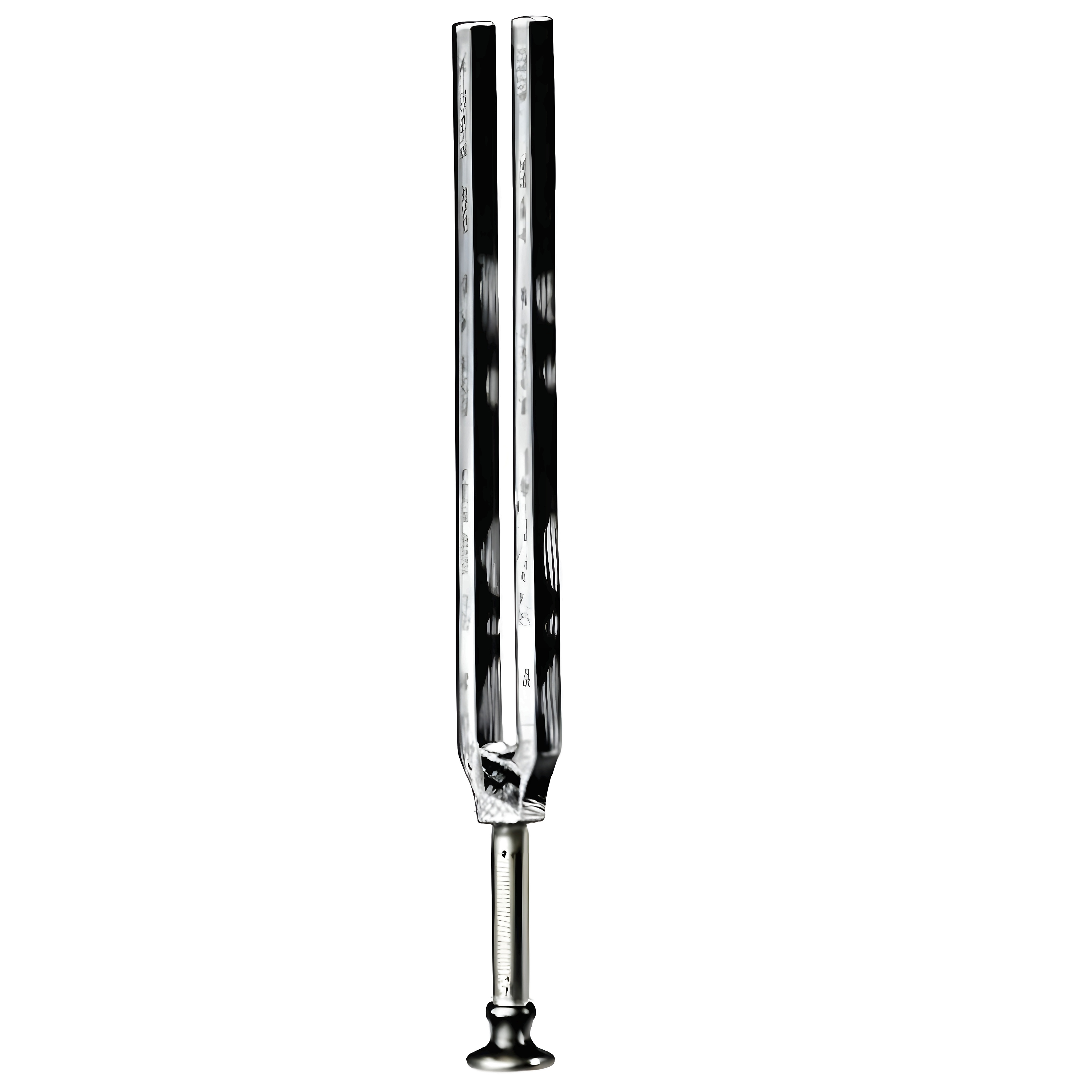
Model: 44.0650.01
Clinical Application
The C 128 tuning fork is designed for clinical assessment of low-frequency vibration and bone-conducted sound. It is commonly used for pallesthesia (vibratory sensation) testing in peripheral neuropathy and neurology exams and for general low-frequency bone conduction checks in ..
$38.99
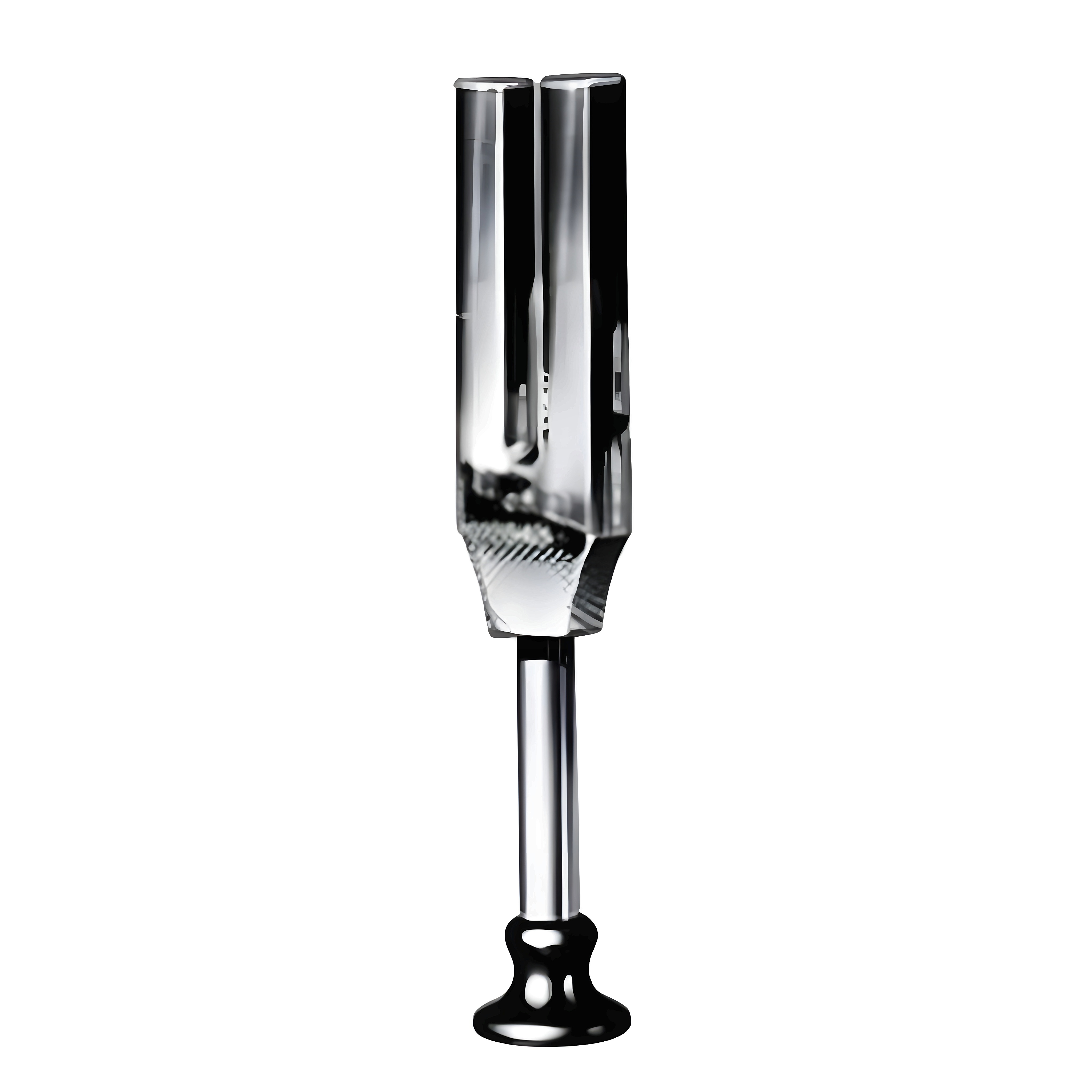
Model: 44.0650.05
Clinical Application
High-frequency tuning forks are used as simple, reliable tools for gross audiometric assessment and localization of bone-conducted sound. This 2048 Hz Lucae pattern is used in otology and audiology clinics for Weber and Rinne bedside tests, for quick pre‑ and post‑operative comp..
$38.99
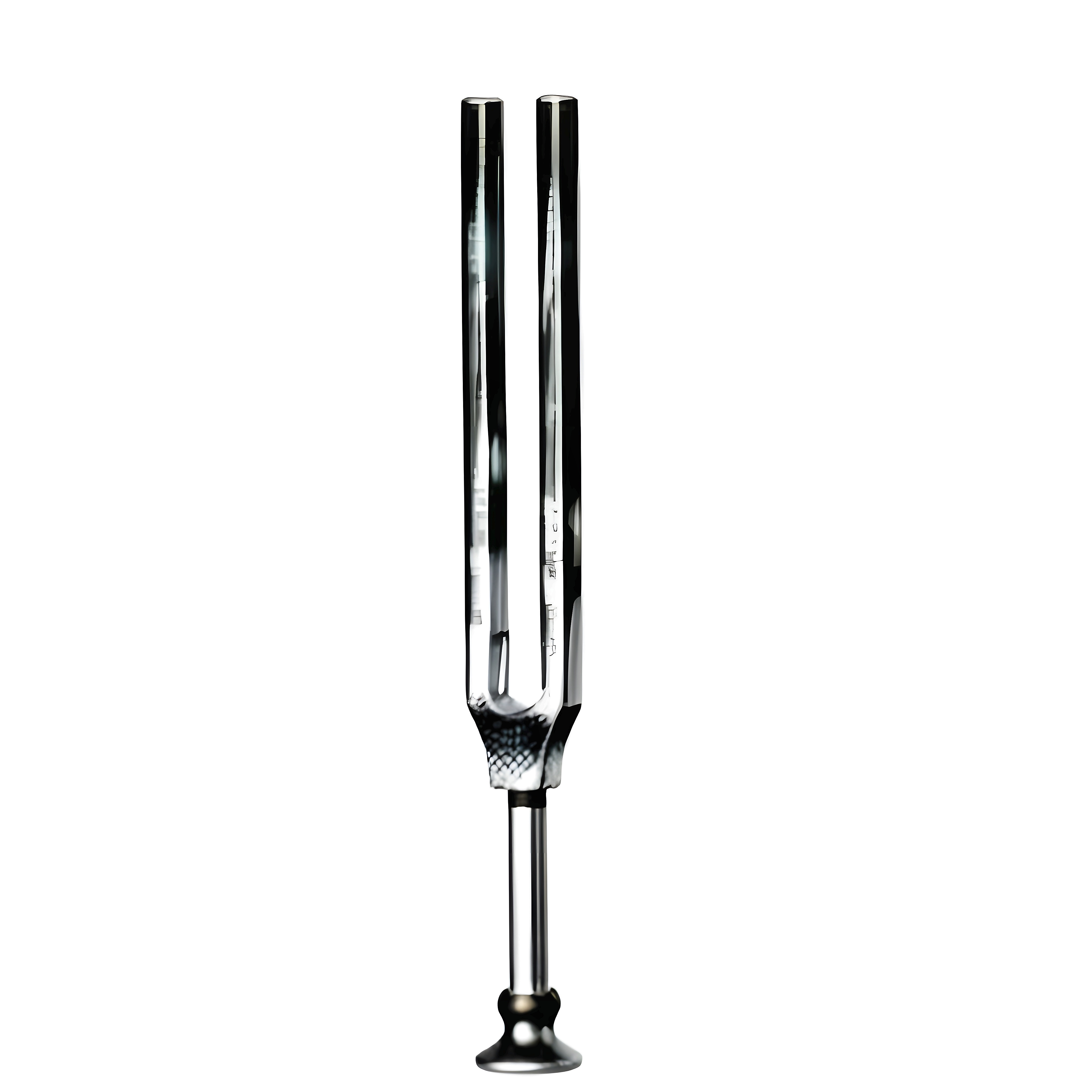
Model: 44.0650.02
Clinical Application
This diagnostic tuning fork is used in otology, audiology and neurology to evaluate bone conduction and vibratory sensation. When struck and placed on the mastoid process or forehead it supports Weber and Rinne assessments to help differentiate conductive from sensorineural hear..
$38.99
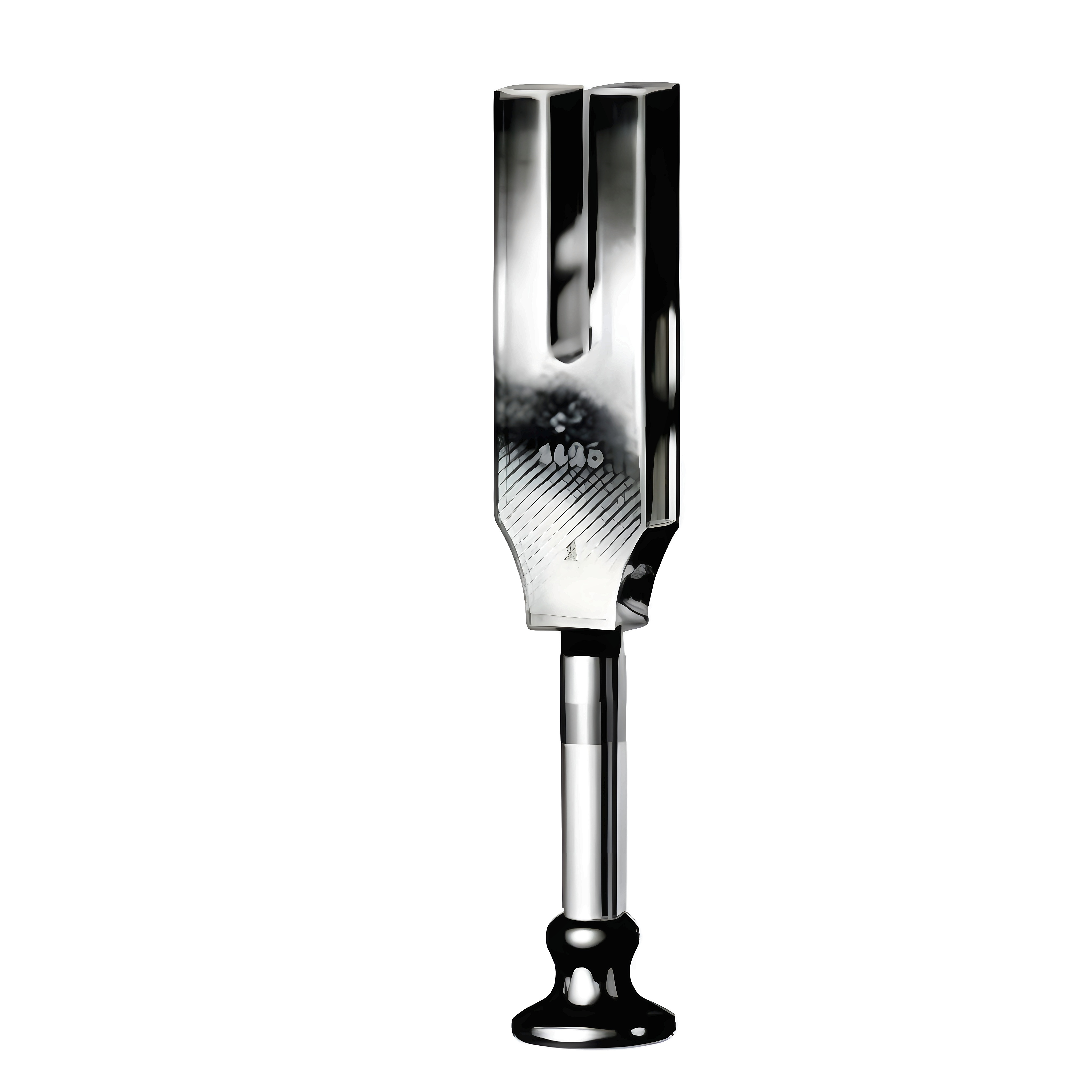
Model: 44.0650.06
Clinical Application
This high‑frequency tuning fork is used for focused clinical assessments of auditory function and vibratory sensation. When activated and applied to bone (mastoid, forehead, or other bony prominences) it is suitable for Weber and Rinne style comparisons and rapid bedside screeni..
$38.99
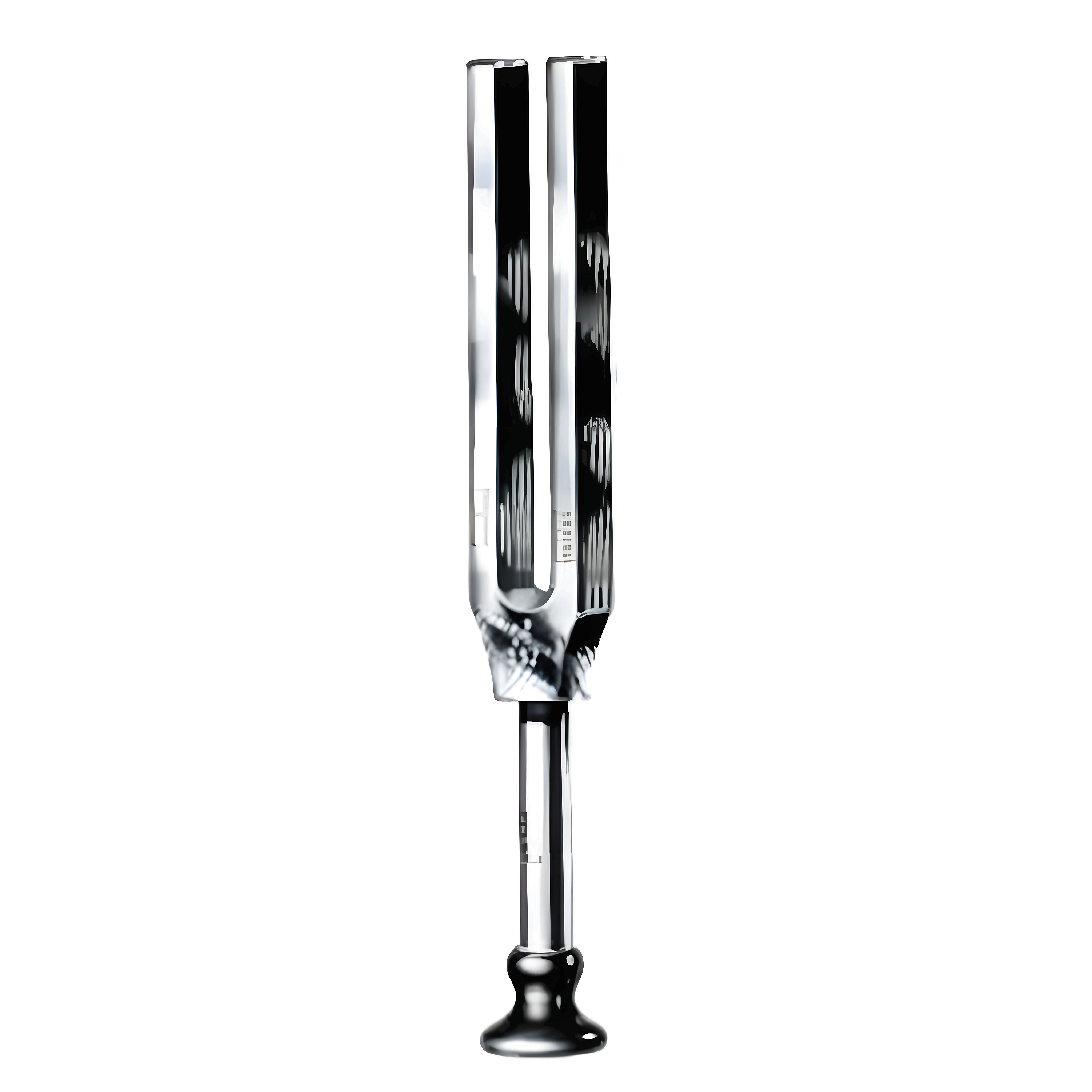
Model: 44.0650.03
Clinical Application
This 512 Hz diagnostic tuning fork is a clinician instrument used primarily in otology/ENT for bedside assessment of air- versus bone-conduction hearing (Weber and Rinne tests). It is also used by neurologists and primary care clinicians for focal vibratory sensory testing and b..
$38.99
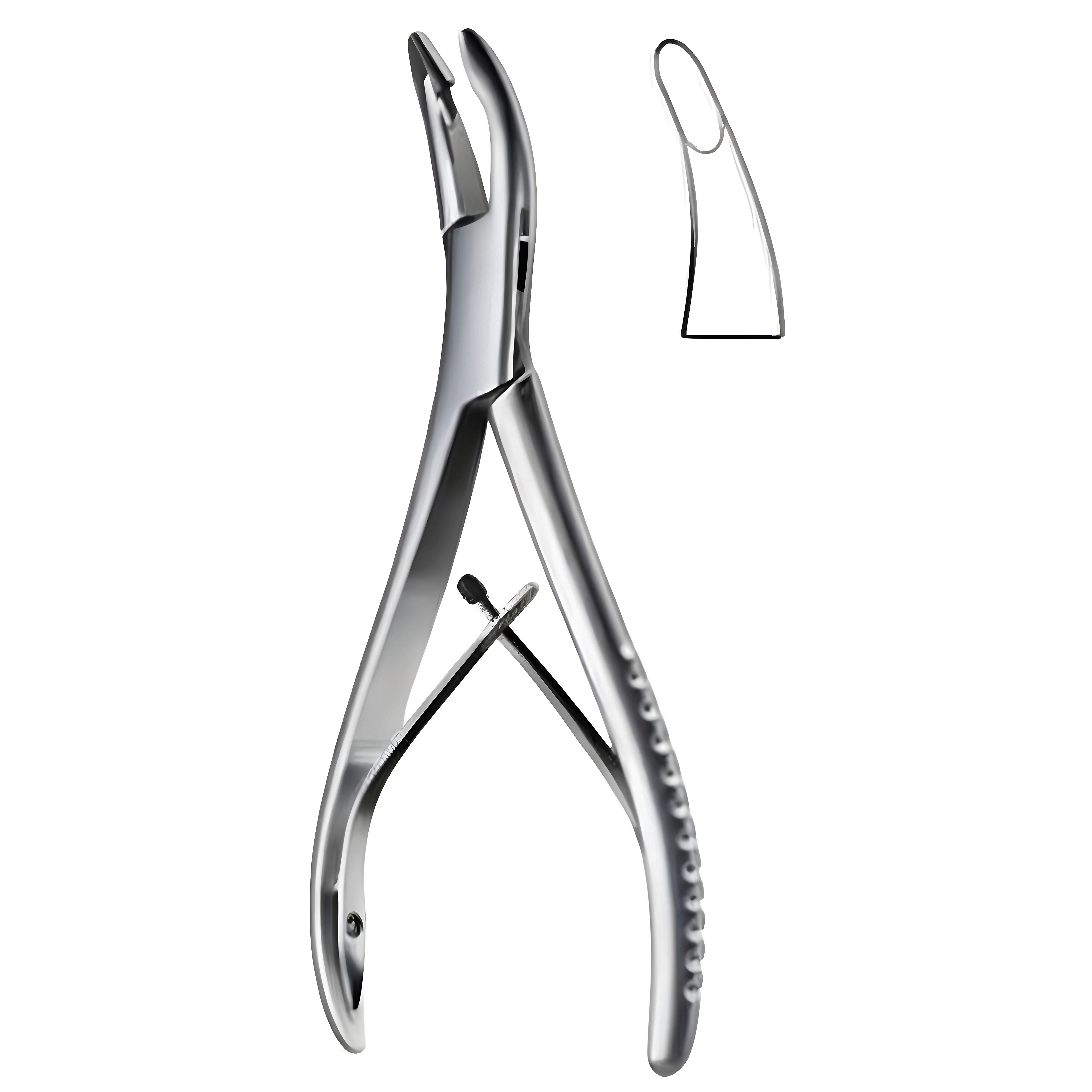
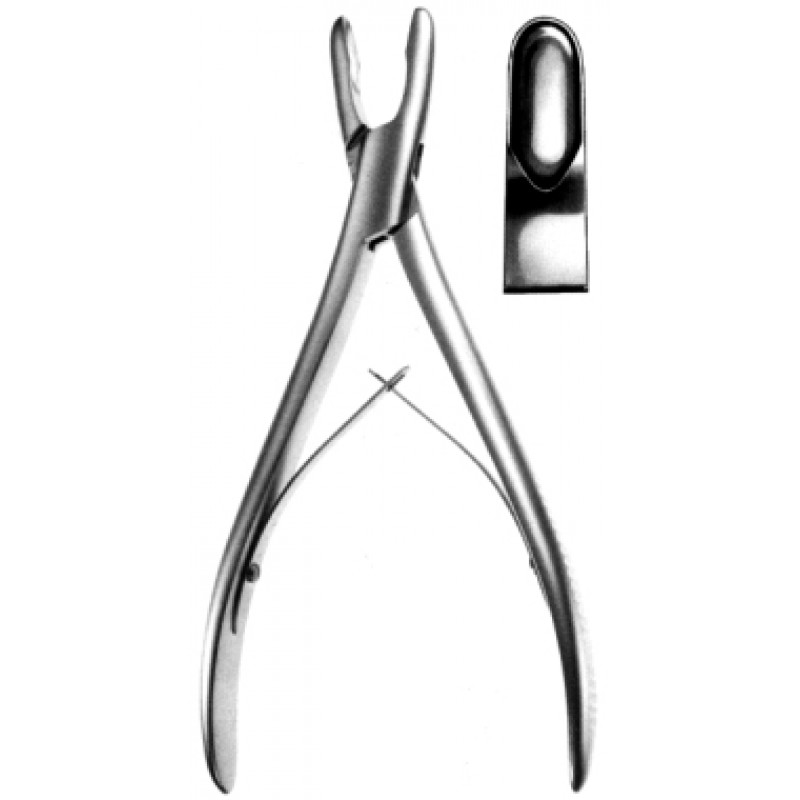
Model: 28.1214.01
Clinical Application
A Luer bone rongeur is used to remove small to moderate amounts of cortical and cancellous bone, to trim bone edges, and to retrieve bone fragments or graft material during procedures. The short, robust beak provides controlled, focused bites, making this instrument well suited ..
$139.99
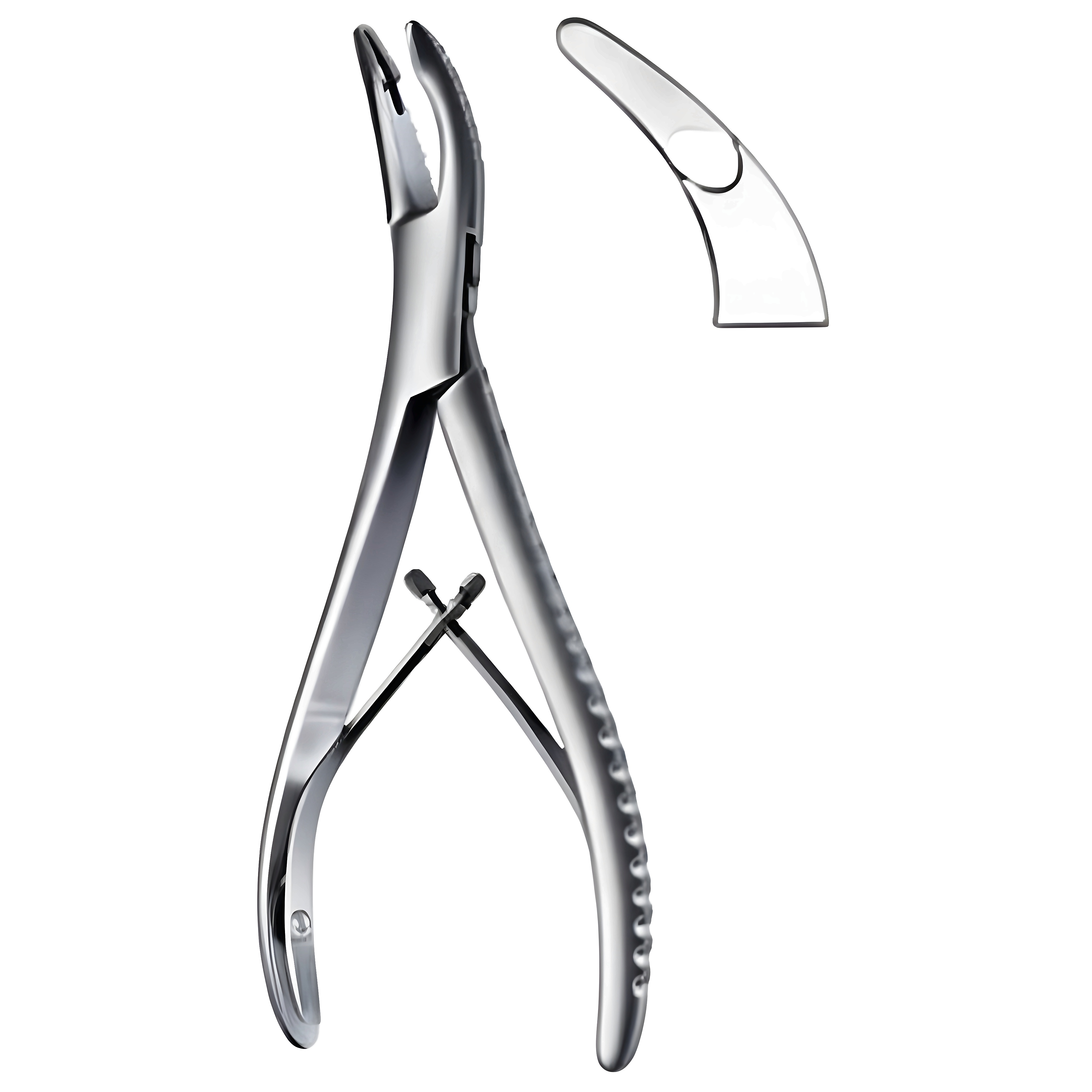
Model: 28.1214.02
Clinical Application
This narrow Luer bone rongeur is intended for precise removal, nibbling and shaping of small bone fragments and dense fibrous tissue in confined surgical corridors. Its slim working tip is useful for delicate work around neural elements and confined anatomic spaces encountered i..
$139.99
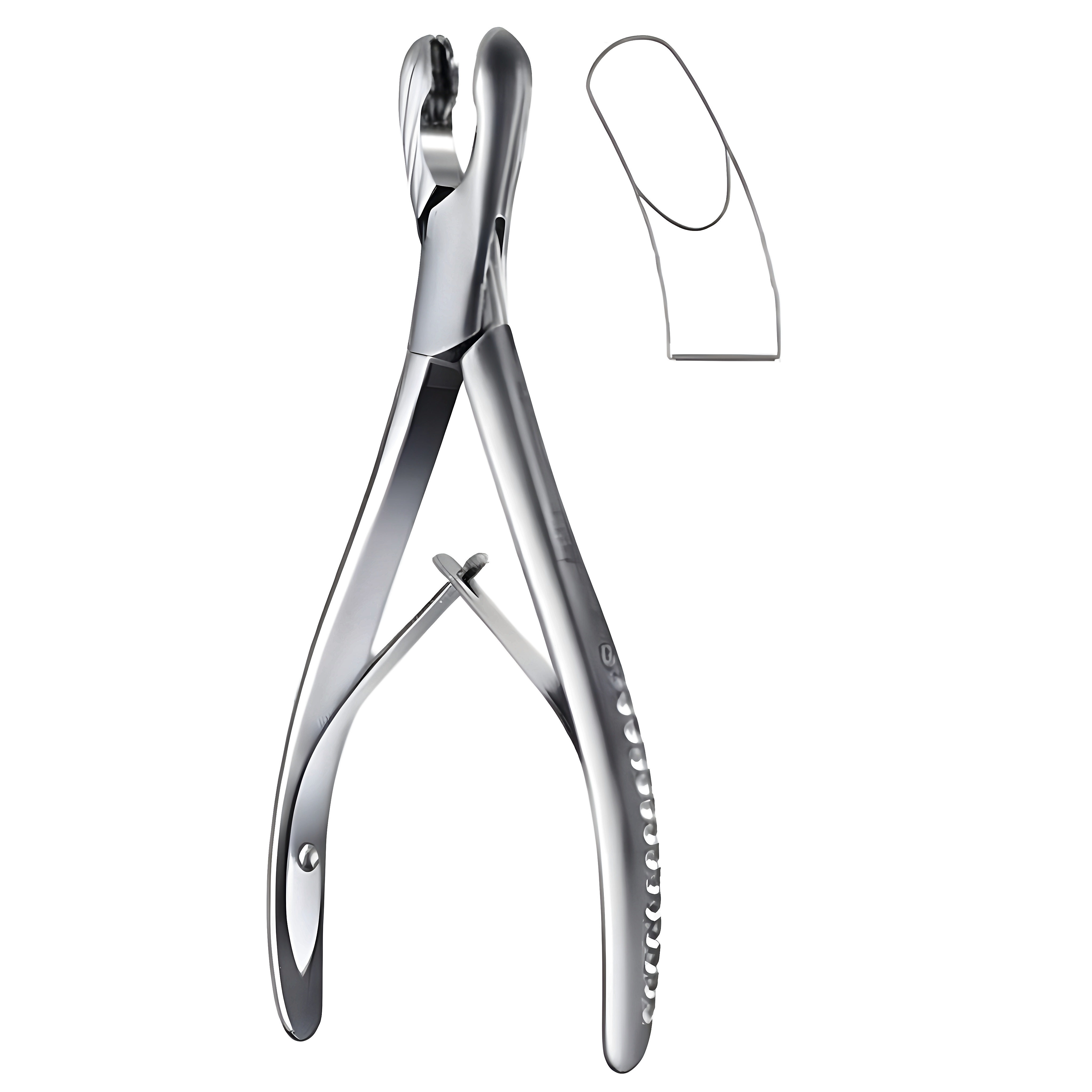
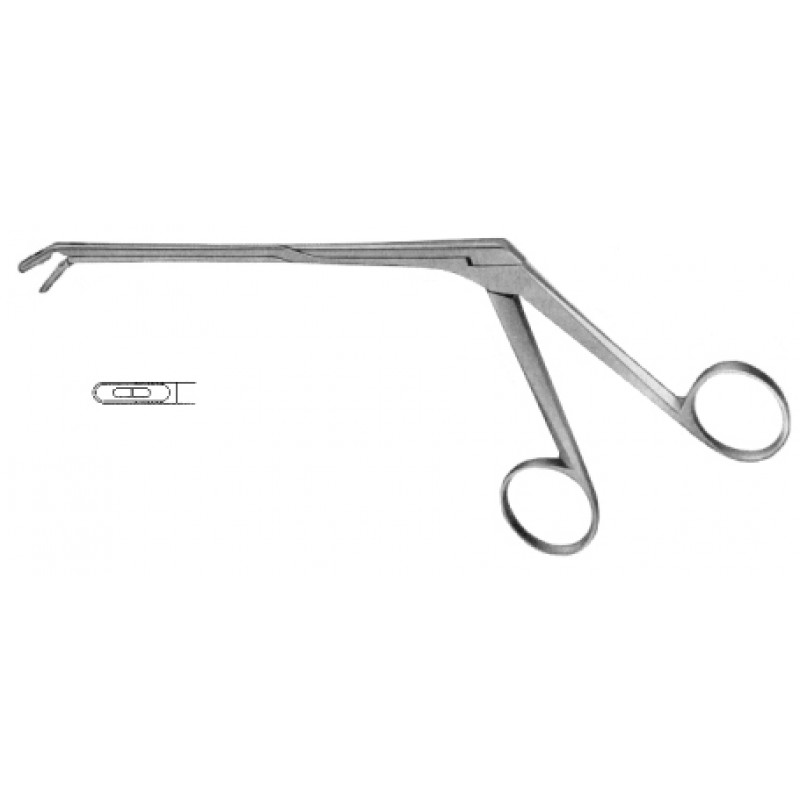
Model: 28.1227.17
Clinical ApplicationDesigned for controlled removal and contouring of small to moderate volumes of cortical and cancellous bone in confined or angled operative fields. Commonly employed in orthopedic, spinal, neurosurgical, maxillofacial and ENT procedures for progressive “nibbling” of bone, osteoph..
$139.99