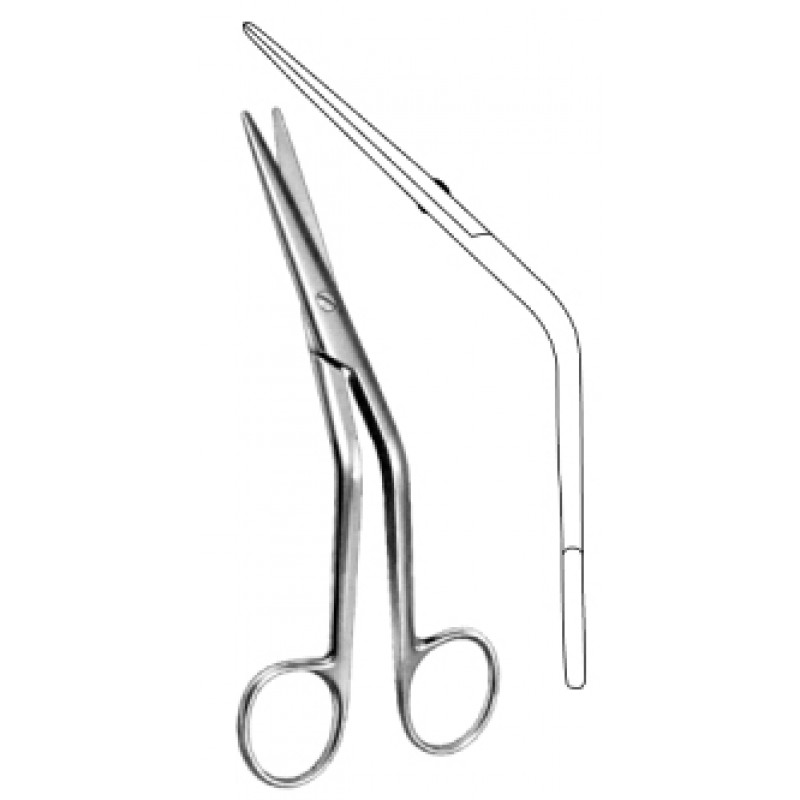


Surgical scissors look similar at a glance, but the differences between types matter a great deal in practice. Blade shape, tip design, and length are all matched to specific tasks — cutting sutures, dissecting soft tissue, or working in tight, delicate spaces. Using the wrong type isn't just inefficient, it can affect surgical outcomes.
This guide breaks down the most commonly used surgical scissors, what each is designed for, and what to consider when sourcing them for a surgical department.
Mayo Scissors
Mayo scissors are heavy-duty, general-purpose scissors typically used for cutting sutures and dissecting tougher tissue such as fascia. They come in both straight and curved variants — straight for suture cutting, curved for tissue dissection where more control and visibility around the blade tip is useful. Their sturdy build makes them one of the most common scissors found in a general surgical tray.
Metzenbaum Scissors
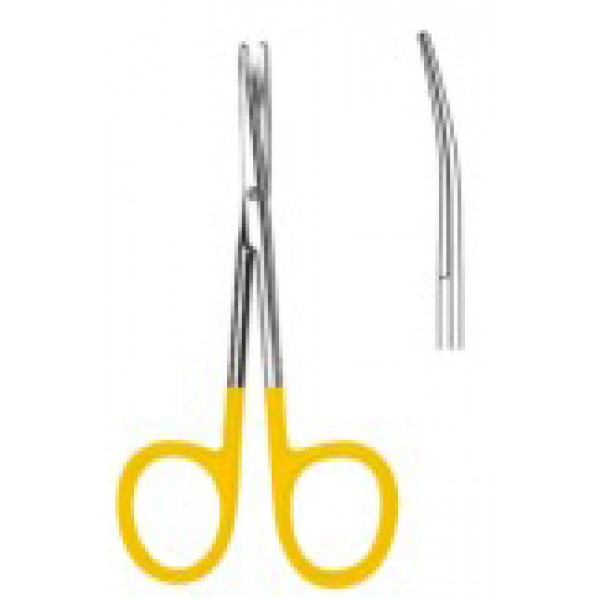
Metzenbaum scissors are designed for delicate dissection of fine or fragile tissue. Compared to Mayo scissors, they have thinner, more finely tapered blades and are noticeably lighter, giving the surgeon more precision for careful cutting. They're a staple in soft tissue procedures where control matters more than cutting force.
Iris Scissors
Iris scissors are small, sharp-tipped scissors originally developed for ophthalmic (eye) surgery, but now widely used in any procedure requiring fine, precise cuts in a small area — including plastic surgery, minor procedures, and delicate suture work. Their compact size makes them easy to maneuver where larger scissors would be impractical.
Suture Scissors
As the name suggests, these are used specifically for cutting suture material after knots are tied. They typically have a blunt tip to avoid accidentally cutting tissue or catching on surrounding structures while trimming a suture close to the knot.
What to Look for When Sourcing Surgical Scissors
Blade sharpness and edge retention. A scissor that dulls quickly creates more friction, requires more force, and can crush rather than cleanly cut tissue. Instruments with tungsten carbide inserts on the cutting edge hold sharpness significantly longer than standard stainless steel, particularly valuable for high-use instruments in a busy surgical schedule.
Consistent manufacturing. Scissors need to close and cut precisely and consistently across an entire set — inconsistent tolerances lead to uneven performance from one pair to the next.
Regulatory sourcing. As with any surgical instrument, it's reasonable to confirm that a wholesale supplier's scissors are manufactured by FDA-registered facilities before placing a bulk order.
Common Questions to Ask a Wholesale Supplier
- Are your surgical scissors manufactured by FDA-registered facilities?
- Do you offer tungsten carbide options for high-use instruments like Mayo or Metzenbaum scissors?
- What's the typical lead time for bulk or repeat orders?
- Can you supply a full range — Mayo, Metzenbaum, Iris, and suture scissors — from a single order?
- Is there a manufacturer's warranty, and what does it cover?
Sourcing Surgical Scissors from Noval Medical
Noval Medical distributes a full range of surgical scissors — including Mayo, Metzenbaum, Iris, and suture scissors — sourced from FDA-registered manufacturers, to hospitals, clinics, and distributors across North America.