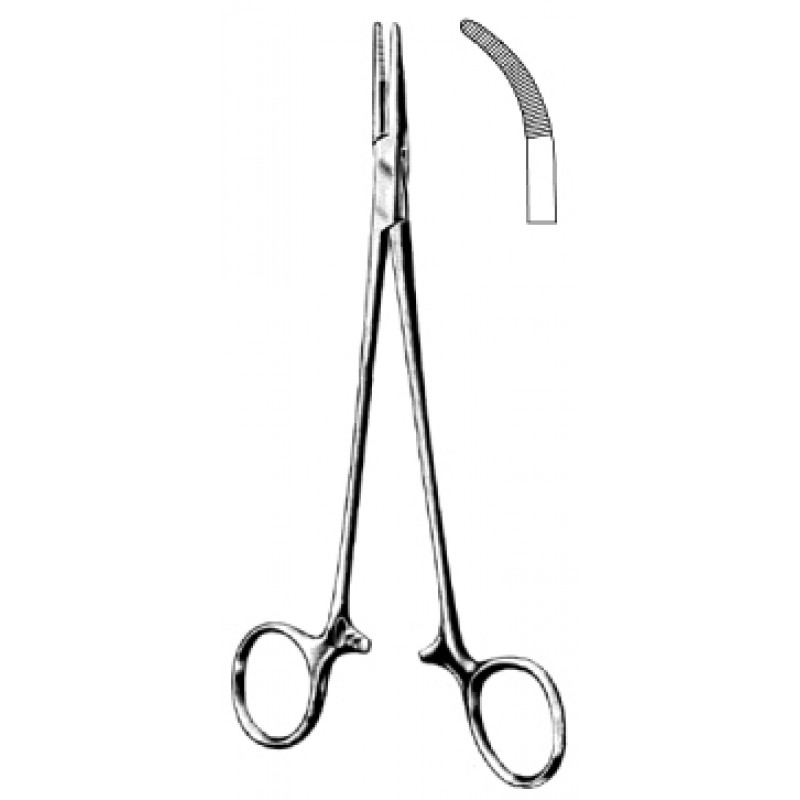
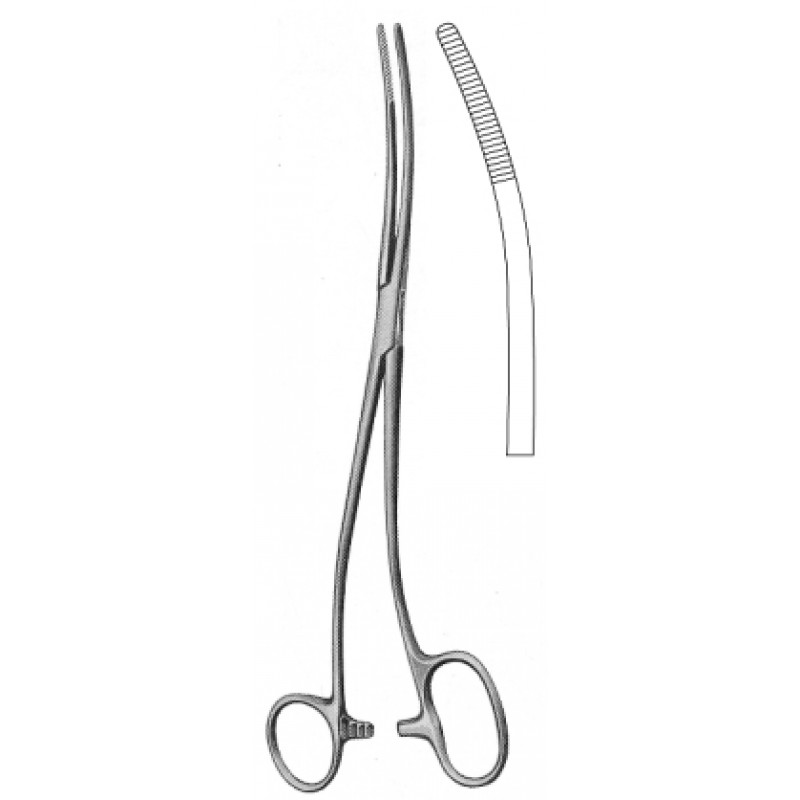
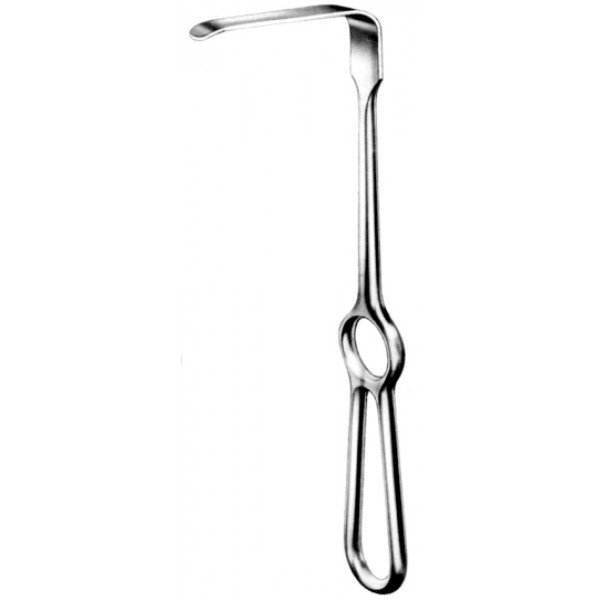
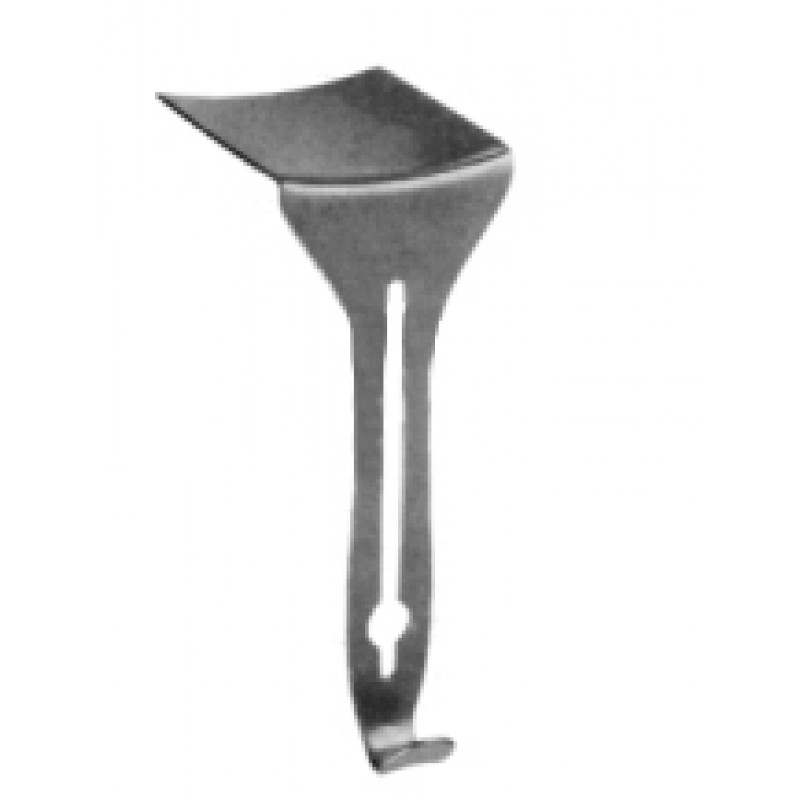
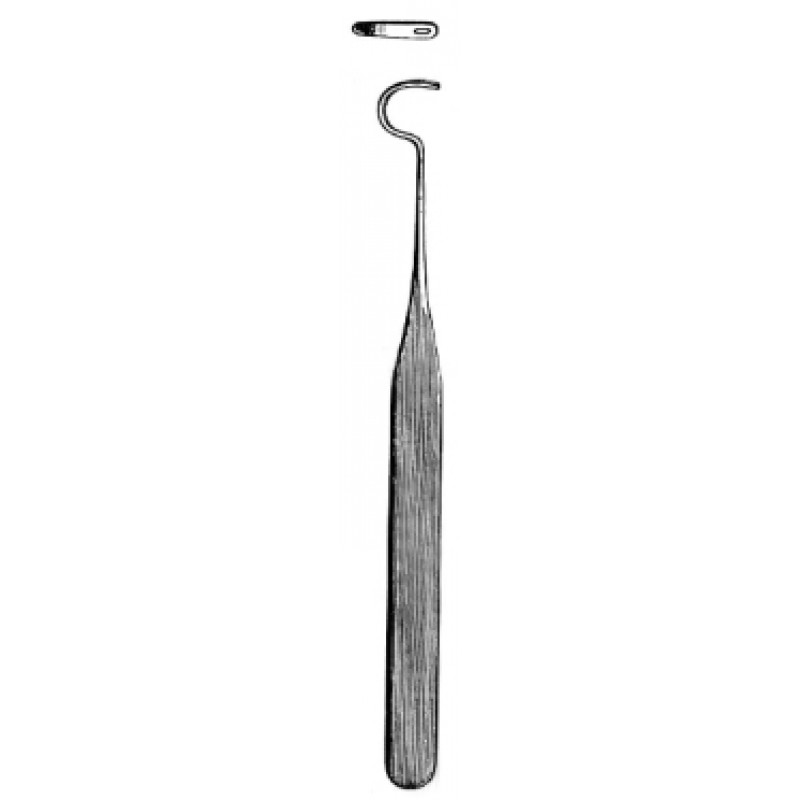
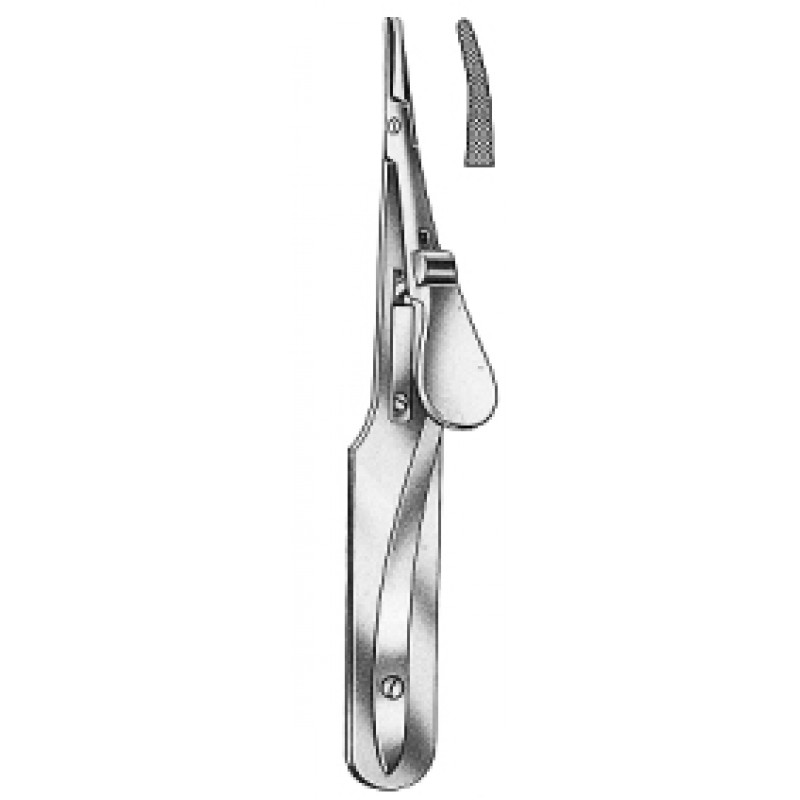
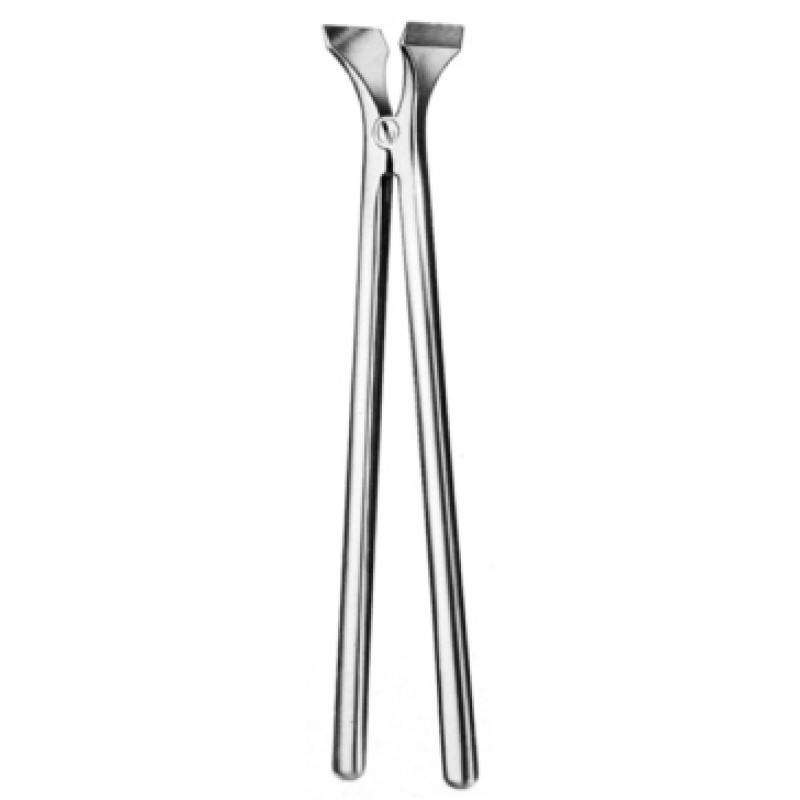
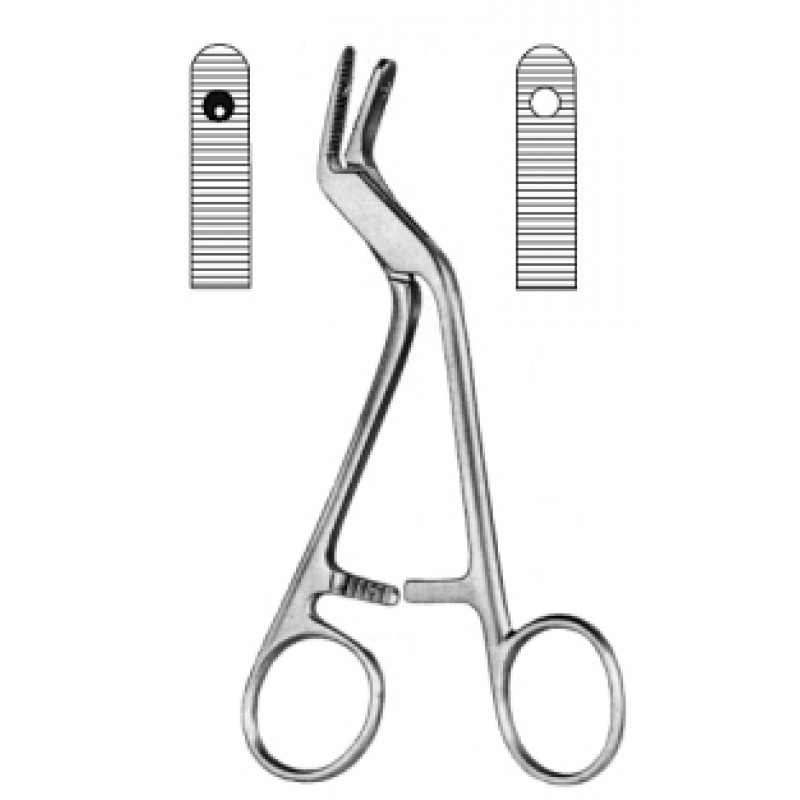
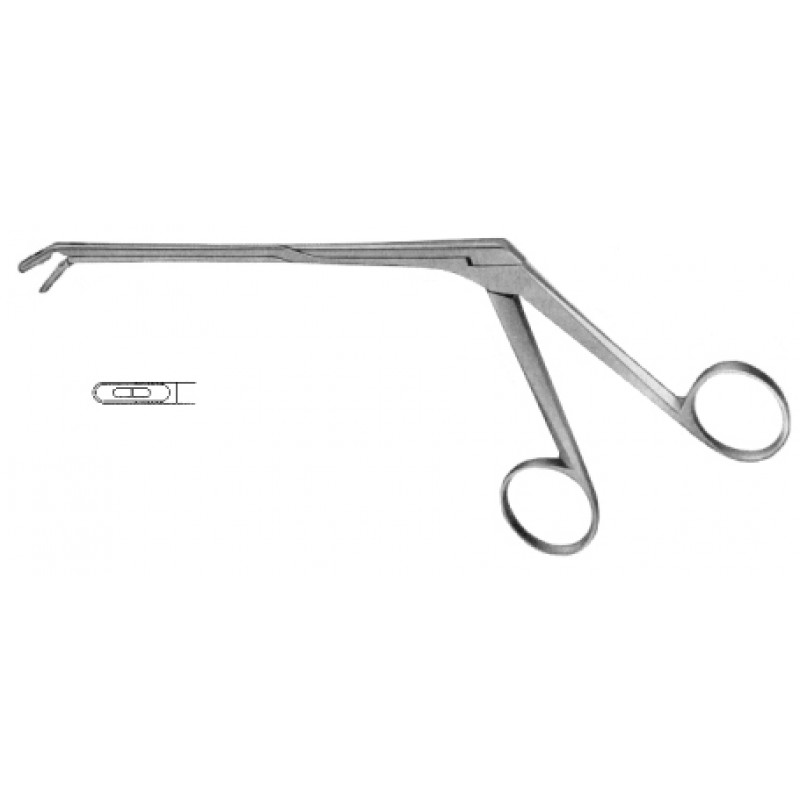
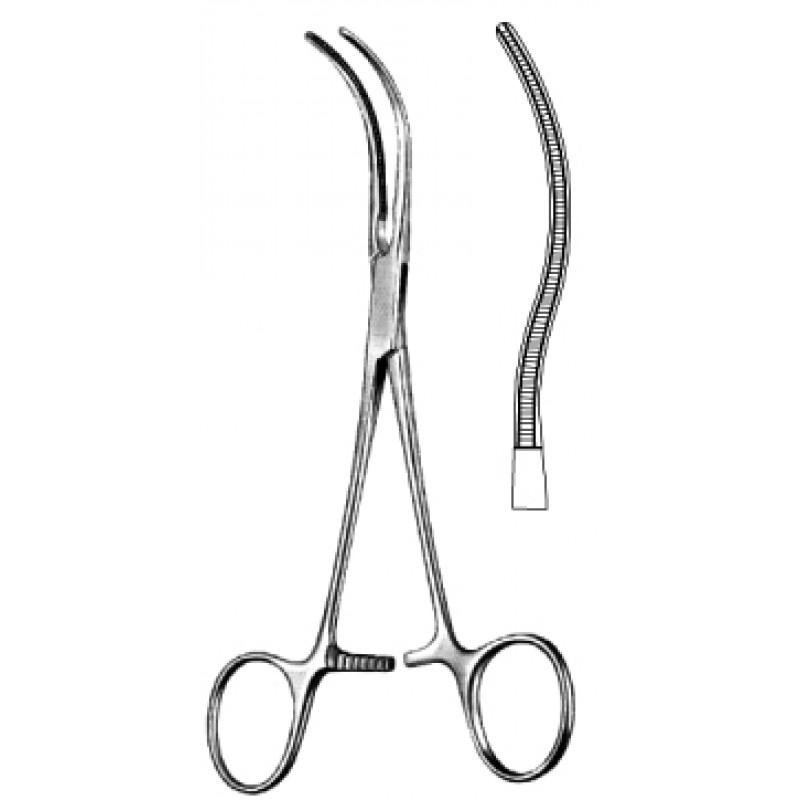


Retractors are among the most frequently used instruments in any operating room — and also among the most varied. From simple handheld retractors to self-retaining frames that hold tissue clear without an assistant, the right retractor depends entirely on the procedure, the surgical site, and how the surgical team works.
For hospitals, clinics, and distributors sourcing retractors at scale, understanding the main categories and what separates a well-made retractor from a poor one can make a real difference in surgical efficiency and instrument longevity.
Main Categories of Surgical Retractors
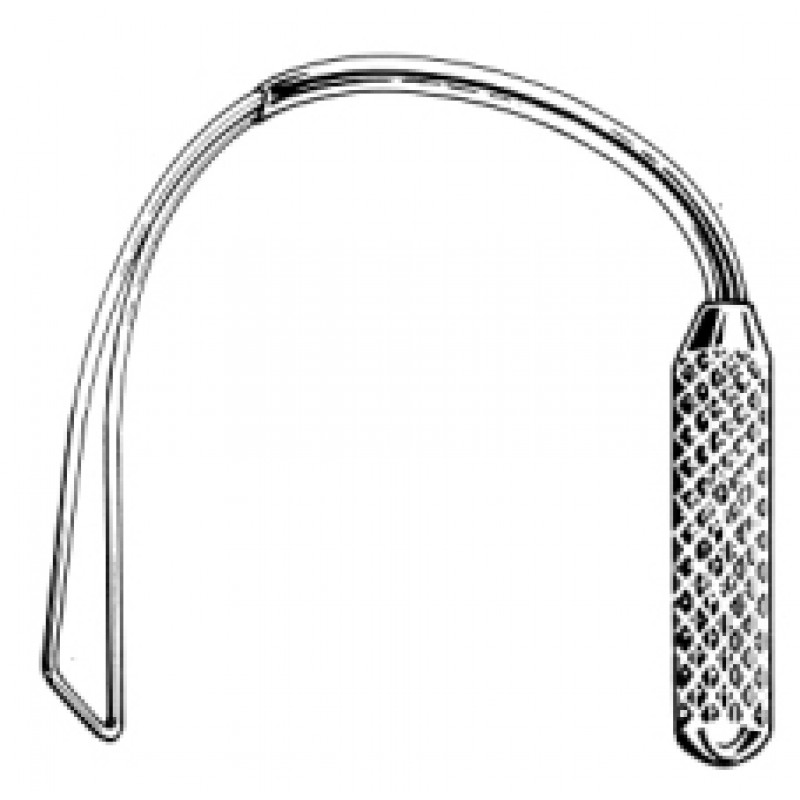
Handheld retractors are the simplest form — held by an assistant to hold tissue or organs out of the surgical field. Common types include Army-Navy retractors, Richardson retractors, and malleable (ribbon) retractors, which can be bent to fit the specific anatomy of the site.
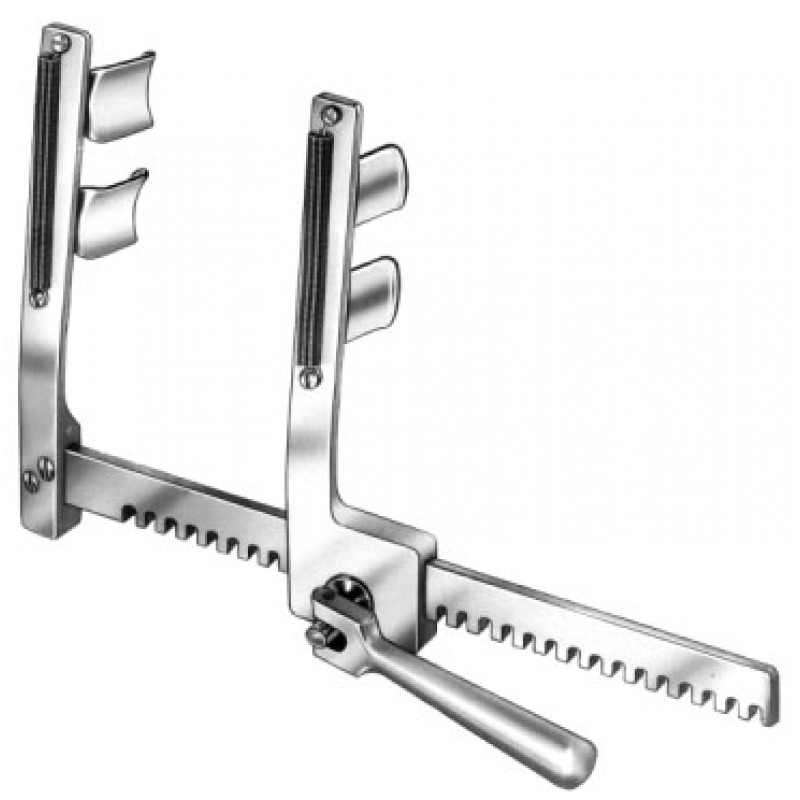
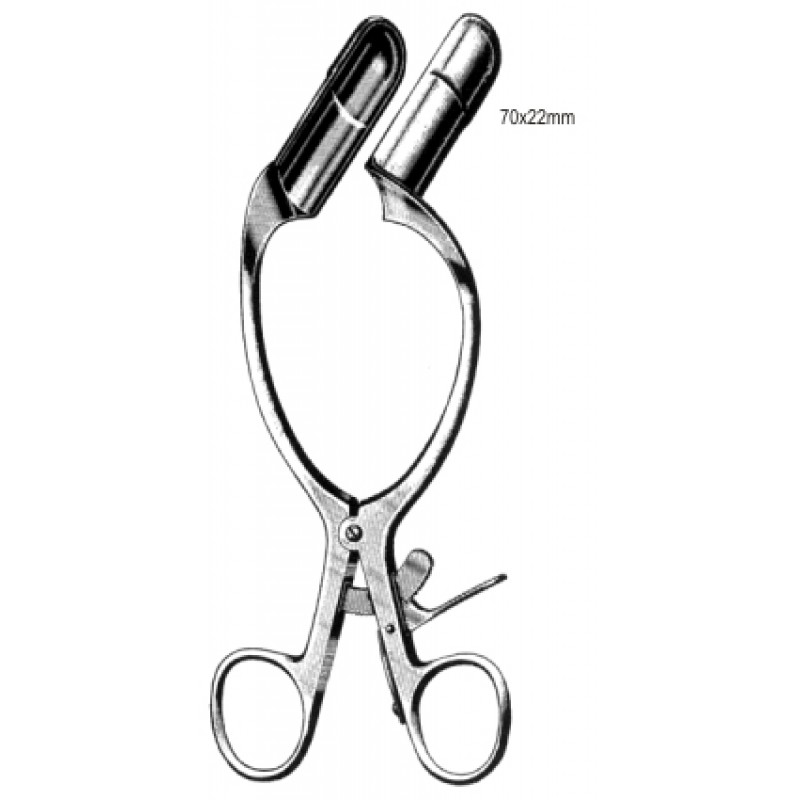
Self-retaining retractors hold their position without an assistant, using a ratchet, screw, or spring mechanism to maintain tension. These are especially valuable in longer procedures or when staffing is limited, since they free up a pair of hands for other tasks. Common examples include Weitlaner, Gelpi, and Balfour retractors.
Specialty retractors are designed for specific procedures or anatomical regions — examples include Deaver retractors (abdominal surgery), Hohmann retractors (orthopedic procedures), and Thompson retractors (also orthopedic, often used in hip and limb surgery).
What to Look for When Sourcing Retractors
Material and finish. Surgical-grade stainless steel is standard, chosen for its corrosion resistance and ability to withstand repeated autoclave sterilization cycles without degrading. A properly finished retractor should have smooth edges with no burrs, since rough spots can damage tissue or catch on surgical drapes.
Mechanism reliability (for self-retaining types). The ratchet or locking mechanism is the part most likely to wear out over repeated use. A well-made self-retaining retractor should hold tension firmly through a full procedure without slipping — worth testing or asking about durability specifically when evaluating a new supplier.
Size and blade options. Many retractors, especially self-retaining frames, come with interchangeable blades in different depths and widths. Confirm a supplier can provide the specific blade configurations your surgical team actually uses, not just the base frame.
Regulatory sourcing. As with any surgical instrument, it's worth confirming that a wholesale supplier's retractors are manufactured by FDA-registered facilities. This is a reasonable, direct question to ask any supplier before committing to a bulk order.
Common Questions to Ask a Wholesale Supplier
- Are your retractors manufactured by FDA-registered facilities?
- What grade of stainless steel is used, and how is the mechanism (for self-retaining models) tested for durability?
- Do you carry interchangeable blades or accessories for self-retaining frames?
- Can you supply both general-purpose and specialty retractors (orthopedic, abdominal, etc.) from a single order?
- What's the typical lead time for bulk or repeat orders?
Sourcing Surgical Retractors from Noval Medical
Noval Medical distributes a full range of handheld, self-retaining, and specialty retractors, sourced from FDA-registered manufacturers, to hospitals, clinics, and distributors across North America. Whether you need general-purpose retractors for a busy surgical schedule or specialty frames for a specific procedure type, our catalog covers the full range outlined above.