


Sourcing orthopedic surgical instruments is not the same as sourcing general medical supplies. Bone surgery places unique demands on an instrument — cutting through dense tissue, withstanding repeated sterilization, and holding precise tolerances case after case. For procurement teams and surgical staff evaluating a new supplier, knowing what actually separates a reliable instrument set from a disappointing one can save both budget and time in the operating room.
This guide covers the core categories of orthopedic surgical instruments, what to evaluate before purchasing, and questions worth asking any wholesale supplier.
What Counts as an Orthopedic Surgical Instrument?
Orthopedic surgery covers a wide range of procedures — from joint replacement to fracture repair to spinal work — and the instrument sets used reflect that range. Common categories include:
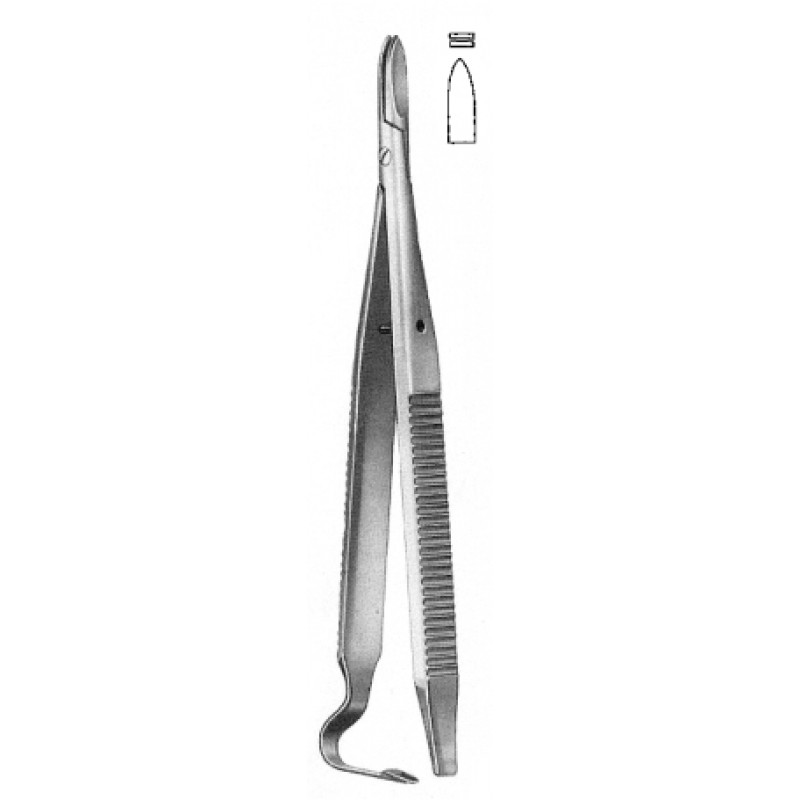
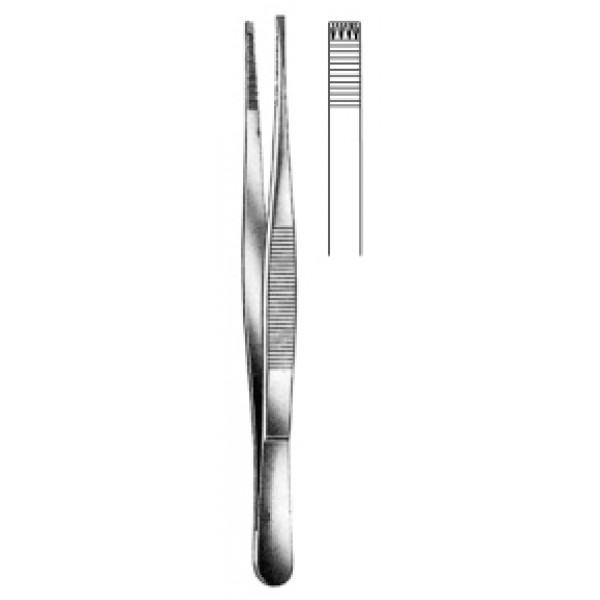
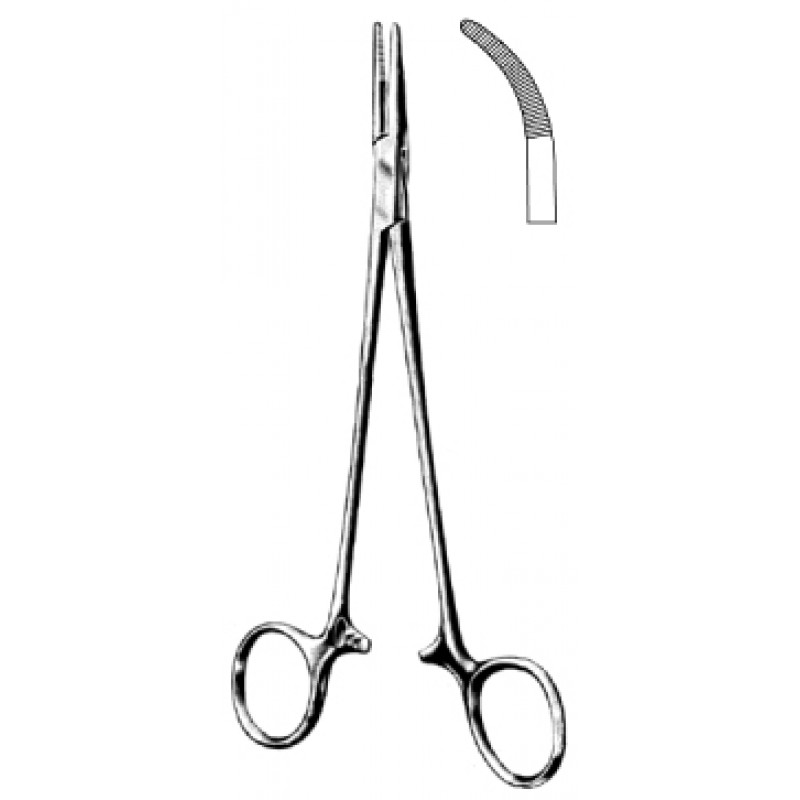
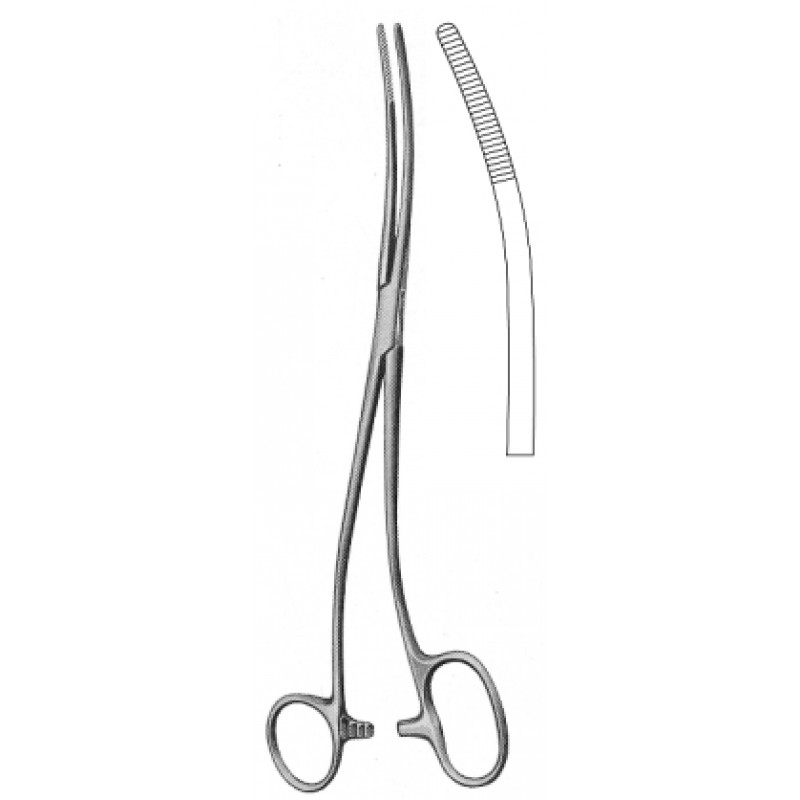
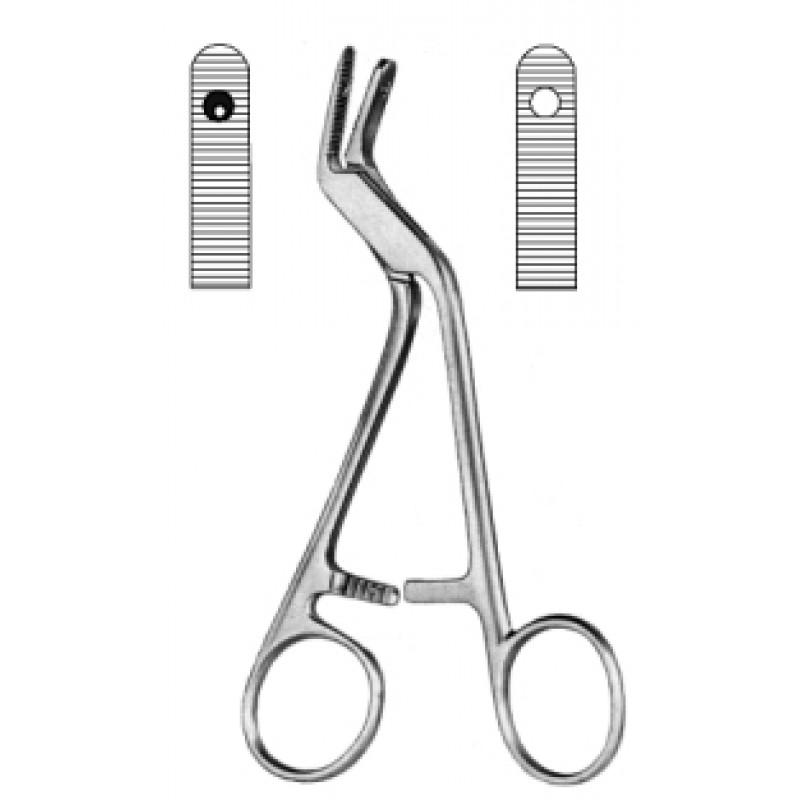
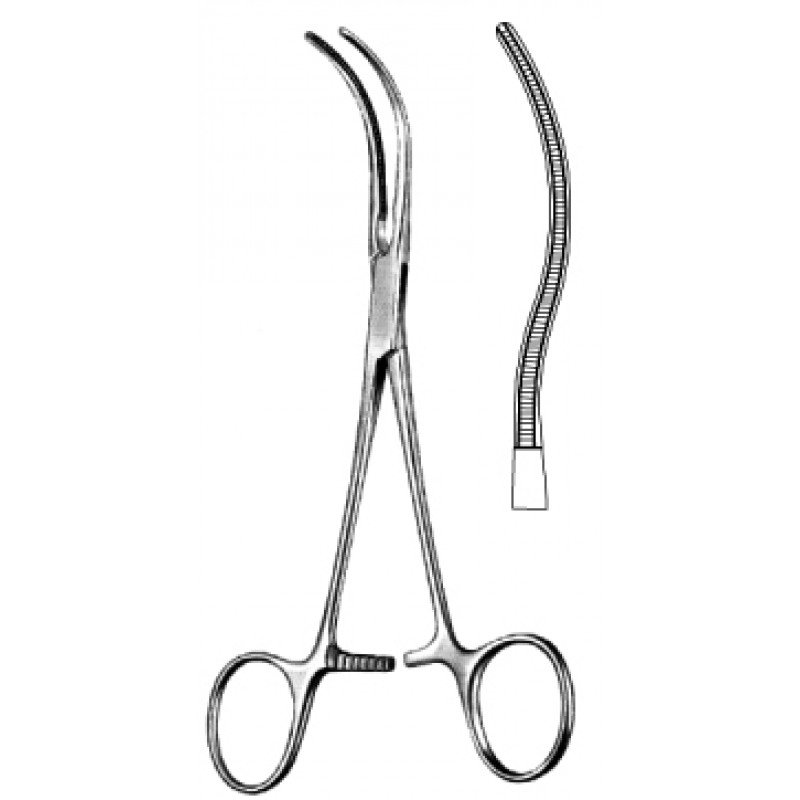
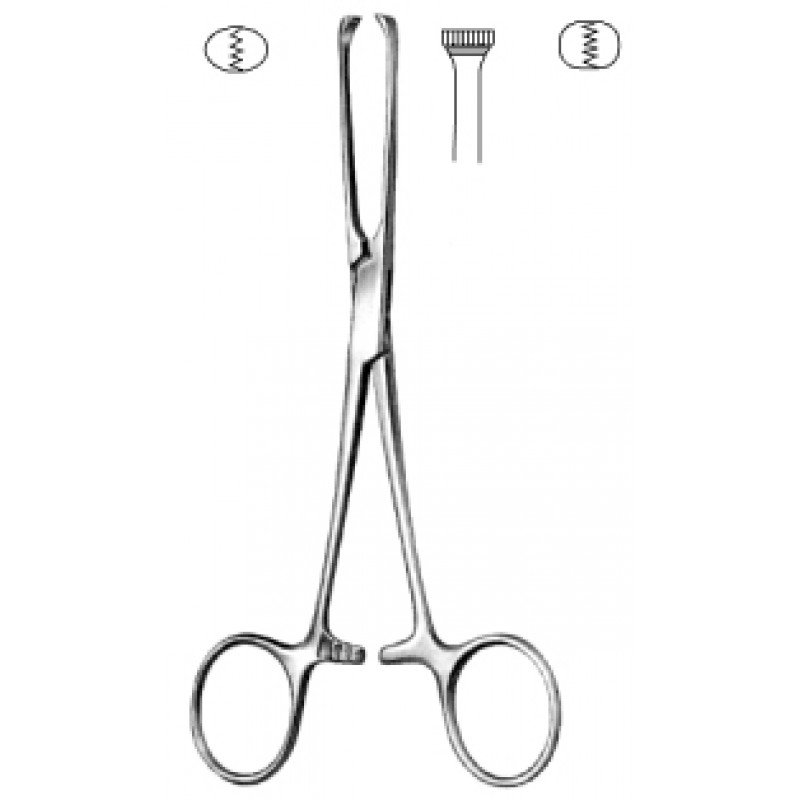
- Bone-holding and reduction instruments — clamps and forceps that stabilize bone fragments during repair
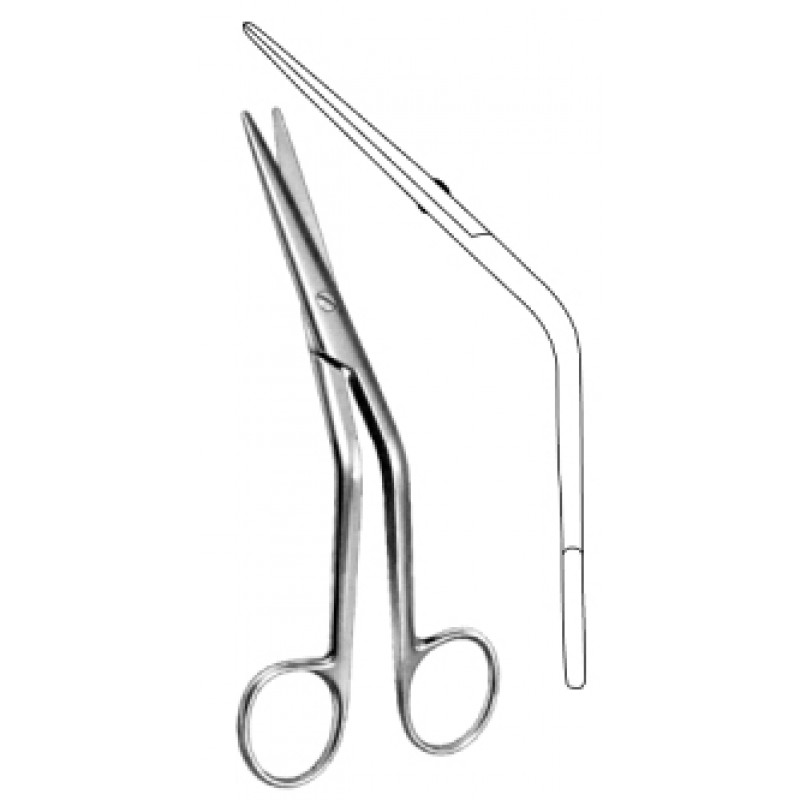
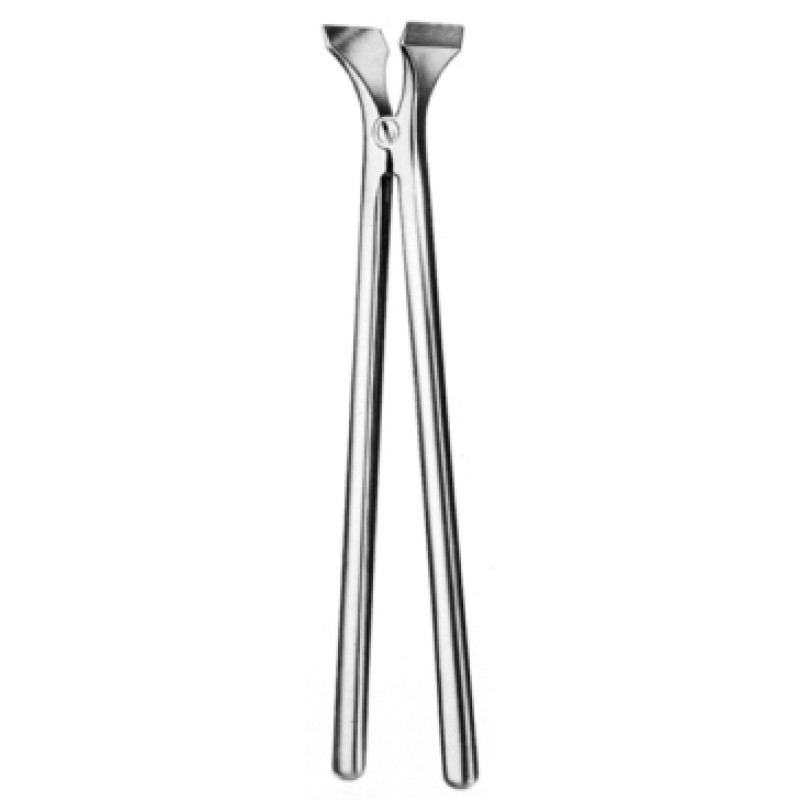
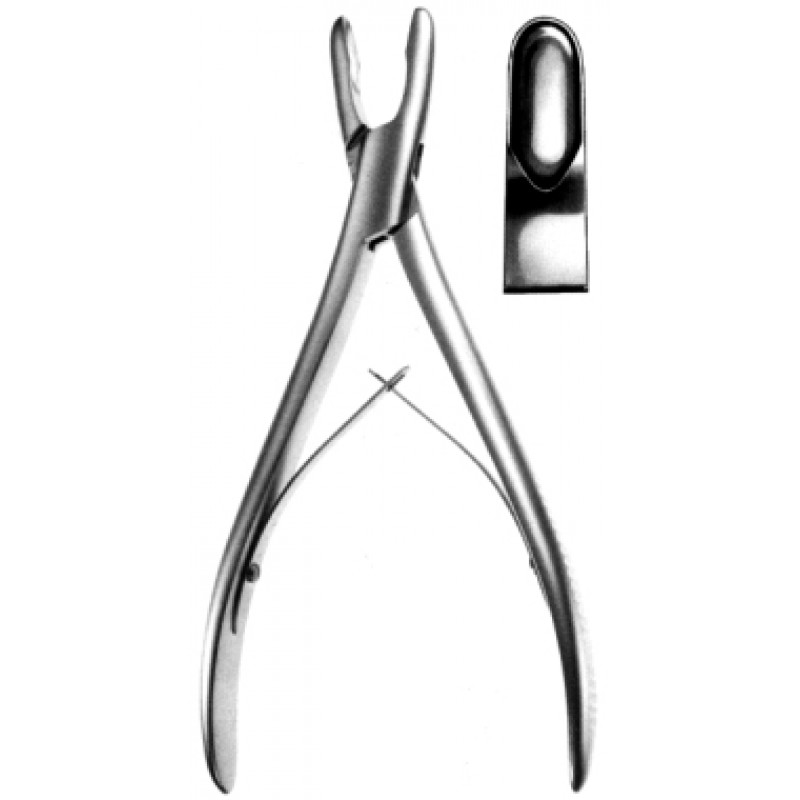
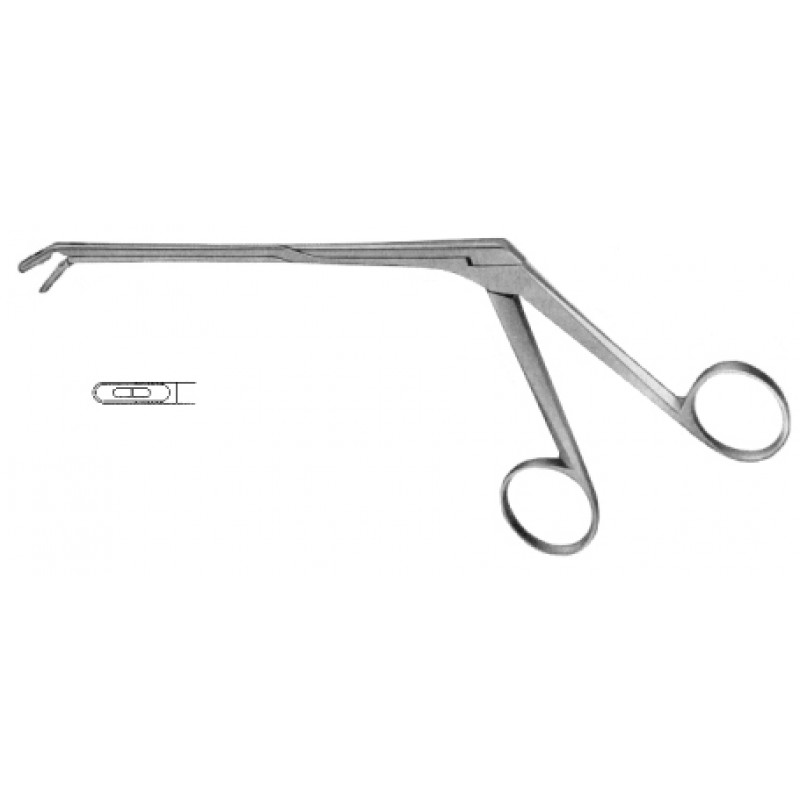
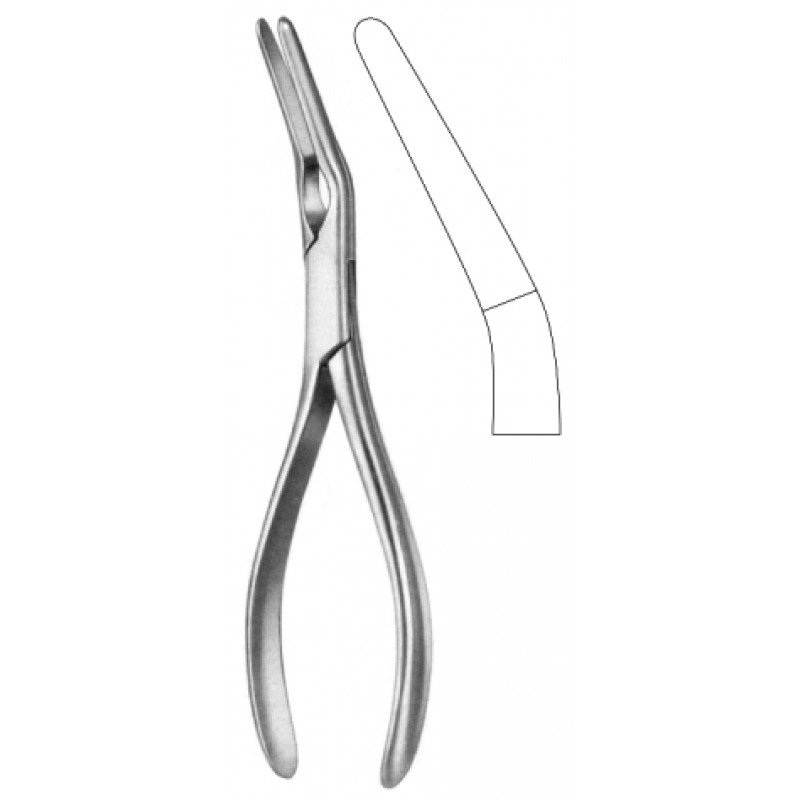
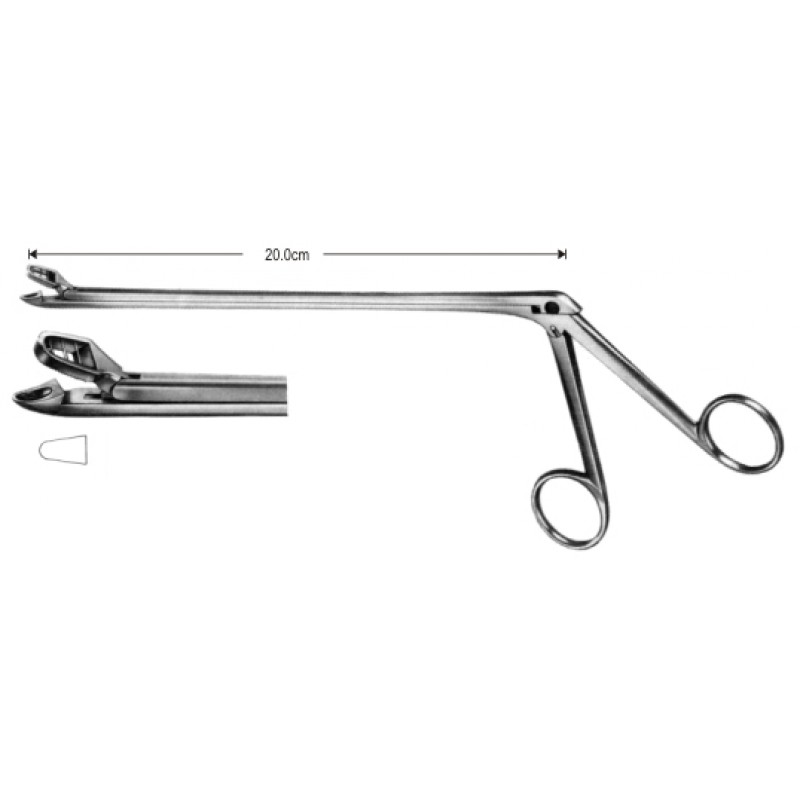
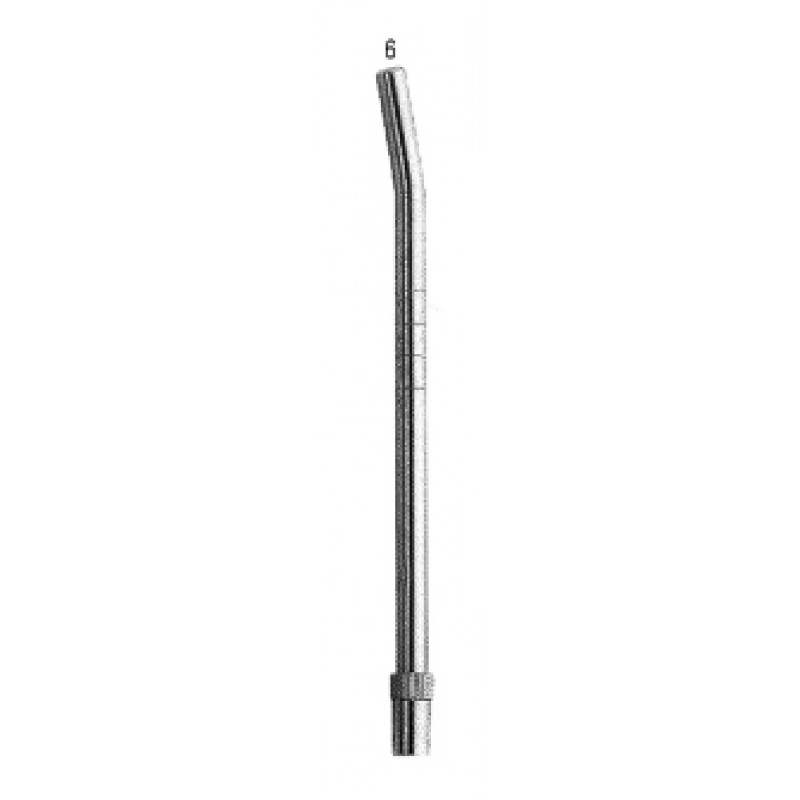
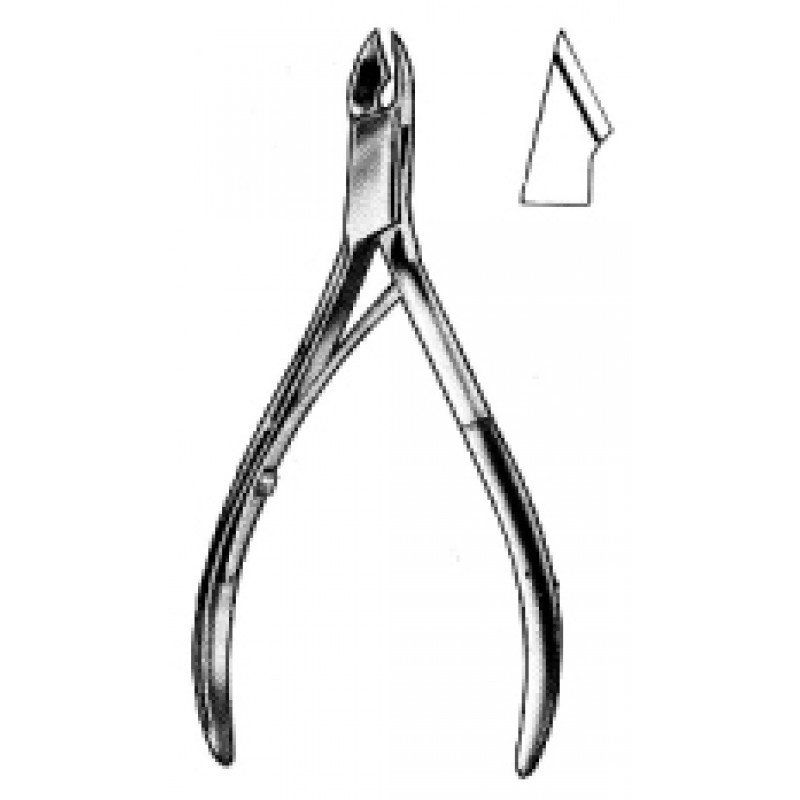
- Cutting and shaping instruments — osteotomes, bone cutters, and rongeurs
- Drilling and reaming instruments — used to prepare bone for screws, pins, or implants
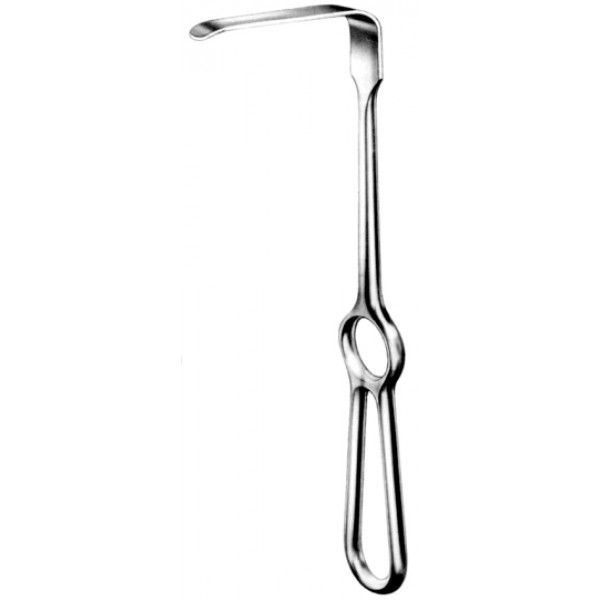
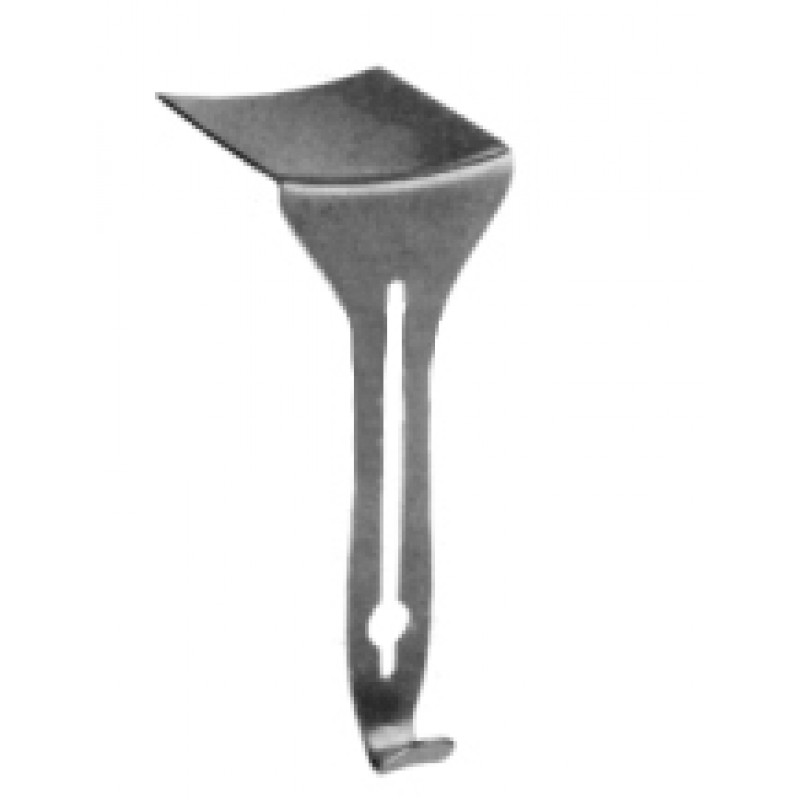
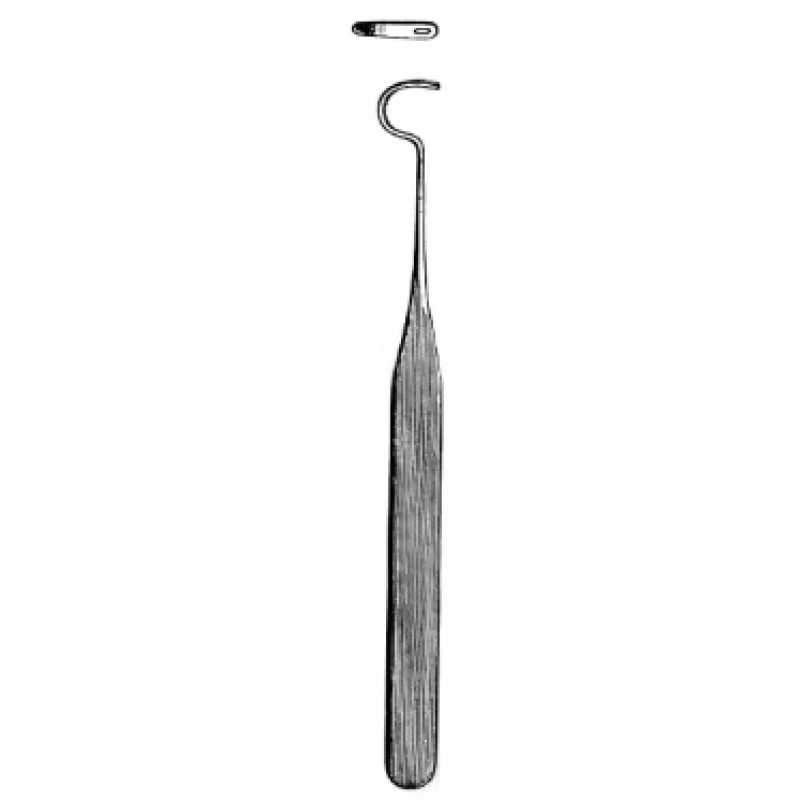
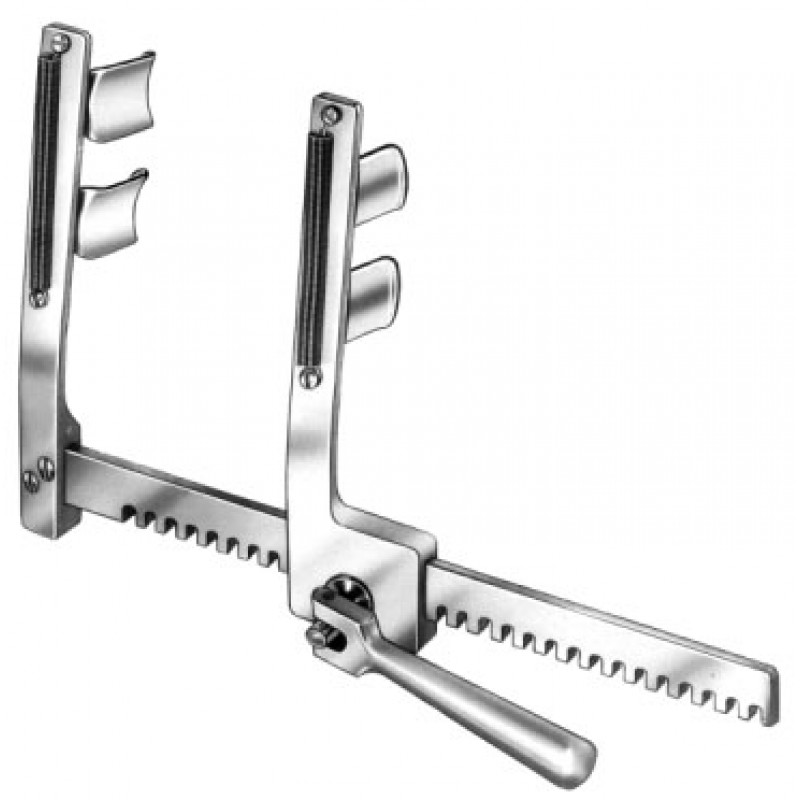
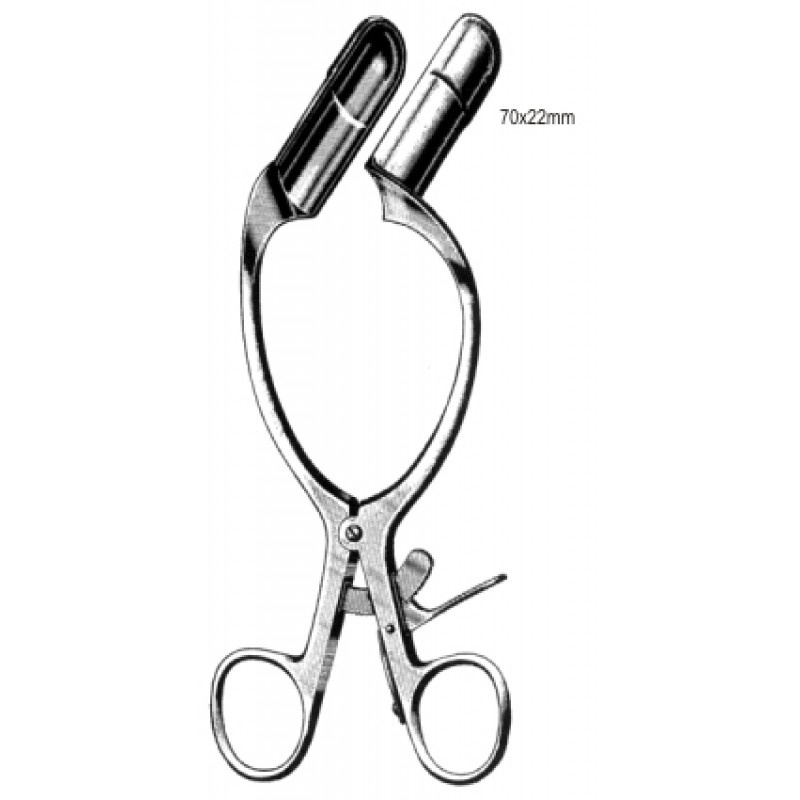
- Retractors — hold soft tissue clear of the surgical site
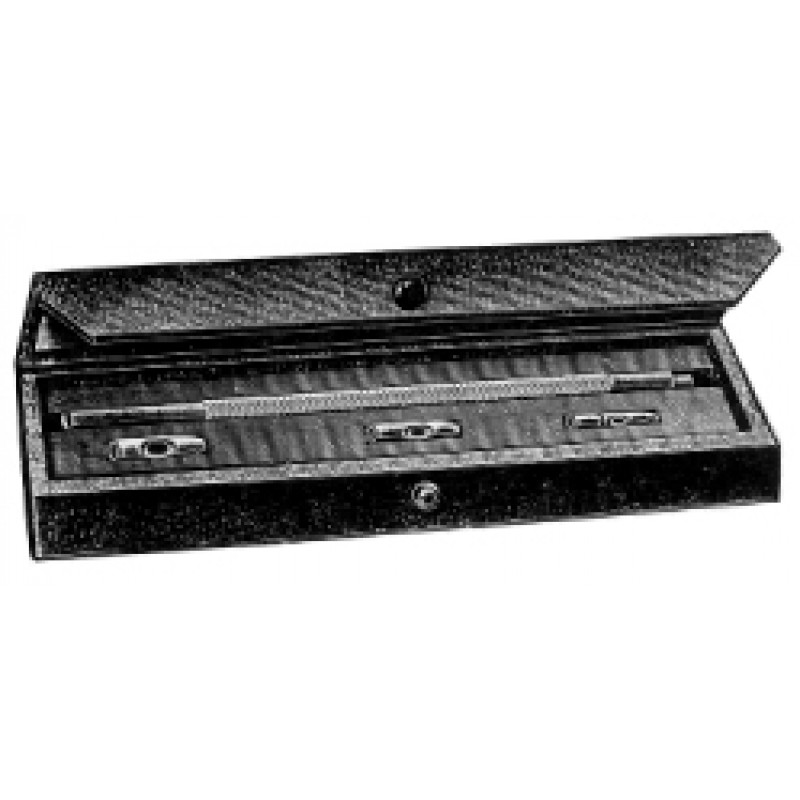
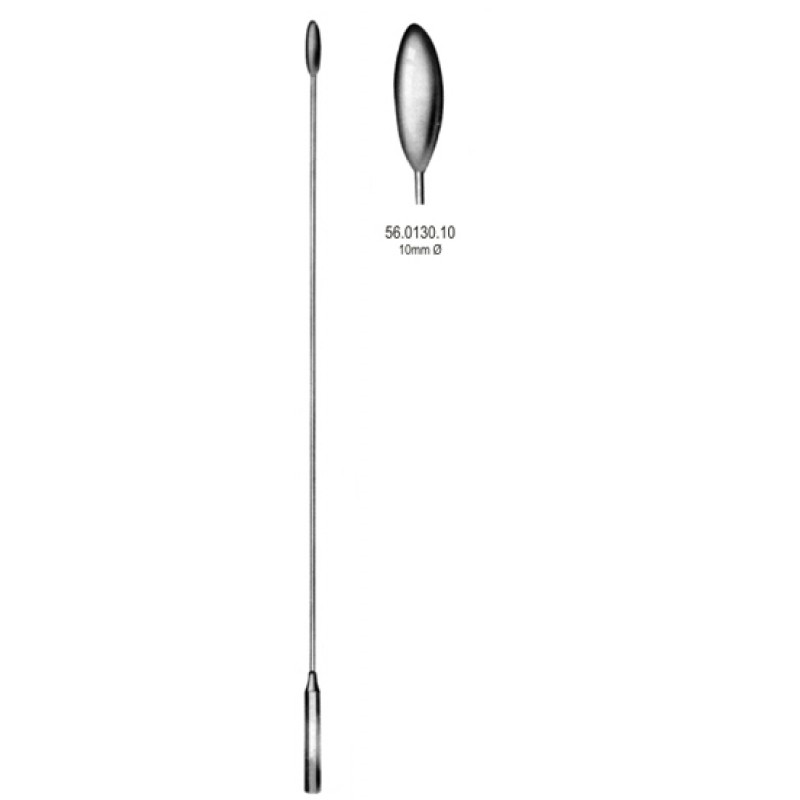
- Measuring and alignment tools — ensure correct implant sizing and placement
Each category has its own durability and precision requirements, which is why generic "surgical instrument" suppliers often fall short for orthopedic-specific needs.
What to Look for When Sourcing Orthopedic Instruments
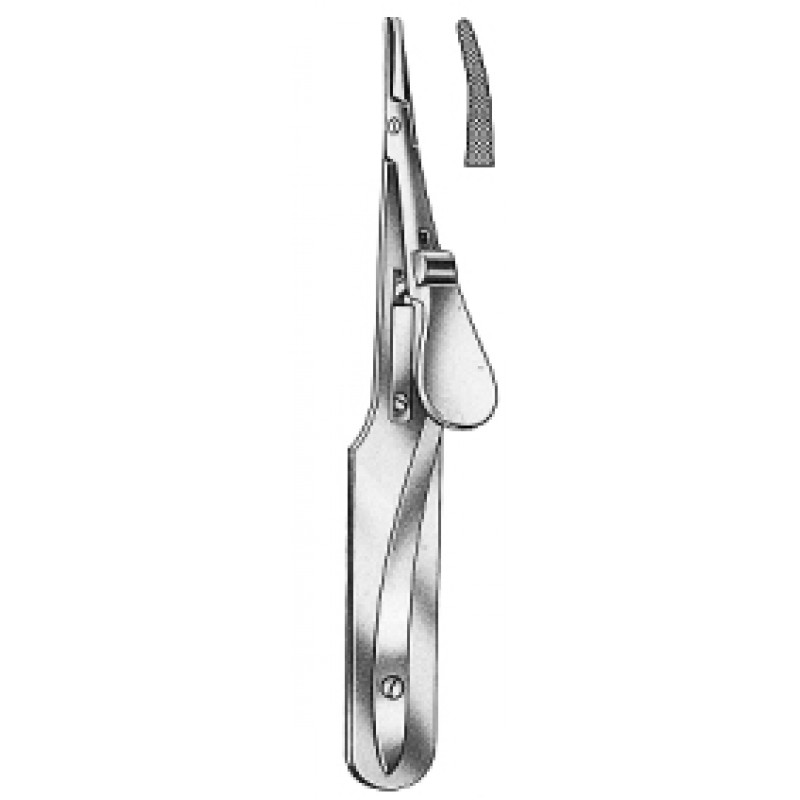
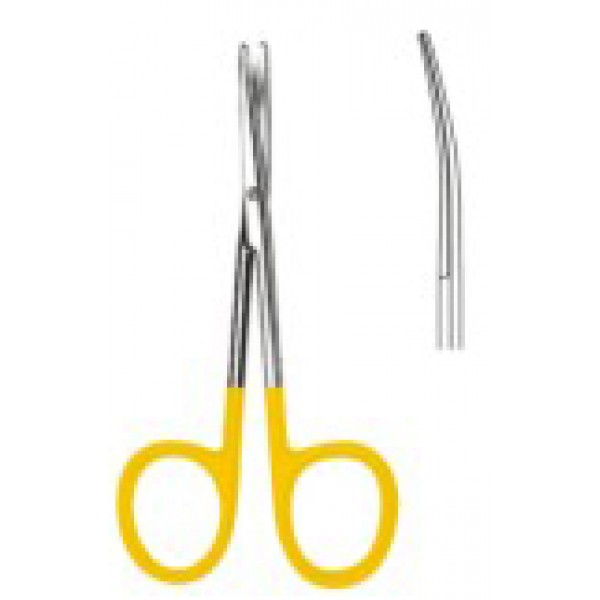
Material and construction. Most orthopedic instruments are made from surgical-grade stainless steel, chosen for corrosion resistance and the ability to withstand repeated autoclave sterilization. Some instruments — particularly scissors and needle holders — are available with tungsten carbide inserts, which hold a sharper edge significantly longer than stainless steel alone. For high-use instruments, this is worth the incremental cost.
Manufacturing consistency. Bone surgery instruments need to perform identically from one unit to the next. Inconsistent tolerances can mean the difference between a clean reduction and a frustrating one. Ask any supplier how their instruments are manufactured and quality-checked before they reach your facility.
Regulatory sourcing. In the United States, medical device manufacturers are required to register with the FDA. When evaluating a wholesale supplier, it's reasonable to ask directly: are your instruments manufactured by FDA-registered facilities? A supplier who can answer that clearly and specifically is generally a safer bet than one who's vague on the point.
Warranty and support. Instruments are a long-term investment for any surgical department. A manufacturer's warranty, and a supplier willing to stand behind it, is a meaningful signal of confidence in the product.
Common Questions to Ask a Wholesale Supplier
- Are your instruments manufactured by FDA-registered facilities?
- What material and grade of steel is used, and is tungsten carbide available for high-wear instruments?
- What's the typical lead time for bulk or repeat orders?
- Is there a manufacturer's warranty, and what does it cover?
- Can you supply instruments across multiple orthopedic sub-specialties, or only a narrow range?
Sourcing Orthopedic Instruments from Noval Medical
Noval Medical distributes a full range of orthopedic and bone surgery instruments, sourced from FDA-registered manufacturers, to hospitals, clinics, and distributors across North America. Whether you're outfitting a new surgical department or replacing worn instruments in an existing set, our catalog covers the core categories outlined above.