
Clinical Application
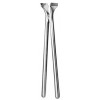
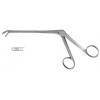
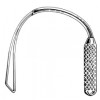
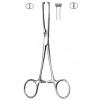
This instrument provides a protected airway after a tracheostomy procedure and is used for acute postoperative airway management, prolonged ventilatory support, and chronic airway access in the ICU or long-term care settings. It also facilitates direct tracheal suctioning, airway toilet, and can be exchanged for diagnostic or therapeutic procedures through the tracheostomy stoma. Choice of cuffed versus uncuffed and fenestrated versus non-fenestrated configurations allows tailoring to ventilation needs, aspiration risk, and voice rehabilitation.
Design & Configuration
The typical design centers on a curved cannula that follows tracheal anatomy, a low-profile neck flange (plate) for secure fixation to the neck, and a removable inner cannula to allow rapid cleaning and lumen clearance without removing the outer cannula. An insertion obturator with a blunt, atraumatic tip is used to guide placement and protect the airway during initial insertion. Cuffed designs provide a seal for positive-pressure ventilation and reduced aspiration risk, while fenestrated variants enable airflow to the larynx to support phonation. These geometric and functional features reduce occlusion risk, simplify maintenance, and support safe airway management in operative and critical care settings.
Instrument Specifications
- Instrument type: Tracheotomy tube / tracheostomy cannula
- Configuration: Outer cannula with removable inner cannula and insertion obturator; neck flange for fixation
- Variants: Available in cuffed, uncuffed, and fenestrated options to match clinical needs
- Typical surgical use: Airway establishment and maintenance after tracheostomy; suctioning and ventilatory support
- Material / construction: Medical-grade stainless steel
- Reusable: Yes — designed for sterilization and repeated clinical use
Material & Construction
Constructed in medical-grade stainless steel to withstand repeated sterilization cycles and resist corrosion. The inner cannula is designed for quick removal and cleaning to maintain lumen patency between changes. The neck flange provides a stable platform for tracheostomy ties or straps and minimizes rotation of the cannula. Optional features across variants include an inflatable cuff and fenestration; availability of these features should be confirmed at time of order.
Quality & Compliance
Manufactured by FDA-registered OEM facilities and produced under strict quality control standards.
Brand Comparison
Comparable in form and function to equivalent instruments offered by major US medical suppliers.
Availability & Returns
- In-stock lead time: ships within ~1 week
- Out-of-stock lead time: 2–4 weeks
- Returns: 30-day return policy