
Clinical Application
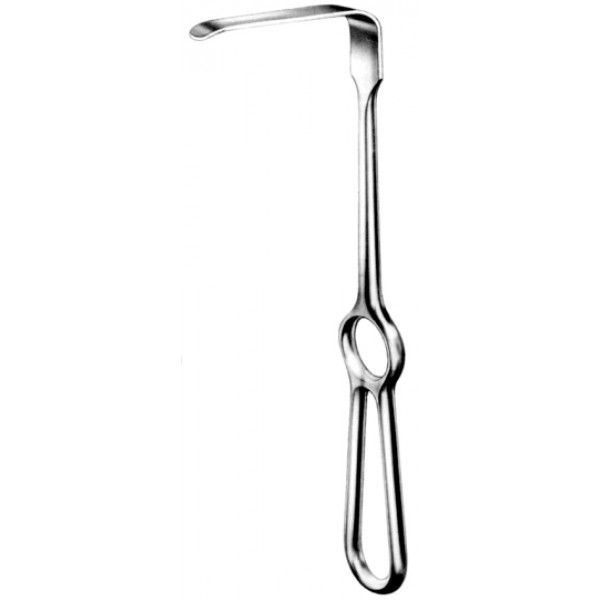
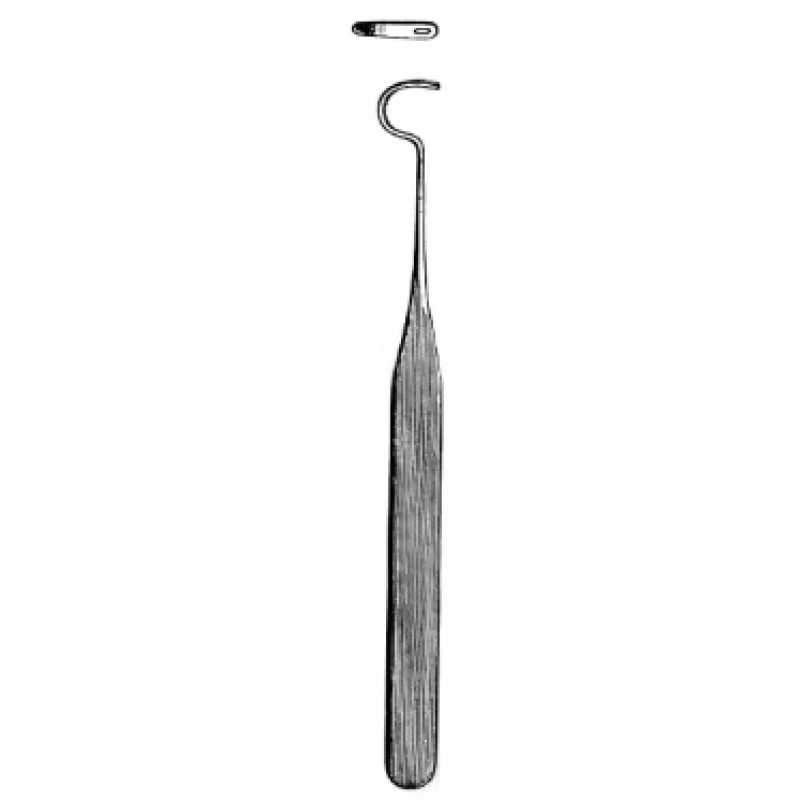
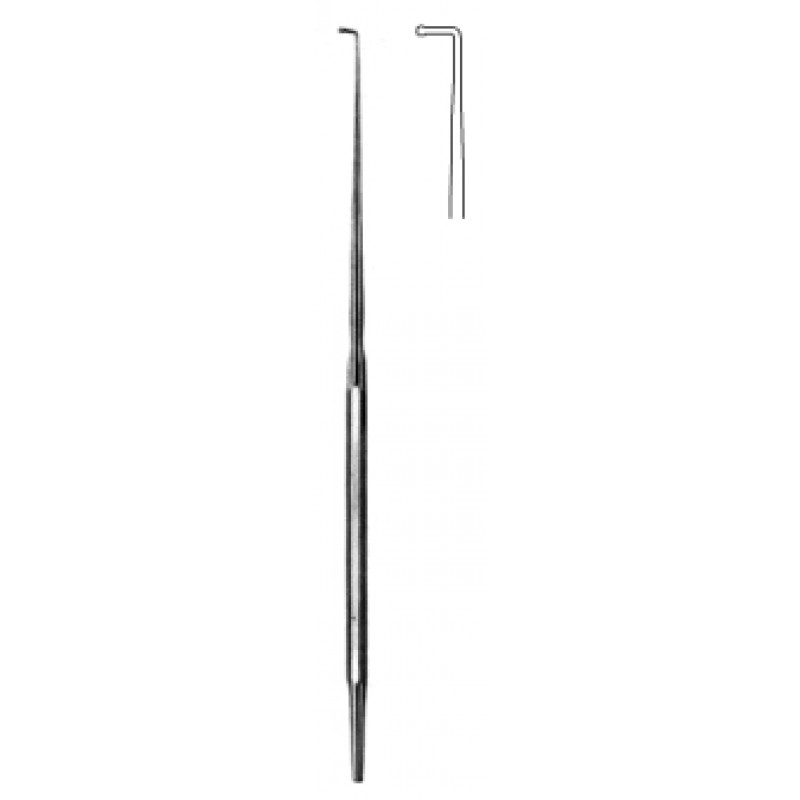
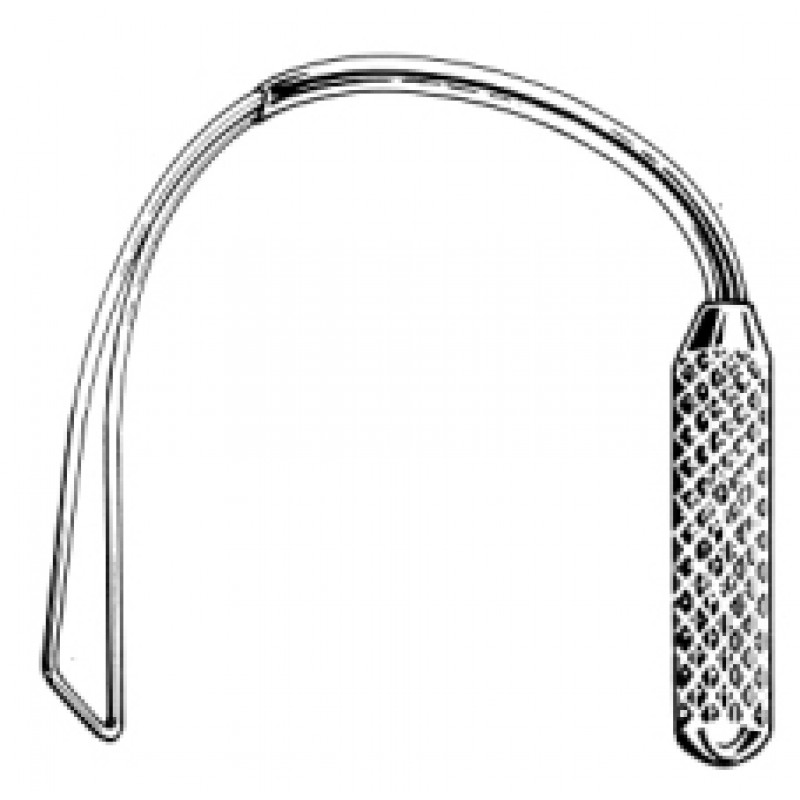
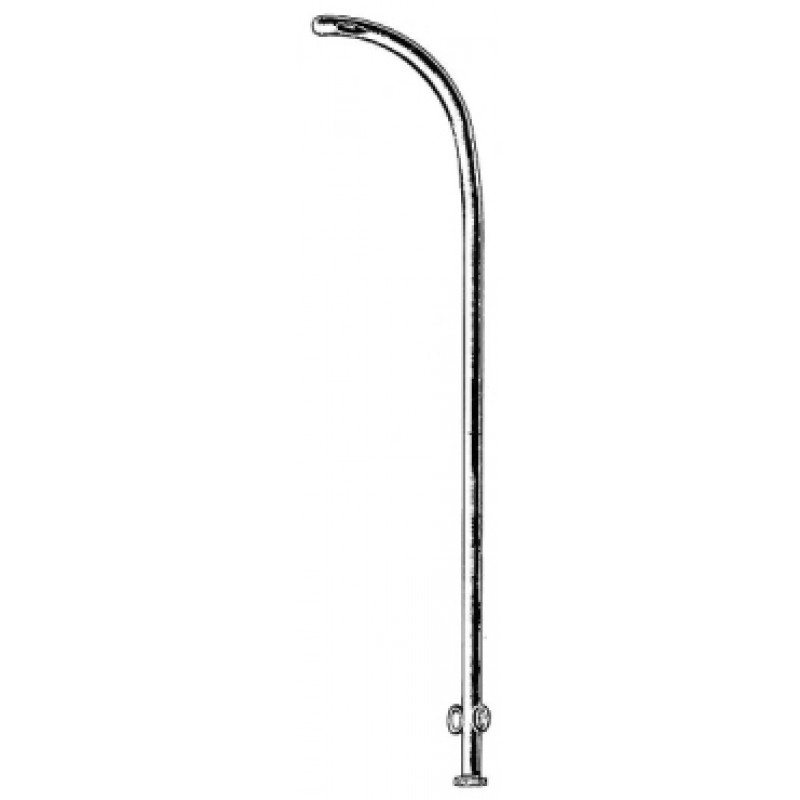
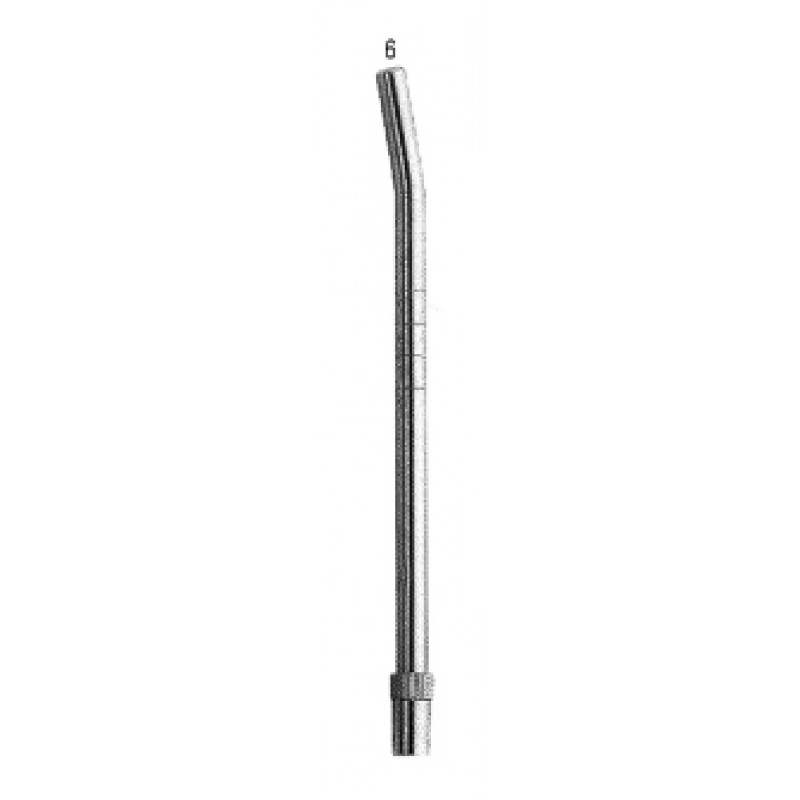
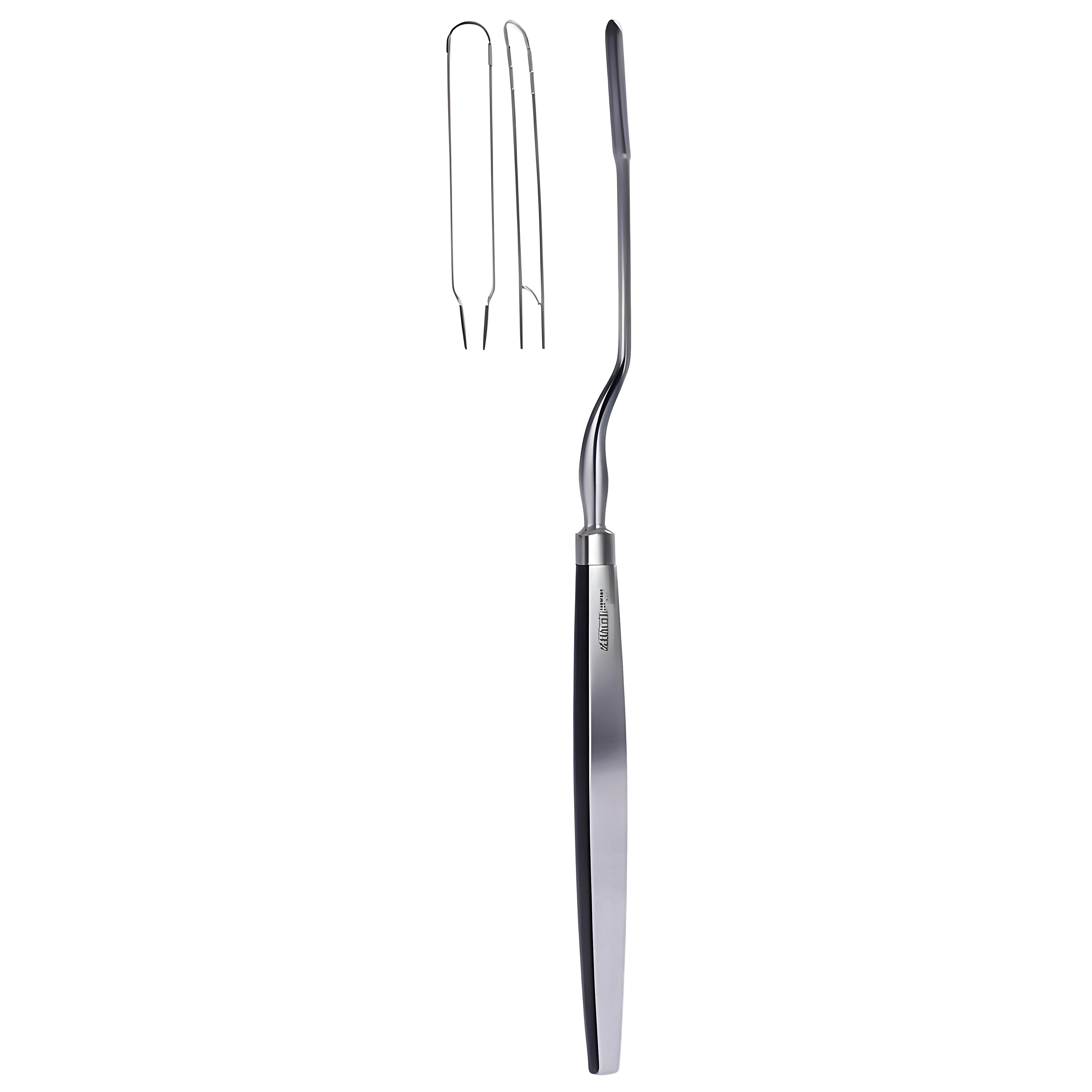
Designed for controlled submucosal and subperichondrial elevation of the nasal septum, this bayonet septum elevator is used routinely during septoplasty, rhinoplasty and other endonasal procedures where precise mucoperichondrial flap elevation is required. The instrument permits blunt dissection along cartilage and bony septal planes while minimizing mucosal tears and facilitating consistent flap elevation for grafting or cartilage reshaping.
Design & Configuration
The bayonet (offset) shaft geometry keeps the surgeon’s hands and fingers clear of the line of sight, providing unobstructed visualization of the nasal cavity under loupe or microscope. A length of 22 cm offers adequate reach to anterior and posterior septal regions while maintaining ergonomic control. The fine elevator tip is optimized for atraumatic, tactile separation of soft tissue from cartilage and bone, allowing precise flap initiation and extension without excessive force.
Instrument Specifications
- Instrument type: Septum elevator
- Pattern / model: Joseph Masing bayonet
- Configuration: Bayonet (offset shaft)
- Length: 22 cm
- Tip pattern: Fine elevator tip for mucoperichondrial/periosteal elevation
- Typical use: Septoplasty, rhinoplasty, endonasal mucosal elevation
- Material: Surgical-grade stainless steel
- Reusable: Yes (autoclavable)
Material & Construction
Manufactured from surgical-grade stainless steel with a precision-forged working end to preserve tip geometry and tactile feedback during dissection. The construction supports repeated sterilization cycles and clinical reuse when processed according to facility sterilization protocols.
Quality & Compliance
Manufactured by FDA-registered OEM facilities and produced under strict quality control standards.
Brand Comparison
Comparable in form and function to equivalent instruments offered by major US medical suppliers.
Availability & Returns
- In-stock lead time: ships within ~1 week
- Out-of-stock lead time: 2–4 weeks
- Returns: 30-day return policy