
Clinical Application
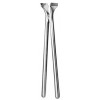
This two-prong diagnostic instrument is used to evaluate auditory function and peripheral vibratory sensation at the bedside or in clinic. The 256 Hz frequency is commonly employed for Rinne and Weber tuning-fork tests to differentiate conductive versus sensorineural hearing loss and for gross assessment of vibration sense in patients with neuropathy or spinal cord pathology. Its stem permits direct contact with the mastoid or forehead for accurate bone-conduction testing and localization.
Design & Configuration
The fork’s balanced two-prong geometry produces a sustained, low-frequency vibration ideal for clinical testing. The stem provides a focused contact point for bone conduction without dampening the tines’ resonance. The Hartmann pattern's simple, single-piece construction minimizes energy loss at joints and supports consistent activation and transfer of vibratory energy to bone or soft tissue, improving repeatability of bedside tests.
Instrument Specifications
- Instrument type: Tuning fork
- Pattern / model: Hartmann C 256
- Configuration: Two-prong fork with stem (single-piece)
- Frequency: 256 Hz
- Typical use: Rinne and Weber auditory tests; assessment of vibratory sensation
- Reusable: Yes
Material & Construction
Constructed as a single-piece metal fork engineered for consistent resonance and long vibration decay time at 256 Hz. The durable finish resists surface wear and facilitates routine clinical handling. Designed for repeated use with appropriate cleaning and reprocessing according to facility protocols.
Quality & Compliance
Manufactured by FDA-registered OEM facilities and produced under strict quality control standards.
Brand Comparison
Comparable in form and function to equivalent instruments offered by major US medical suppliers.
Availability & Returns
- In-stock lead time: ships within ~1 week
- Out-of-stock lead time: 2–4 weeks
- Returns: 30-day return policy