
Clinical Application
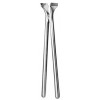
This 128 Hz tuning fork is used for bedside and perioperative sensory assessment. It is optimized for testing vibratory perception in neurology and peripheral neuropathy screening (diabetic, alcoholic, and compressive neuropathies), and for basic otologic assessments such as Rinne and Weber tests to evaluate bone conduction. In perioperative settings it can aid rapid neurosensory checks and confirm return of vibratory sensation following regional anesthesia or nerve repair procedures.
Design & Configuration
The two-pronged U-shaped geometry produces a clear, sustained vibration at 128 Hz when struck, a frequency well-suited to clinical testing of peripheral vibration sense. The rigid stem provides a secure point for striking and precise placement against bony landmarks (e.g., medial malleolus, distal phalanx, mastoid), enabling reproducible contact and reliable bedside comparisons. The simple, single-piece form factor minimizes damping and facilitates fast, repeatable examinations.
Instrument Specifications
- Model: Hartmann C128 (128 Hz)
- Configuration: Two-pronged tuning fork with stem handle
- Intended tests: Rinne, Weber, vibratory sense assessment
- Reusable diagnostic instrument for clinical environments
Material & Construction
Manufactured from a durable, high-grade tempered steel alloy to provide consistent resonance and long service life. The single-piece construction resists deformation and is suitable for routine clinical cleaning and disinfection per facility protocols. Reusable design supports repeated clinical use.
Quality & Compliance
Manufactured by FDA-registered OEM facilities and produced under strict quality control standards.
Brand Comparison
Comparable in form and function to equivalent instruments offered by major US medical suppliers.
Availability & Returns
- In-stock lead time: ships within ~1 week
- Out-of-stock lead time: 2–4 weeks
- Returns: 30-day return policy