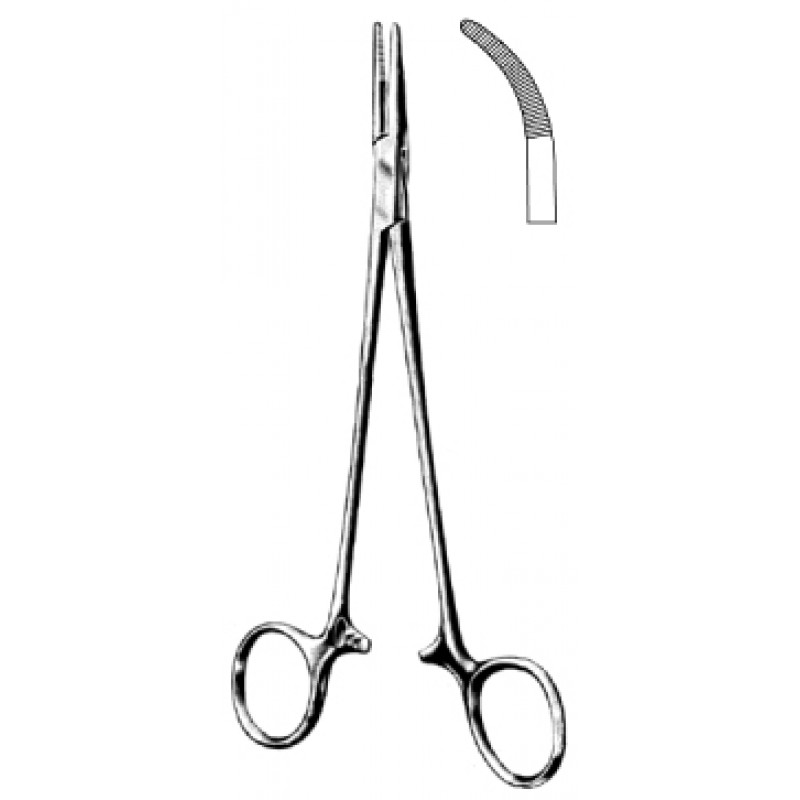
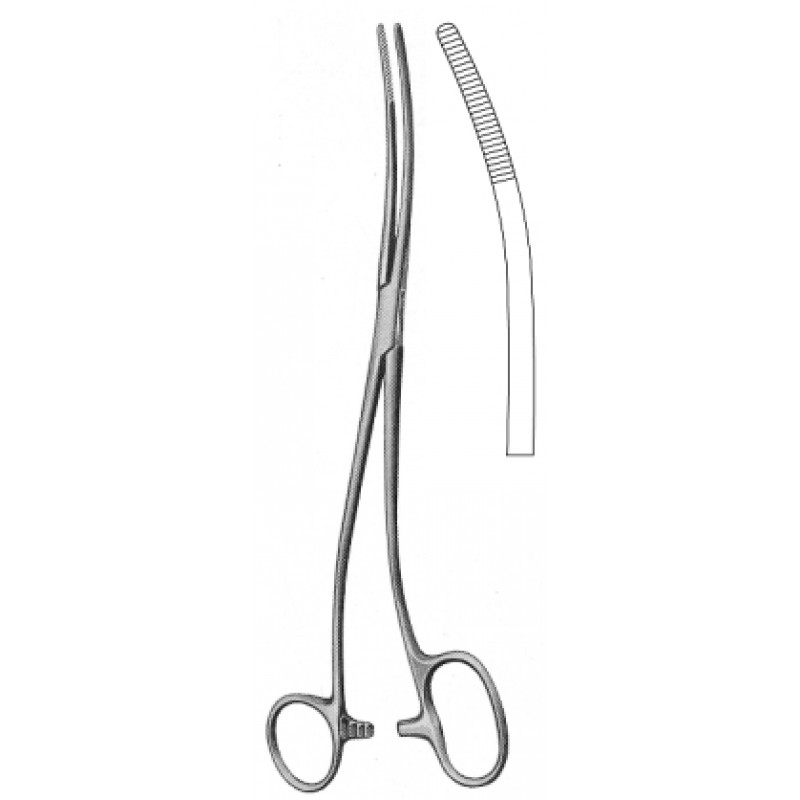
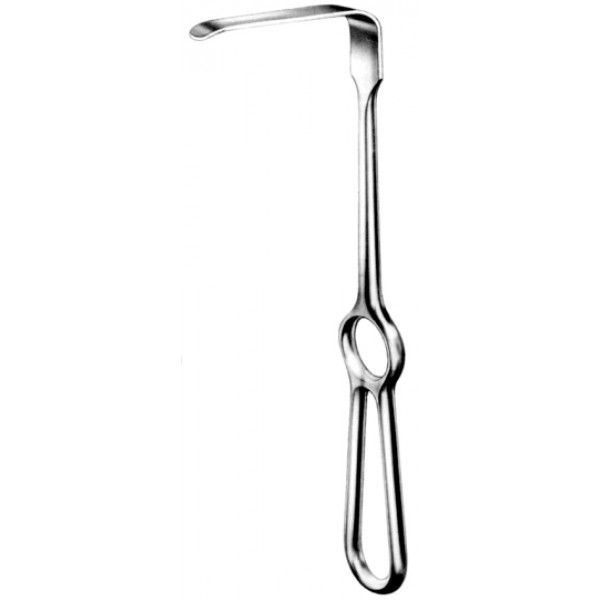
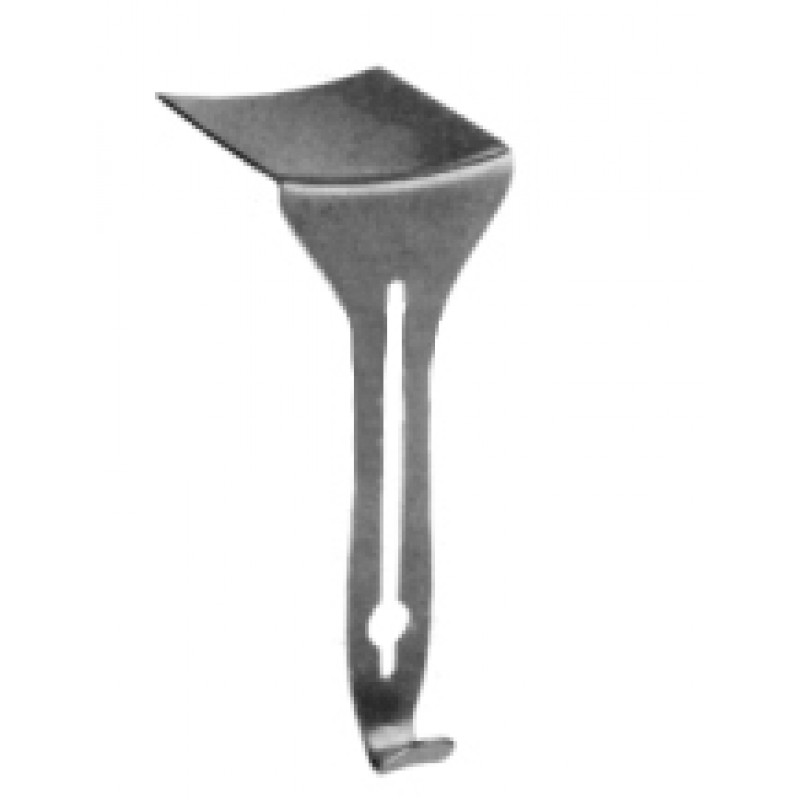

Clinical Application
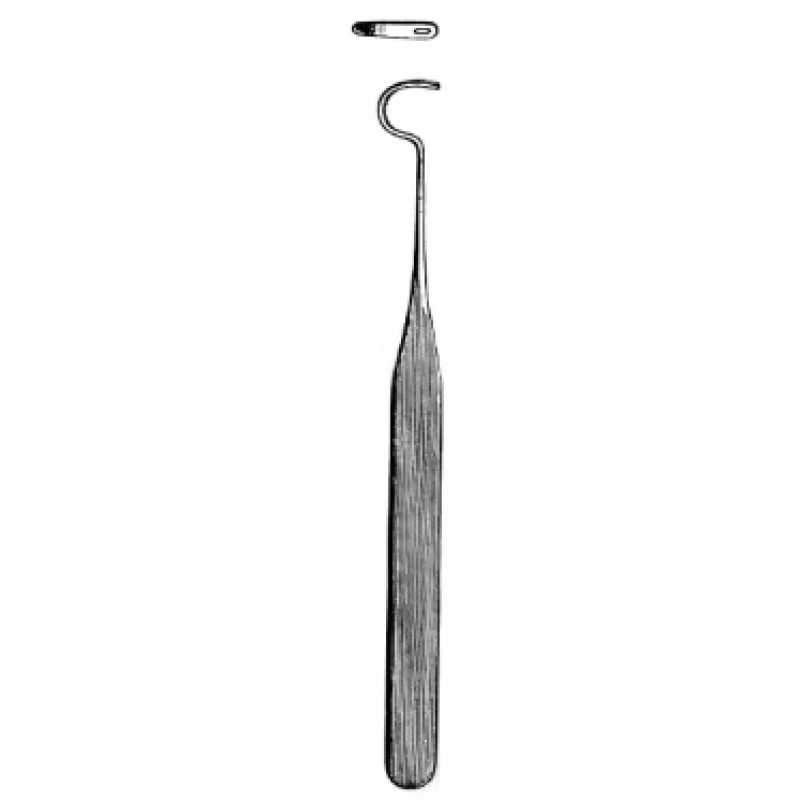
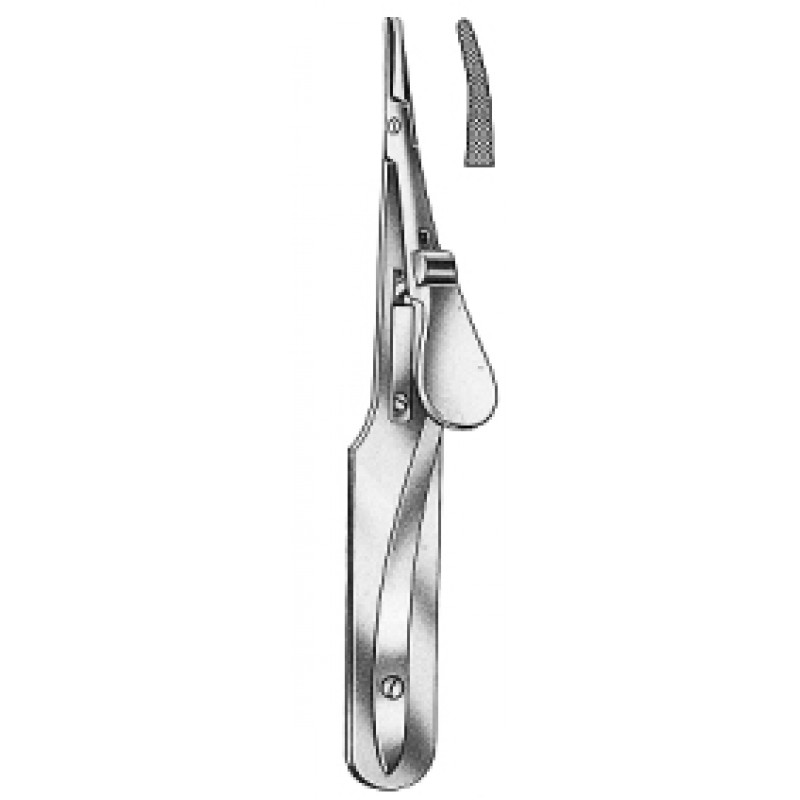
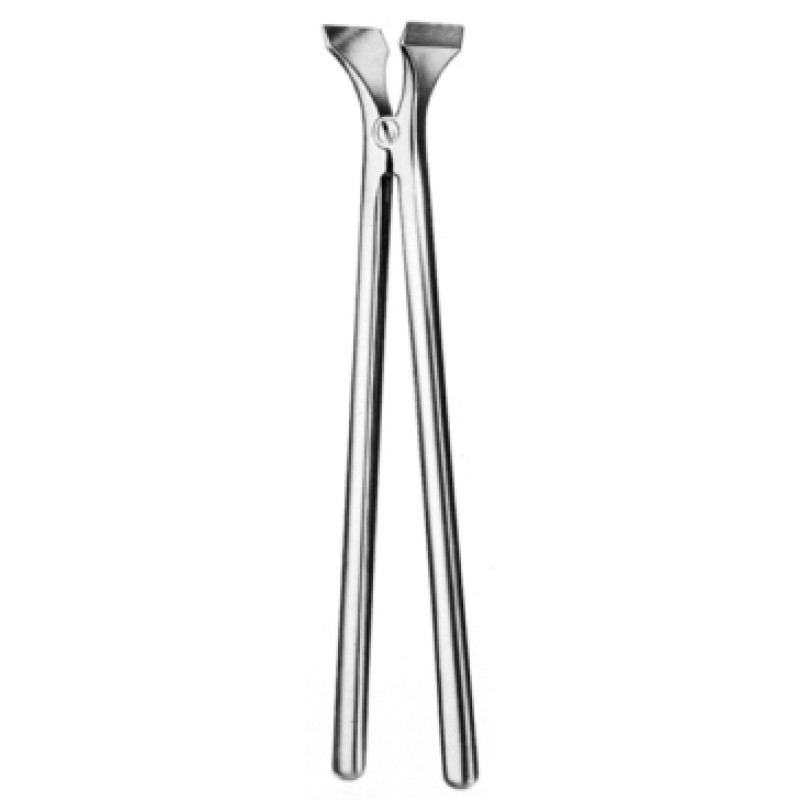
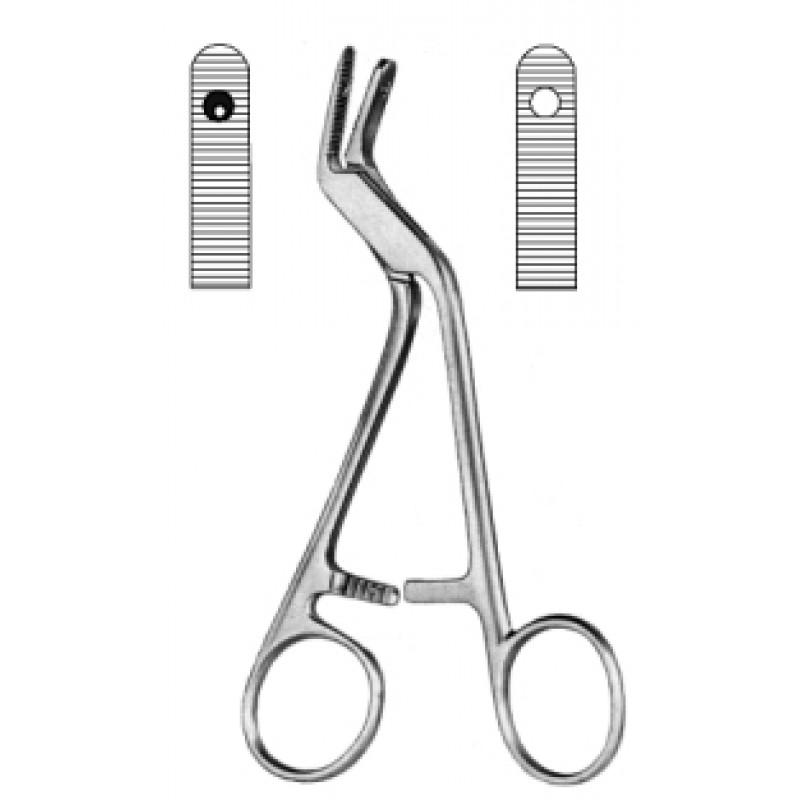
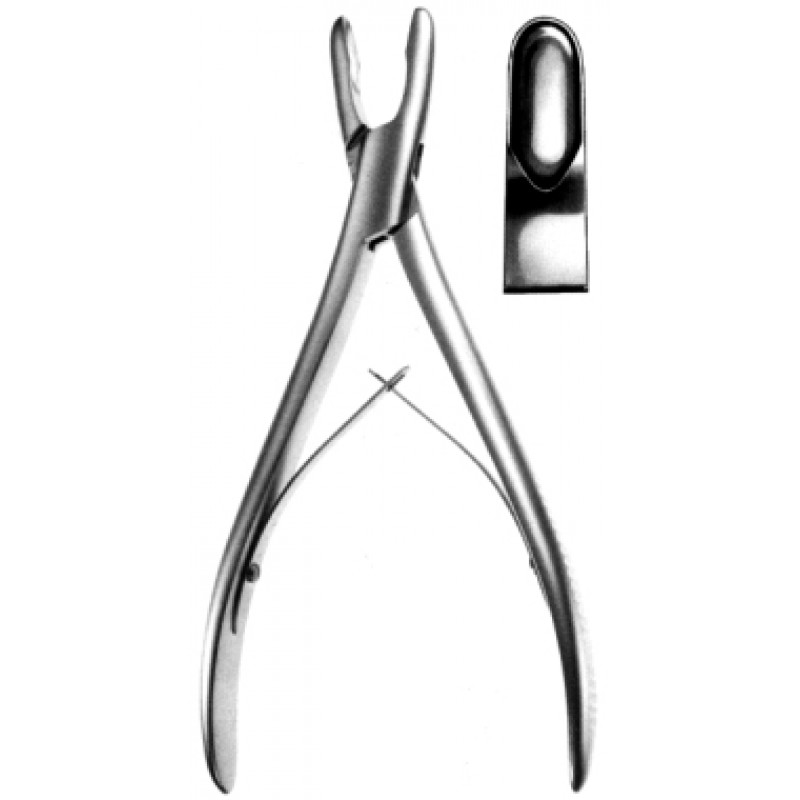
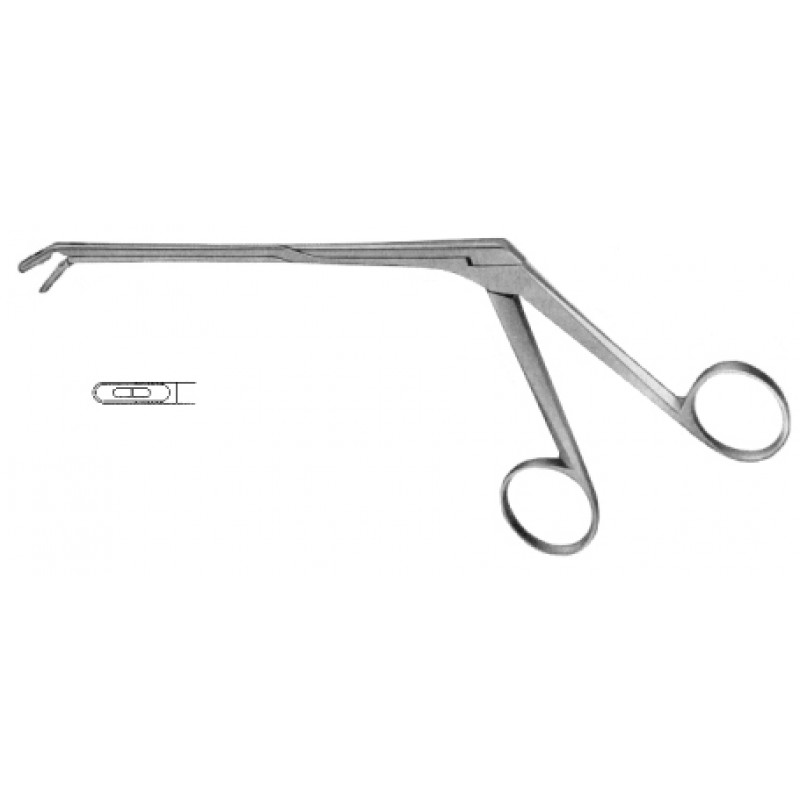
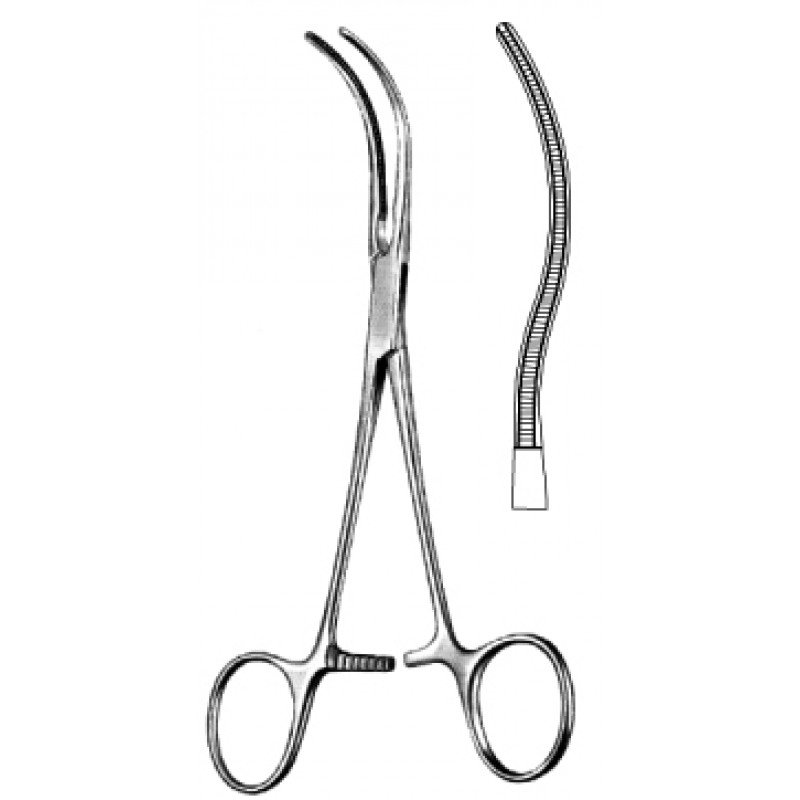
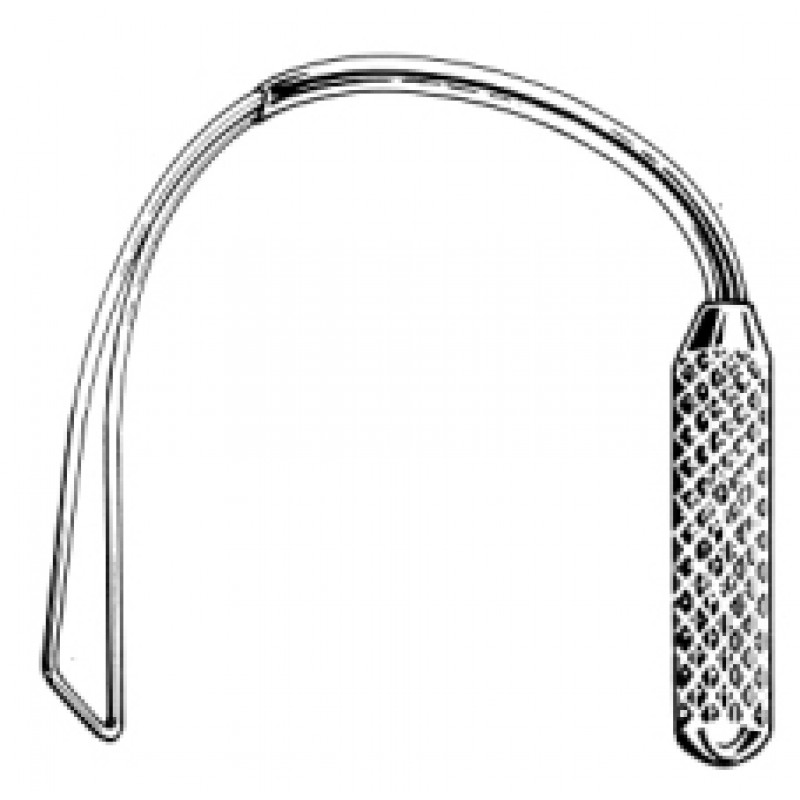
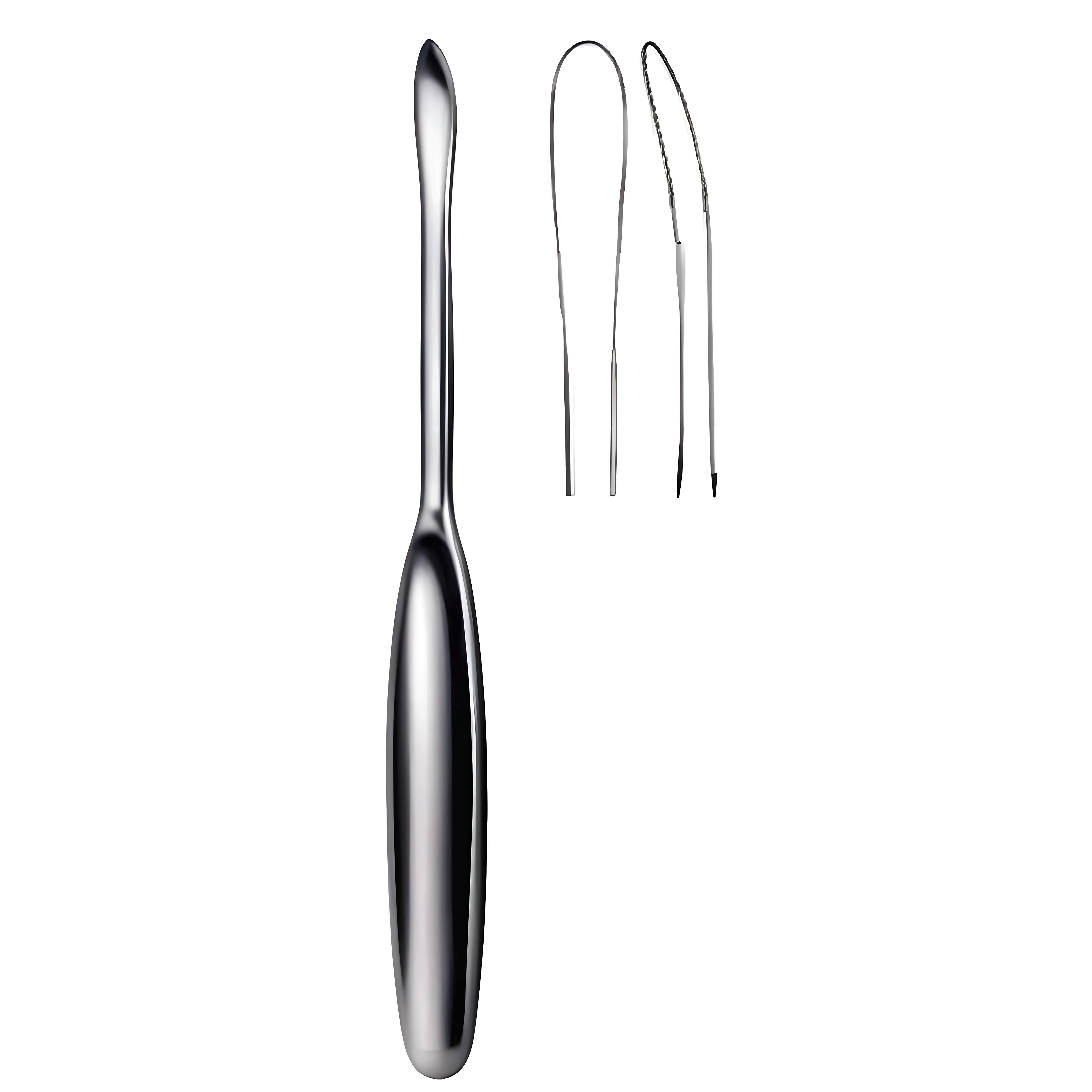
Small, flat elevators with a 7 mm working end are used to elevate periosteum, mobilize soft tissues, and create plane separation between tissue layers in confined surgical fields. This pattern is commonly employed in oral and maxillofacial procedures, otolaryngology, plastic surgery, hand surgery, and minor orthopedic cases where precise, controlled elevation or blunt dissection is required. The narrow blade profile helps minimize collateral tissue trauma while providing effective leverage for tissue reflection and minor retraction.
Design & Configuration
The narrow 7 mm blade provides a fine working edge for targeted elevation and delicate dissection in tight anatomical spaces. A 17 cm overall length balances reach with tactile control, allowing the surgeon to access deeper pockets while maintaining direct feedback at the tip. The flat elevator-style blade transfers controlled leverage to the tissue surface, and a rigid shaft prevents unwanted flex during elevation maneuvers—important when working against periosteum or fibrous attachments.
Instrument Specifications
- Pattern: Martin Langenbeck elevator
- Working end width: 7 mm
- Overall length: 17 cm
- Primary functions: periosteal elevation, soft-tissue dissection, gentle retraction
- Construction: reusable stainless steel instrument
Material & Construction
Constructed from surgical-grade stainless steel for corrosion resistance and long-term durability. The single-piece working end and shaft provide rigidity required for reliable leverage during elevation. Designed for repeated sterilization cycles and routine surgical reprocessing.
Quality & Compliance
Manufactured by FDA-registered OEM facilities and produced under strict quality control standards.
Brand Comparison
Comparable in form and function to equivalent instruments offered by major US medical suppliers.
Availability & Returns
- In-stock lead time: ships within ~1 week
- Out-of-stock lead time: 2–4 weeks
- Returns: 30-day return policy