
Clinical Application
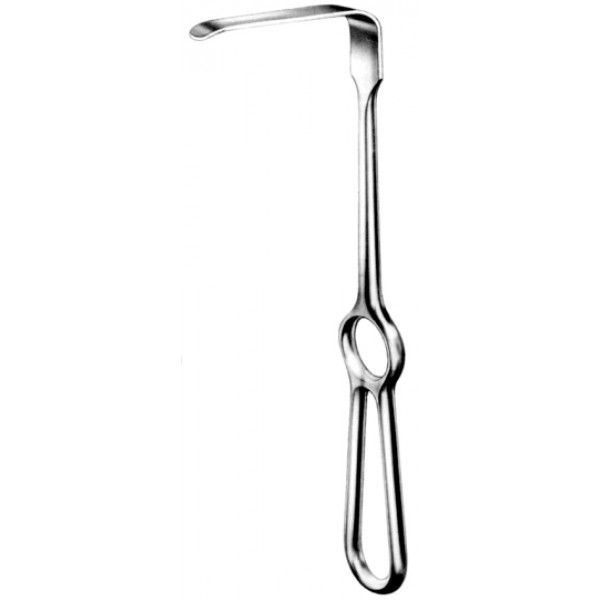
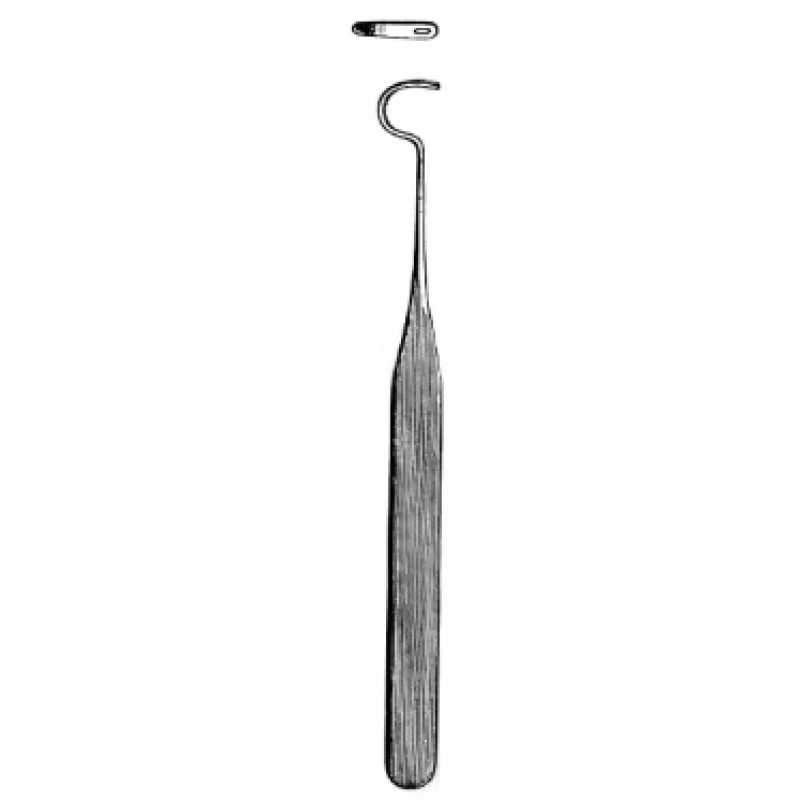
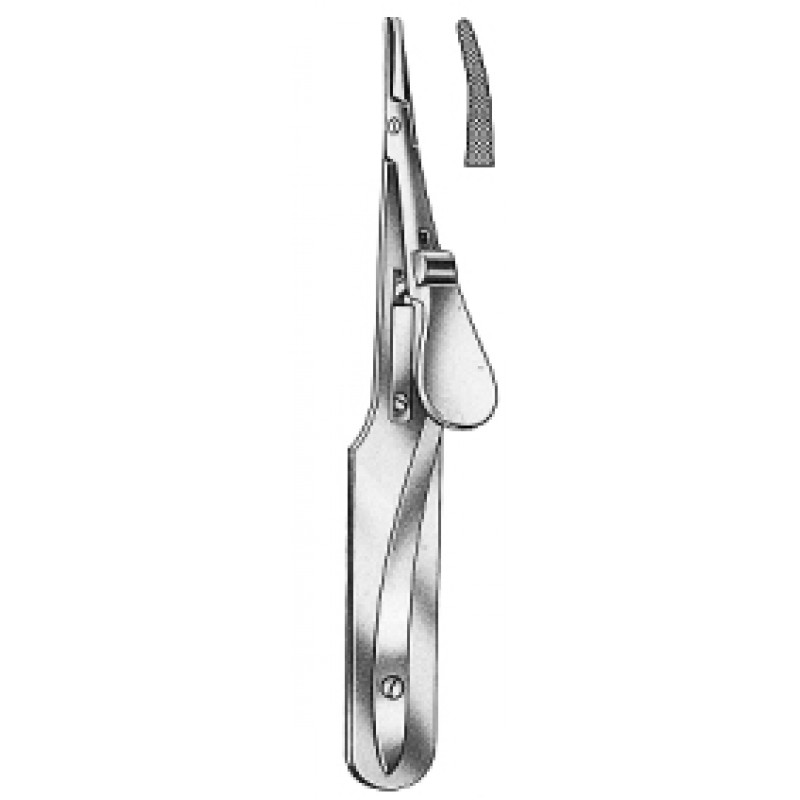
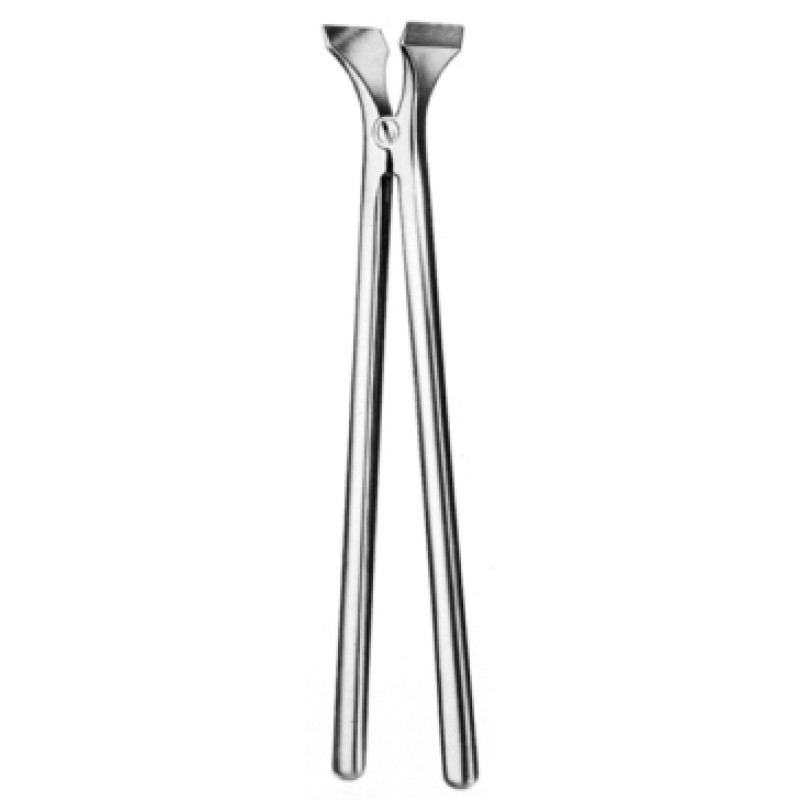
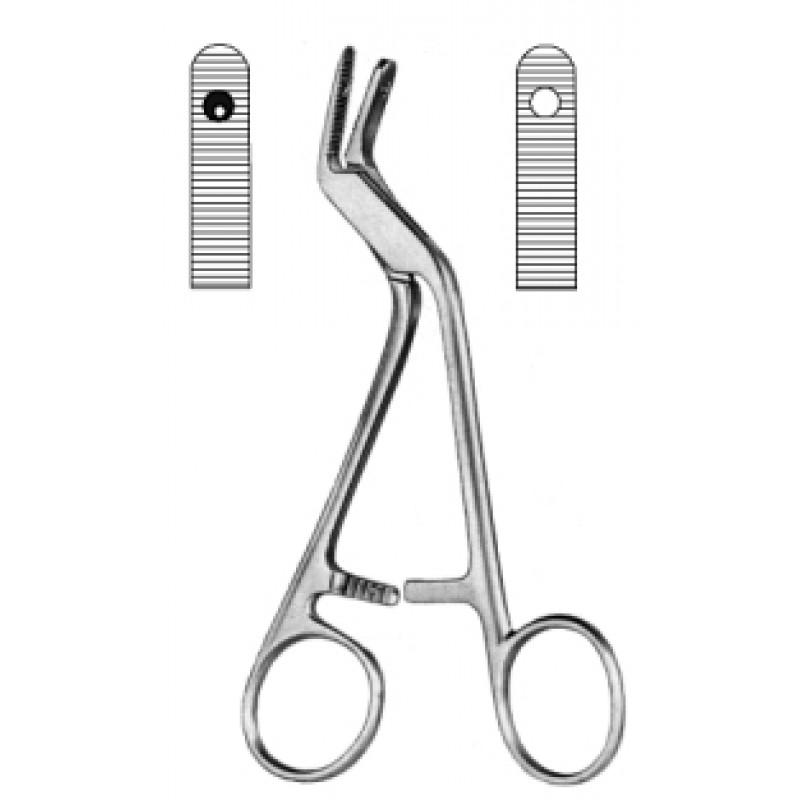
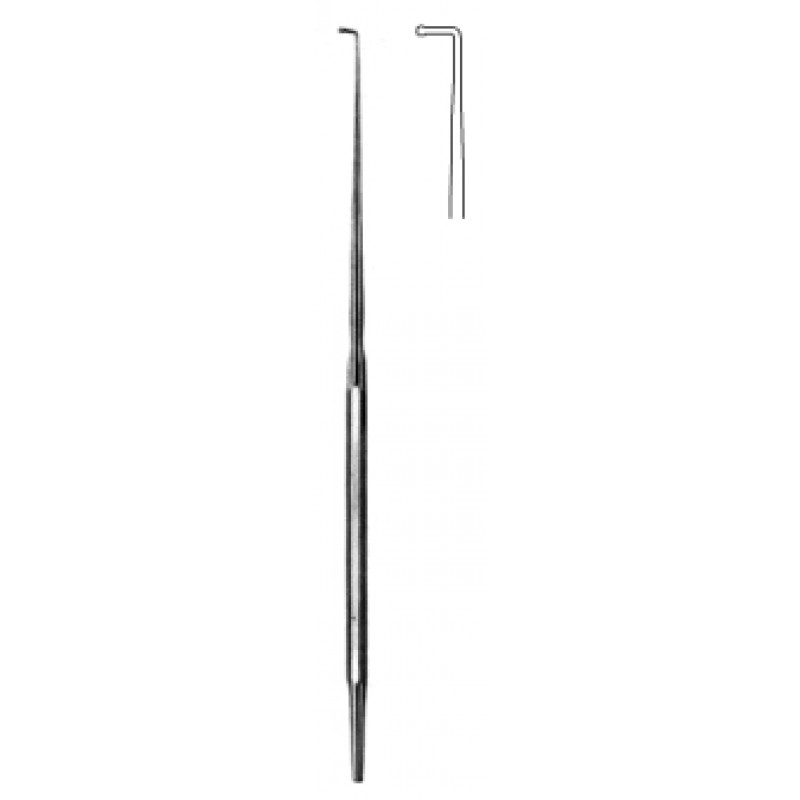
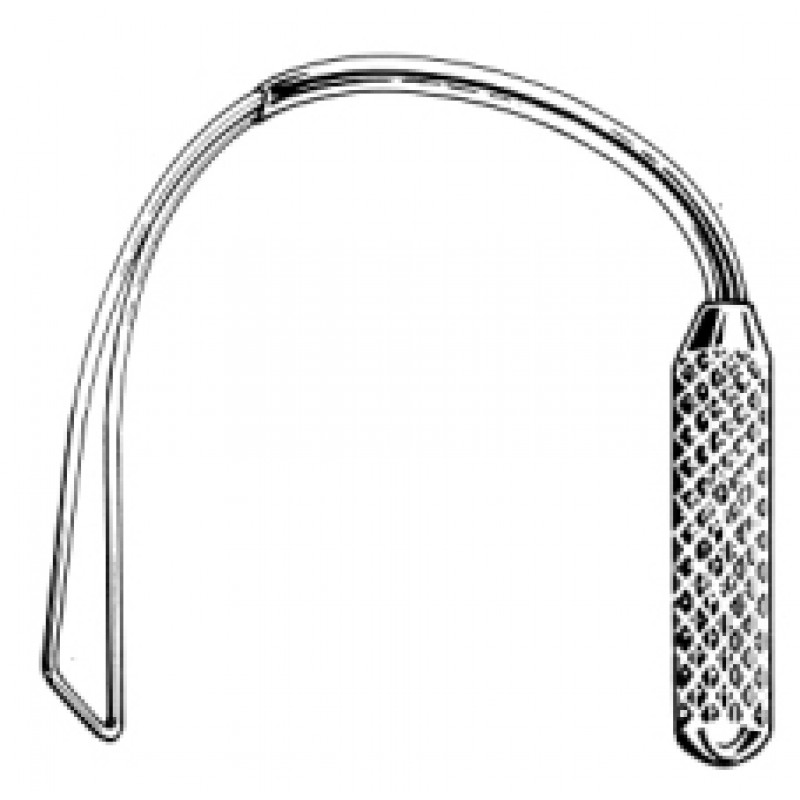
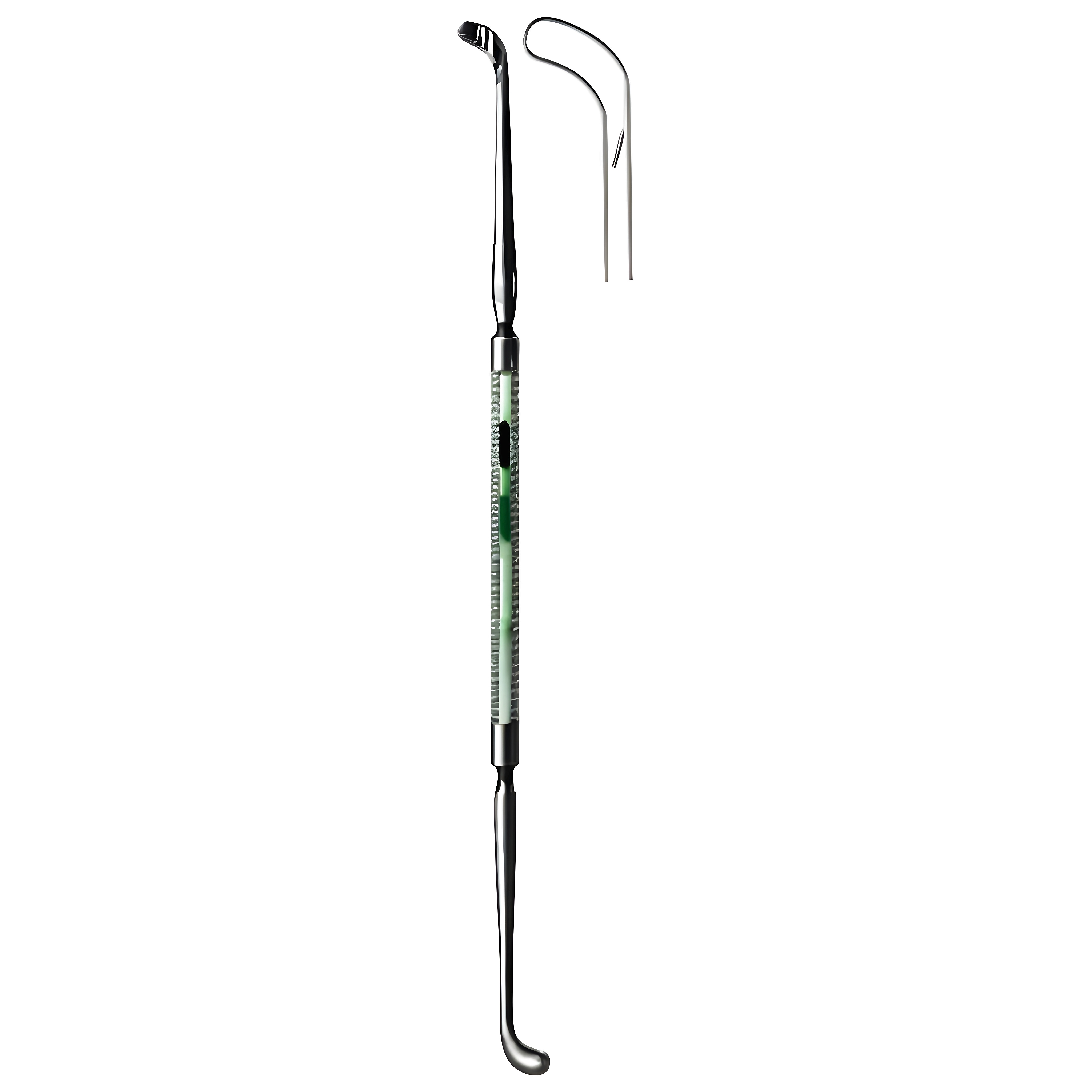
A Pennington periosteal elevator is used to elevate and reflect periosteum and other soft tissues from bone surfaces to create exposure during dissection. Its geometry is well suited for controlled lifting and blunt dissection around delicate structures in procedures such as septoplasty, rhinoplasty, sinus surgery, oral and maxillofacial surgery, dental surgery and select orthopedic or craniofacial exposures where precise tissue elevation is required.
Design & Configuration
The double-ended format provides opposing working tips or angles without changing instruments, improving efficiency in confined surgical fields. The Pennington-style triangular elevator tip offers a broad, tapered face that spreads force over tissue for atraumatic elevation while permitting precise engagement of periosteum along bone contours. The 21 cm overall length gives extended reach into deeper cavities while maintaining tactile control at the handle.
Instrument Specifications
- Type: Periosteal elevator, Pennington pattern
- Configuration: Double-ended for opposing working angles
- Overall length: 21 cm
- Primary use: Periosteal and soft-tissue elevation for bone exposure
- Construction: Reusable stainless steel
Material & Construction
Manufactured from surgical-grade stainless steel to provide corrosion resistance and durability through repeated sterilization cycles. The instrument is designed for reusable clinical use and can be processed in standard steam sterilization (autoclave) workflows typical for stainless steel surgical instruments.
Quality & Compliance
Manufactured by FDA-registered OEM facilities and produced under strict quality control standards.
Brand Comparison
Comparable in form and function to equivalent instruments offered by major US medical suppliers.
Availability & Returns
- In-stock lead time: ships within ~1 week
- Out-of-stock lead time: 2–4 weeks
- Returns: 30-day return policy