
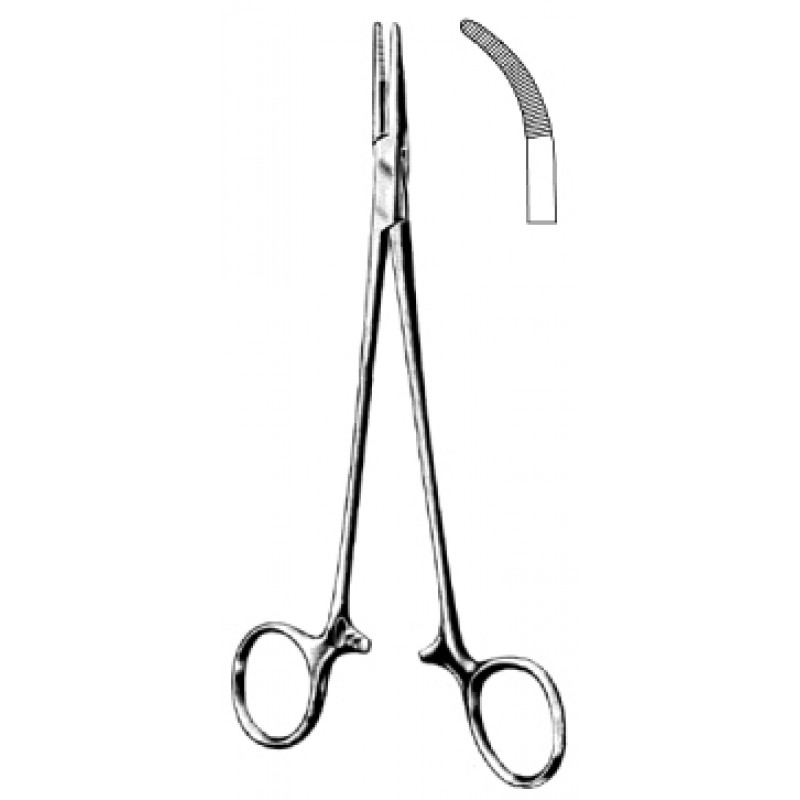
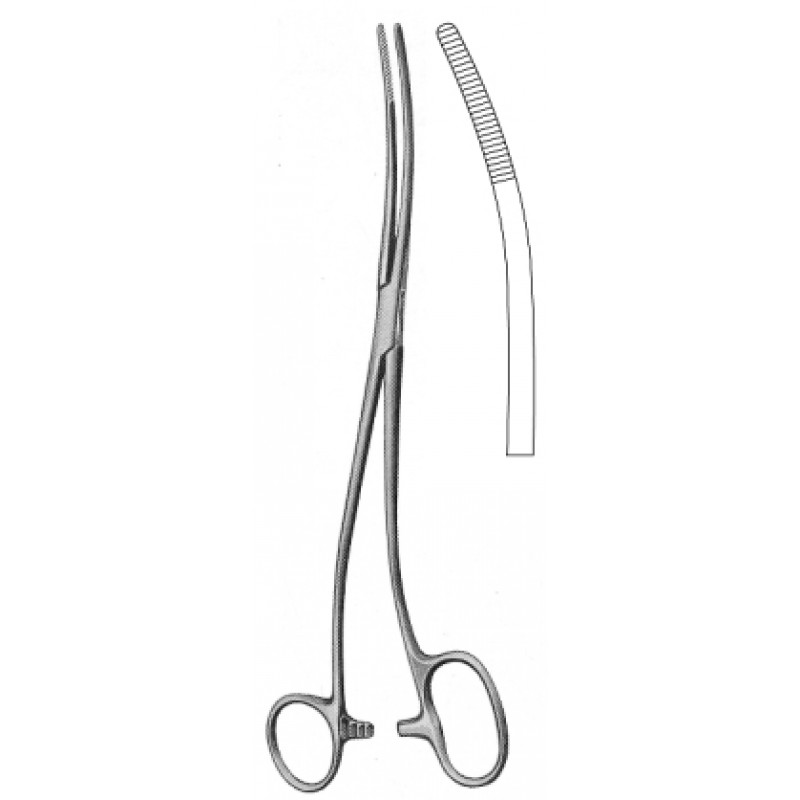
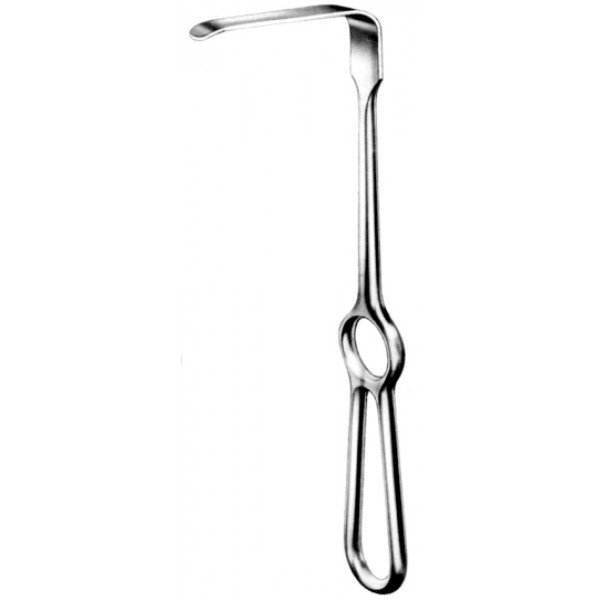
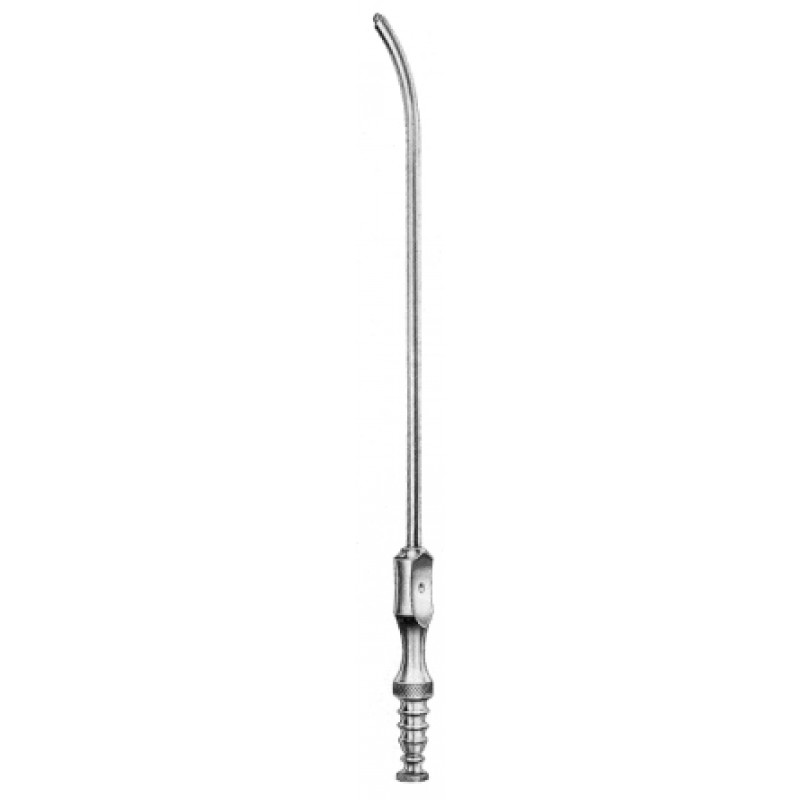


Needle holders — also called needle drivers — are the instrument a surgeon relies on for every stitch. Their job is to grip a curved suture needle firmly enough that it doesn't rotate or slip as it passes through tissue, while still letting the user reposition it quickly. Because suturing happens in almost every procedure, from skin closure to microsurgery, needle holders come in a wider range of patterns than almost any other instrument.
This guide covers the most common types of needle holders, how jaw design and size affect performance, and what to look for when sourcing them in bulk.
How Needle Holders Differ from Other Clamping Instruments
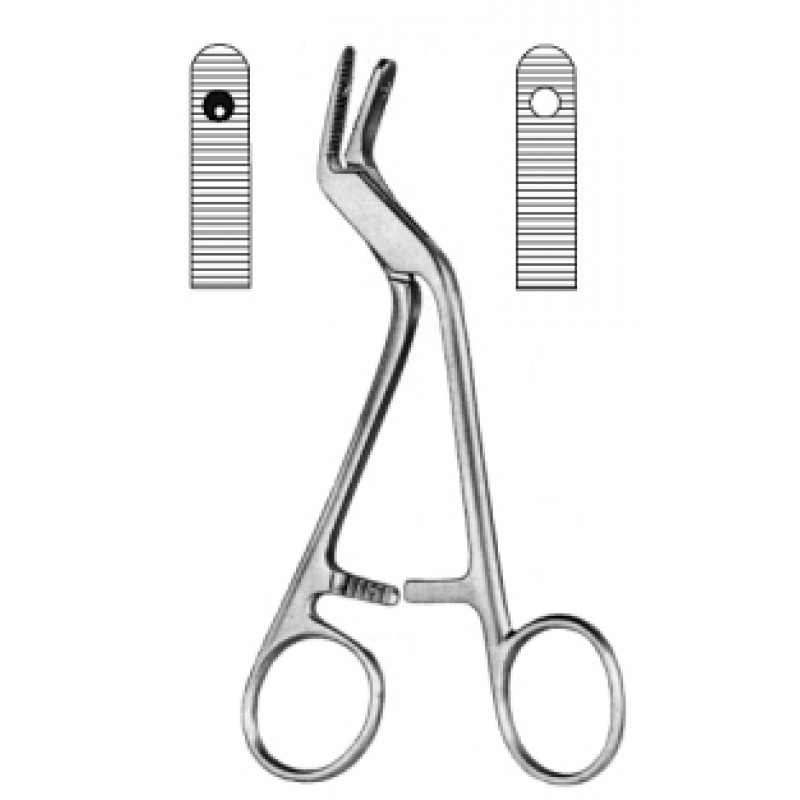
At a glance, many needle holders look like artery forceps — ring handles, a box joint, and a locking ratchet. The difference is in the jaws. Needle holder jaws are shorter and heavier relative to the handle length, which concentrates force at the tip, and they are faced with a fine cross-hatch serration (or a smooth surface for very fine needles) designed to hold a needle rather than tissue.
Using a hemostat to drive needles wears its jaws quickly and gives a less secure grip on the needle — and using a needle holder on tissue can crush it. Keeping the two separate protects both the patient and the instruments.
Common Types of Needle Holders
Most departments stock a handful of standard patterns:
- Mayo-Hegar — the general-purpose workhorse. Ring handles, a ratchet lock, and serrated jaws, available in a wide range of lengths. Used for medium and heavy needles in general surgery and wound closure.
- Olsen-Hegar — a Mayo-Hegar pattern with suture scissors built into the jaws behind the gripping surface, so the user can tie and cut without switching instruments. Popular for skin closure and minor procedures where there may be no assistant.
- Webster and Halsey — smaller, lighter patterns with fine jaws, available smooth or serrated. Common in plastic surgery, dermatology, and other work with fine sutures.
- Crile-Wood — a slim pattern with narrow jaws for fine to medium needles, often chosen for delicate general and vascular work.
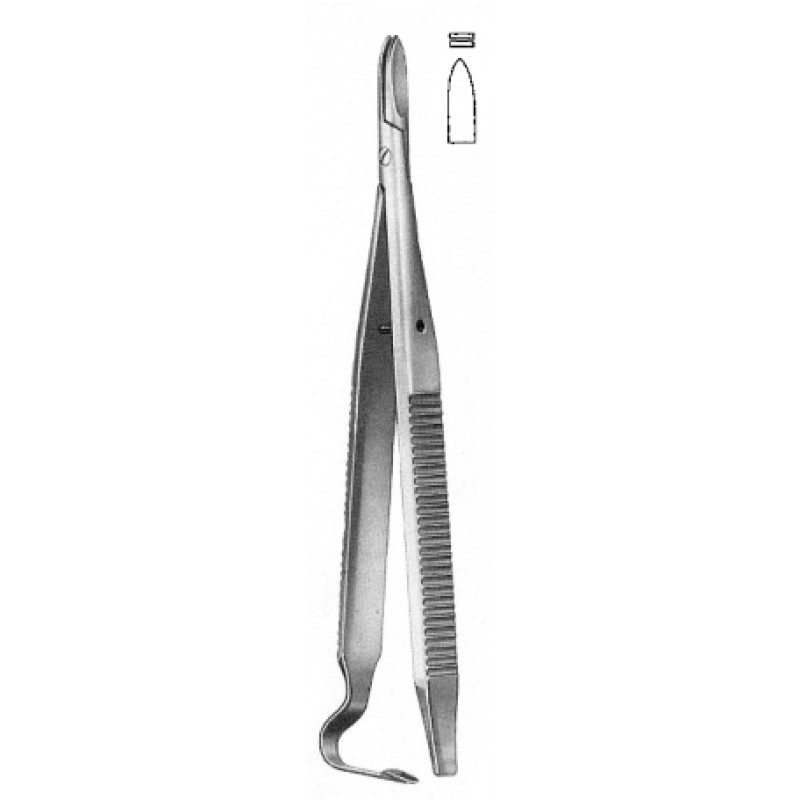
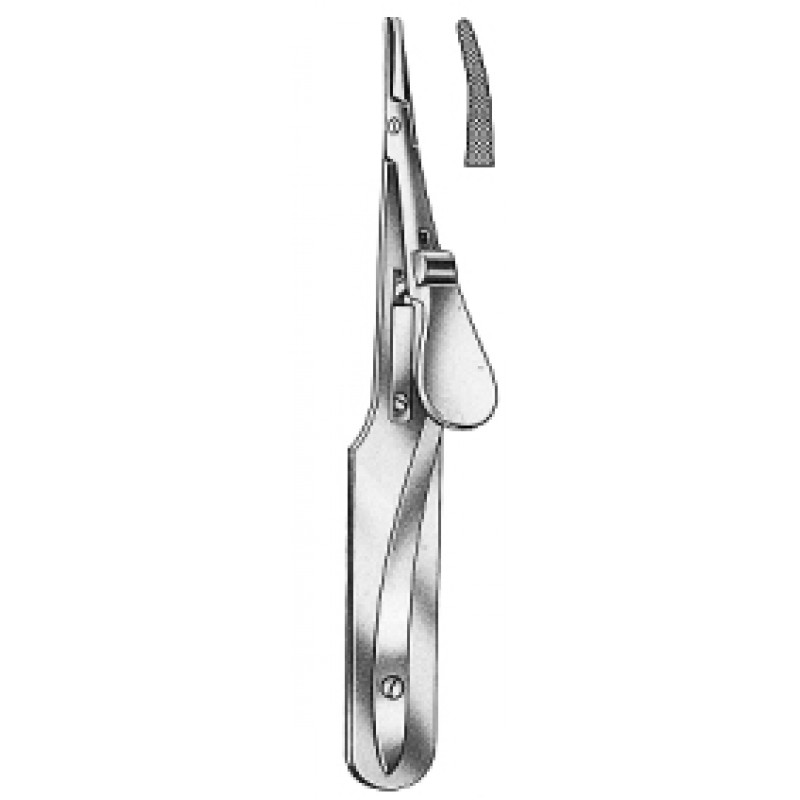
- Mathieu — a palm-grip design without finger rings. The ratchet locks and releases with successive squeezes of the handle, which suits fast, repetitive suturing, including in orthopedic and general surgery.
- Castroviejo — a spring-handled, pencil-grip needle holder for microsurgery and ophthalmic work. Available straight or curved, with or without a lock, and usually with fine smooth or lightly serrated jaws for very small needles.
- Long patterns (Finochietto, Heaney, Wangensteen and others) — extended lengths of 20 cm and more for suturing in deep cavities, such as thoracic, abdominal, and gynecological procedures.
Jaw Design: Serrated, Smooth, and Tungsten Carbide
Serrated jaws give the most secure hold and are the standard for general use with medium and large needles. Smooth jaws are used with very fine needles and sutures, where serrations could damage the needle or fray the suture. Some patterns add a longitudinal groove to help seat the needle.
Tungsten carbide (TC) inserts are hard, replaceable jaw faces brazed onto a stainless-steel instrument. They hold their grip pattern much longer than plain stainless steel and are often identified by gold-coloured handles. TC needle holders cost more up front but typically last longer in high-volume settings.
Matching Size to the Procedure
As a general rule, the needle holder should match the needle: fine jaws for fine needles, heavier jaws for larger needles. A holder that is too heavy can bend or flatten a small needle, while one that is too light won't hold a large needle securely and will wear prematurely.
Length follows the depth of the surgical site. Shorter holders (around 12–15 cm) suit superficial and skin work, mid-length holders (16–20 cm) cover most general procedures, and longer holders reach deep cavities. Curved jaws can also improve visibility and access in confined spaces.
What to Look for When Sourcing Needle Holders
Jaw alignment and grip. The jaws should meet evenly along their full length and hold a needle without rotating. Misaligned or worn jaws are the most common reason a needle holder gets pulled from service.
Ratchet quality. The lock should engage and release cleanly at each tooth and hold securely through repeated use and sterilization.
Range of patterns and lengths. Most facilities need several patterns in multiple lengths — general, fine, micro, and long. A supplier who carries the full range simplifies ordering and keeps sets consistent.
Material quality. Surgical-grade stainless steel that withstands repeated autoclave cycles without pitting, staining, or loosening at the box joint is the baseline. For TC instruments, confirm how the inserts are bonded.
Regulatory sourcing. As with any surgical instrument, it's reasonable to confirm that a wholesale supplier's needle holders are made by FDA-registered manufacturers.
Common Questions to Ask a Wholesale Supplier
- Are your needle holders manufactured by FDA-registered facilities?
- Which patterns and lengths do you carry (Mayo-Hegar, Olsen-Hegar, Webster, Mathieu, Castroviejo, and long patterns)?
- Are smooth, serrated, and tungsten carbide jaw options available?
- How are jaw alignment and ratchet function quality-checked?
- What's the typical lead time for bulk or repeat orders?
- Is there a manufacturer's warranty, and what does it cover?
Sourcing Needle Holders from Noval Medical
Noval Medical distributes a full range of needle holders and suture instruments — including Mayo-Hegar, Olsen-Hegar, Webster, Mathieu, Castroviejo, and long-pattern holders in multiple lengths — sourced from FDA-registered manufacturers, for hospitals, clinics, and distributors across North America.


Leave a Comment