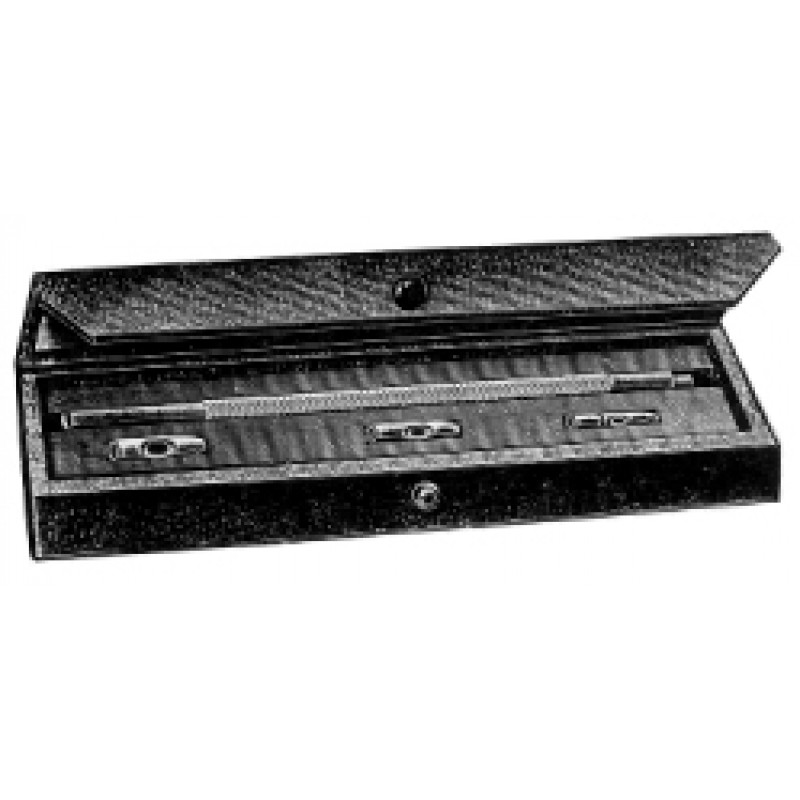
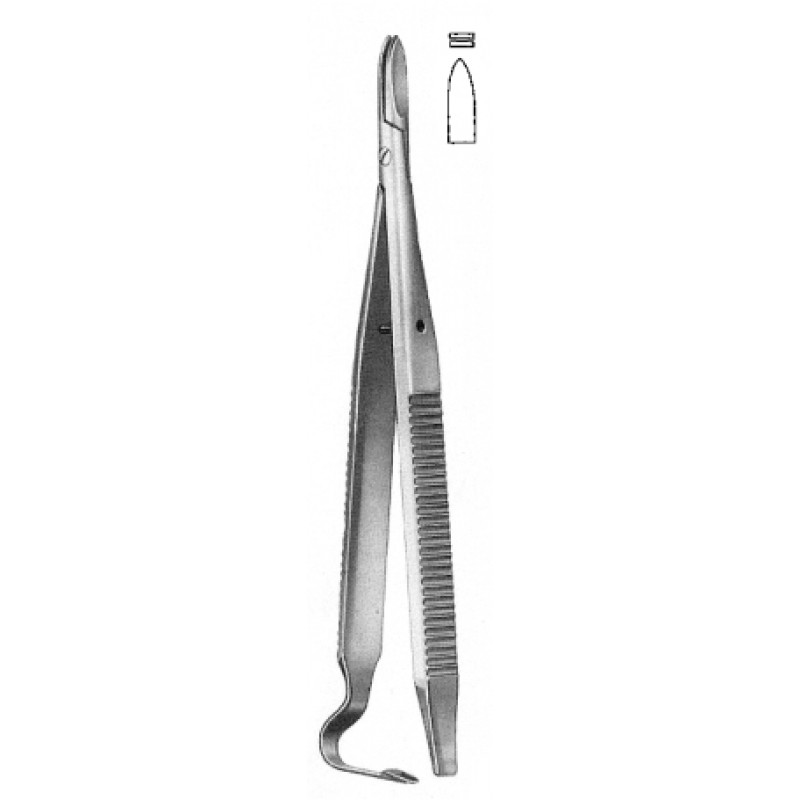
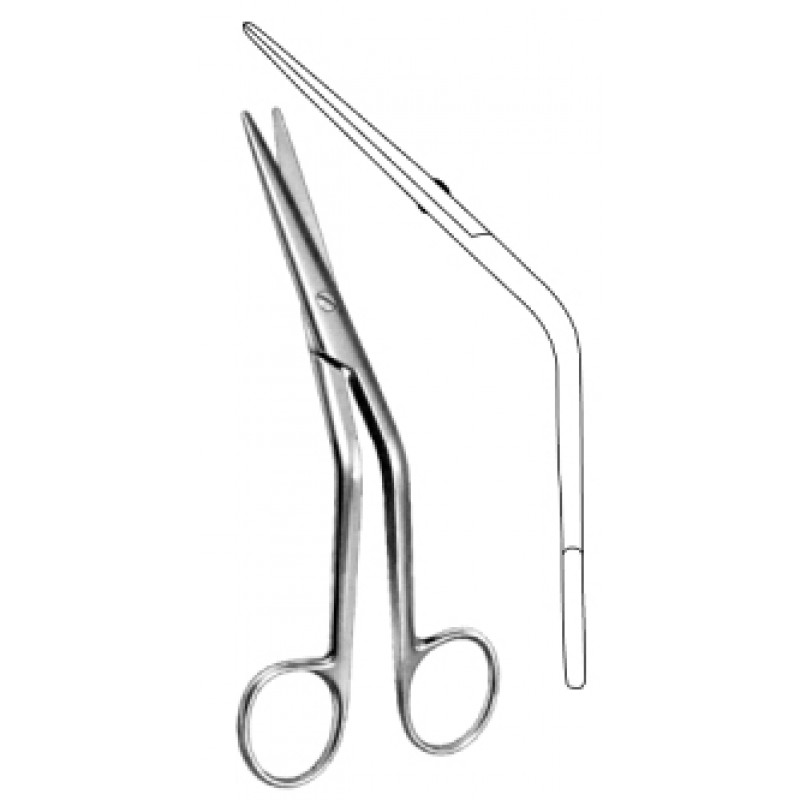
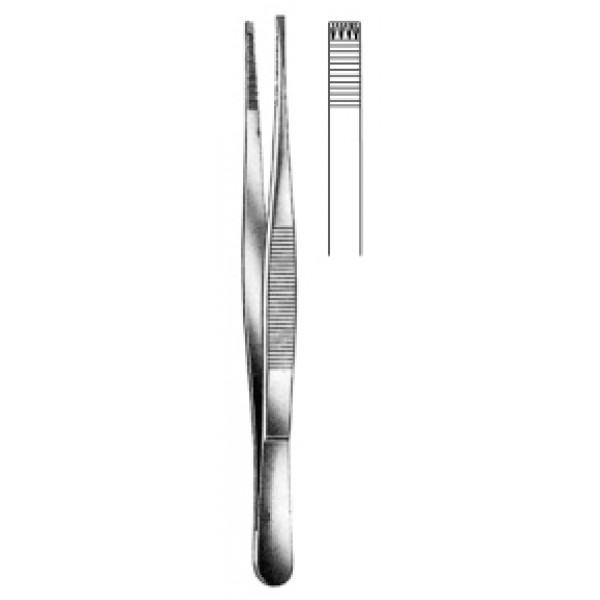
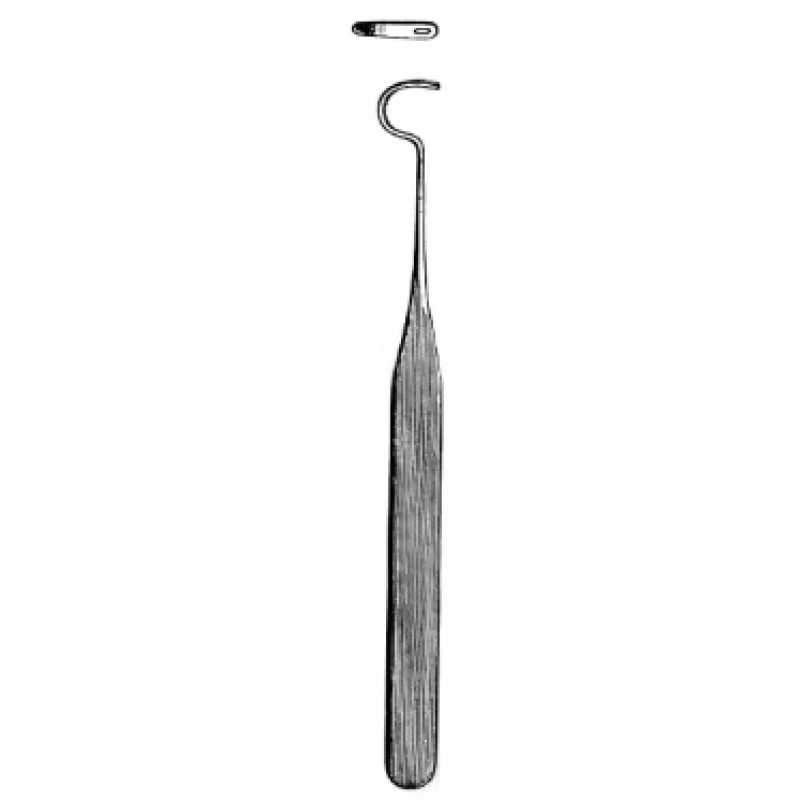
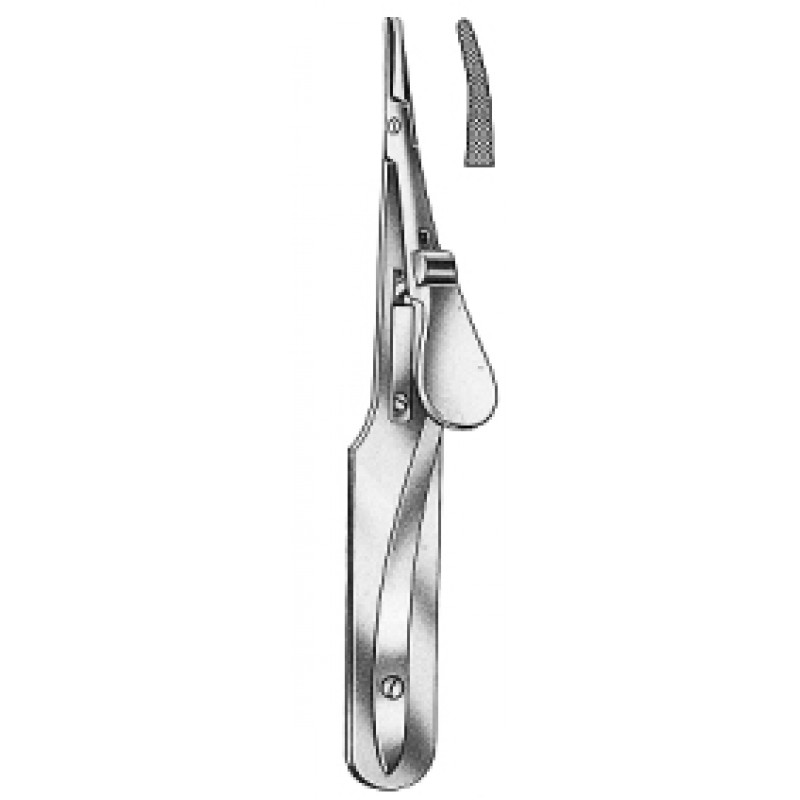
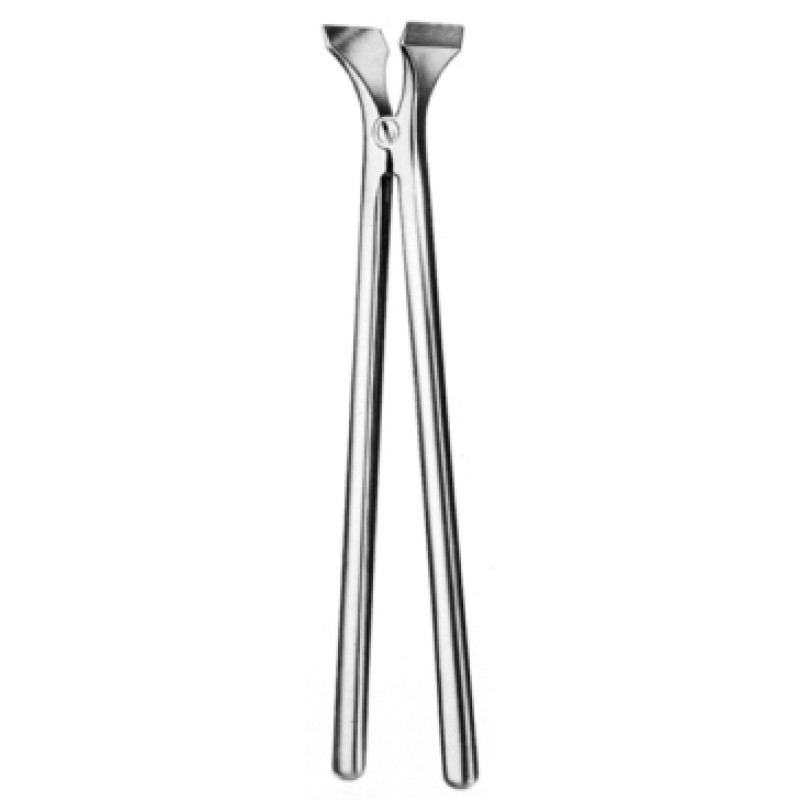
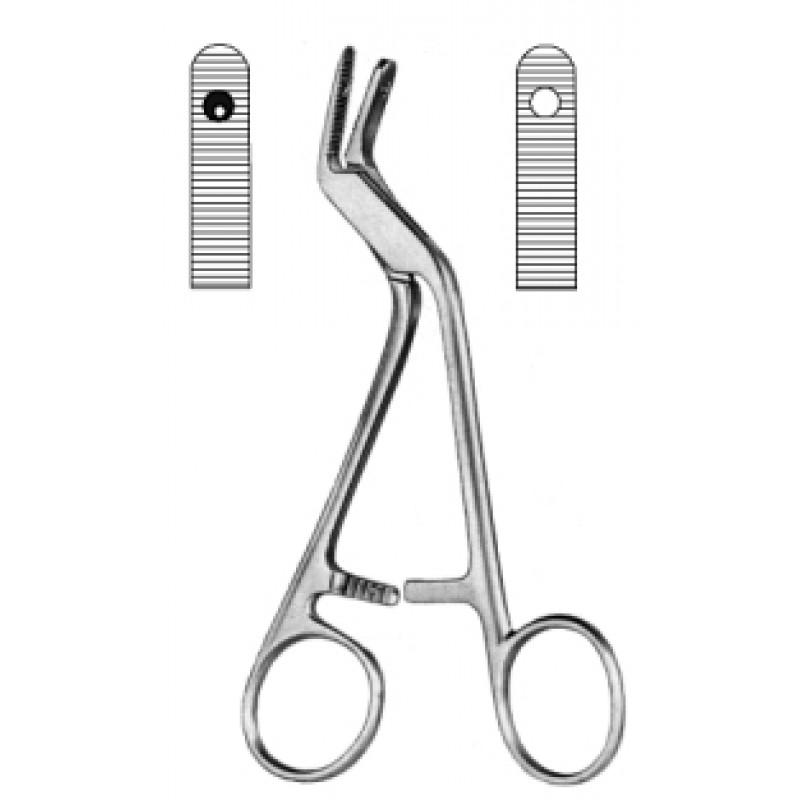
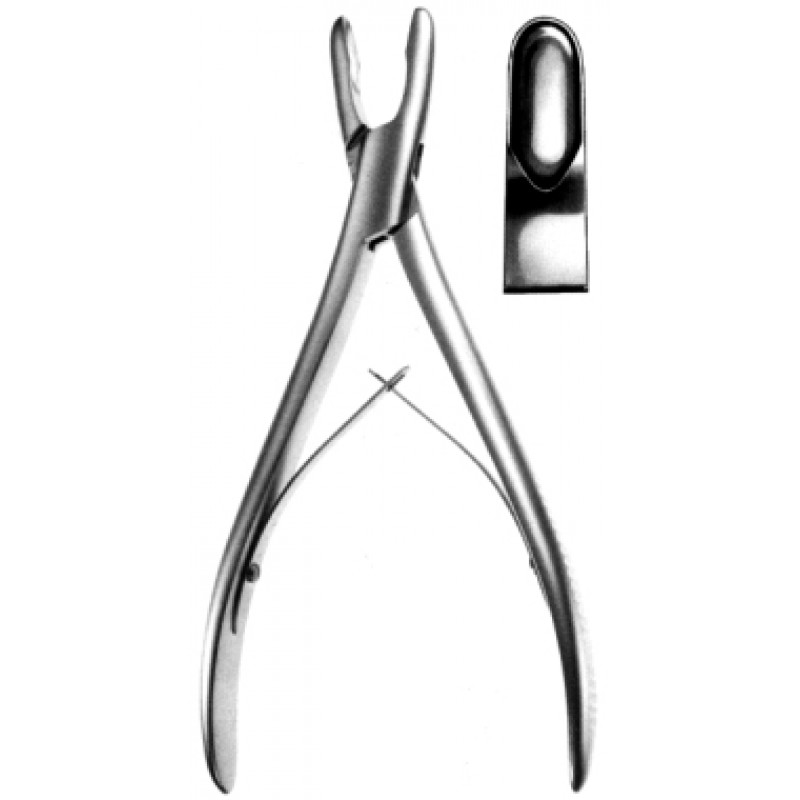
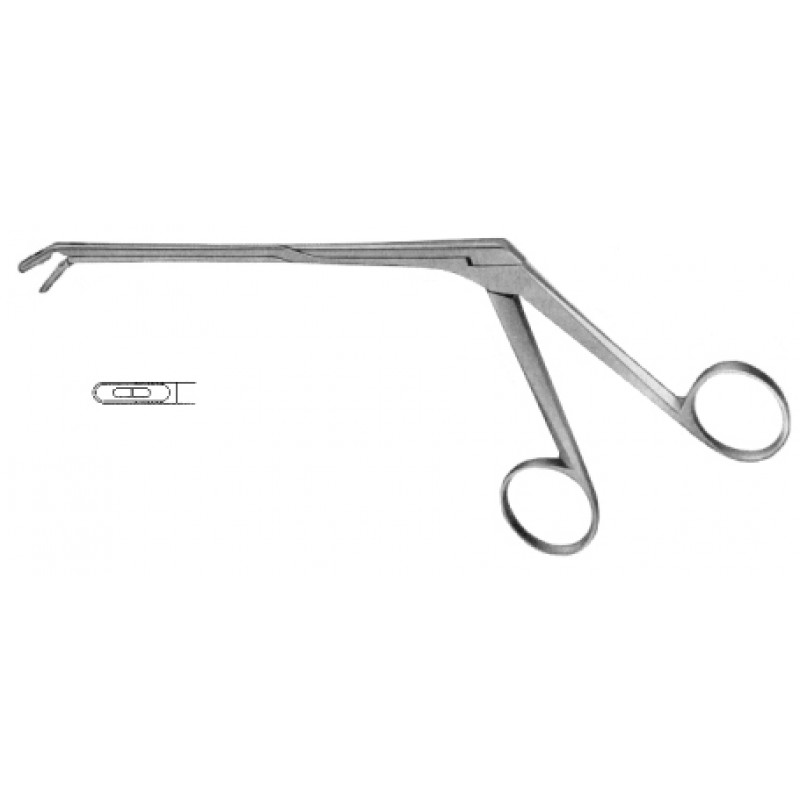
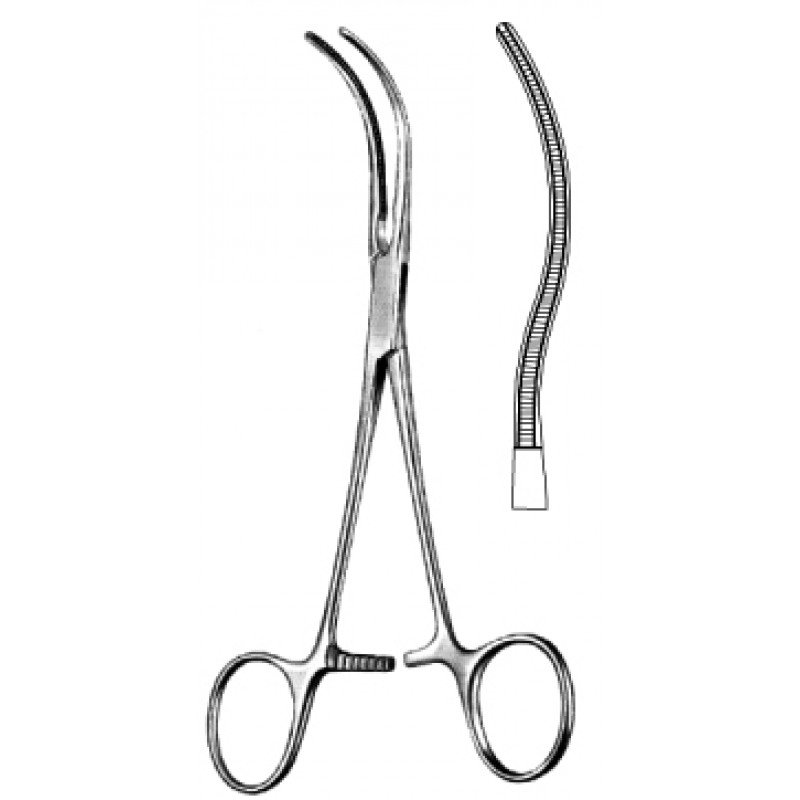
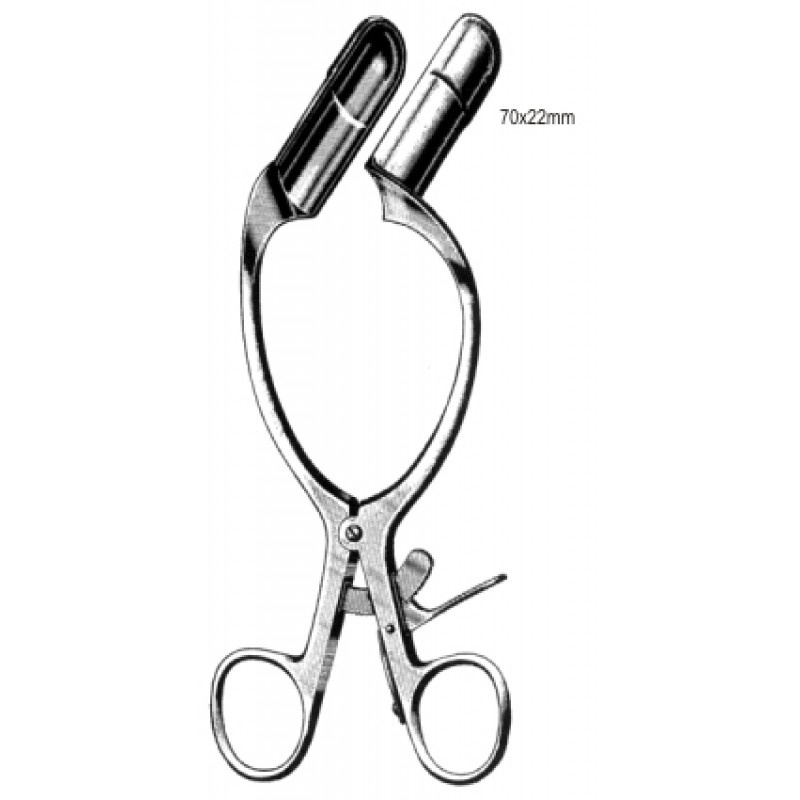
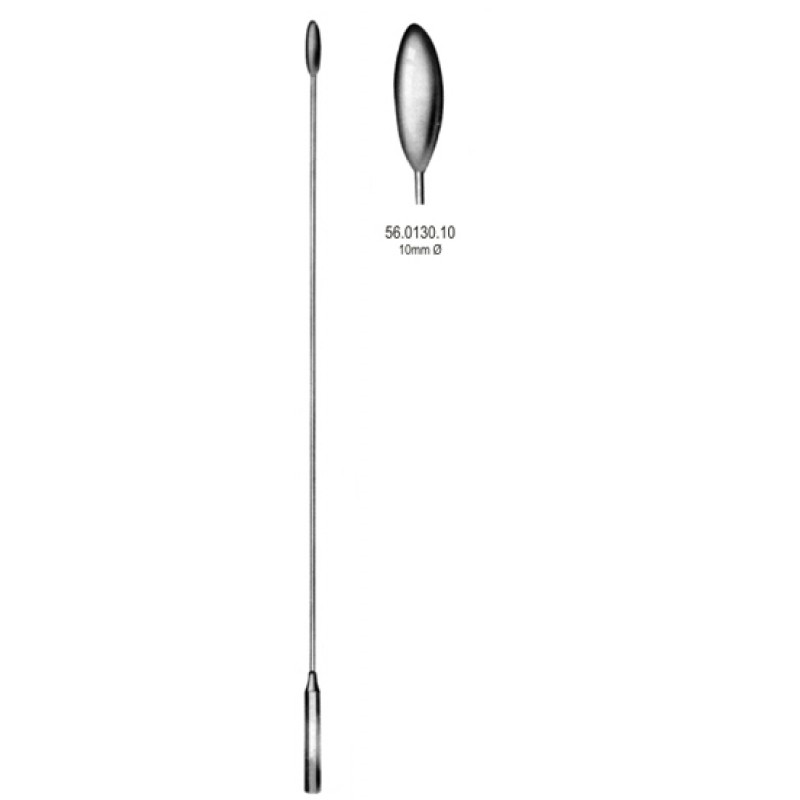
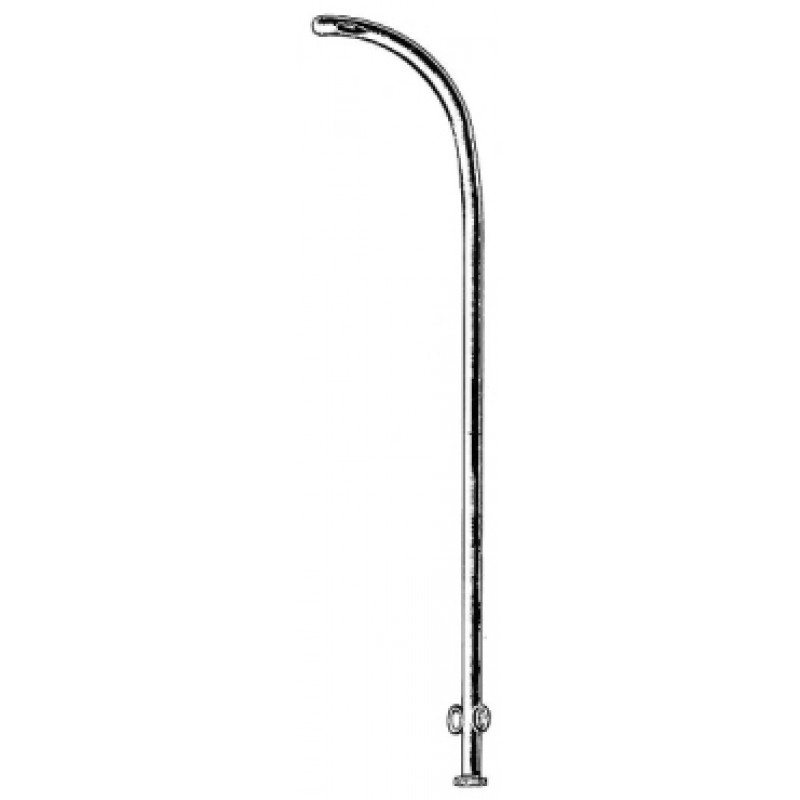
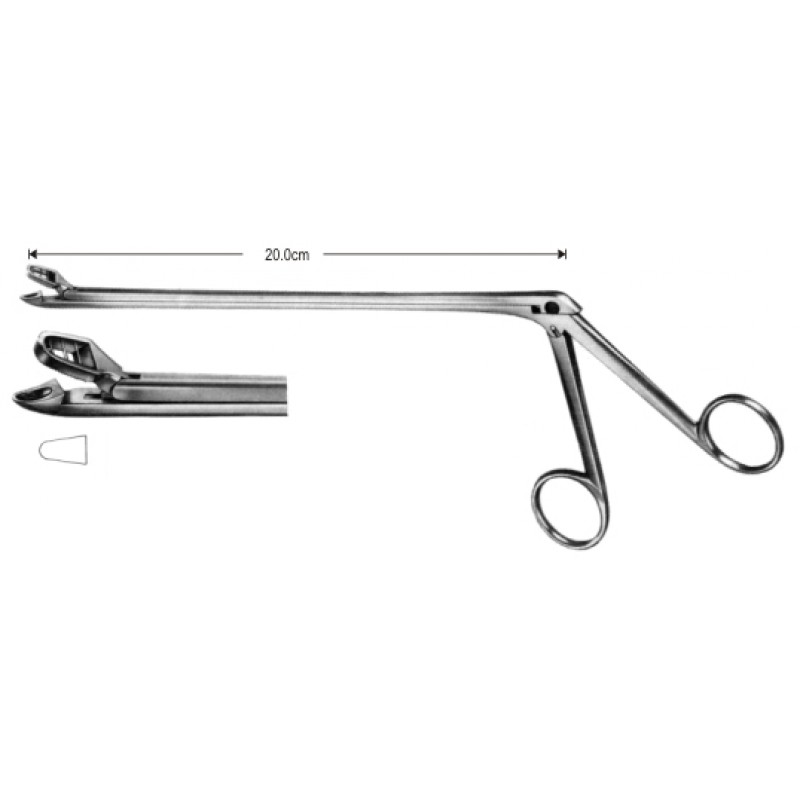


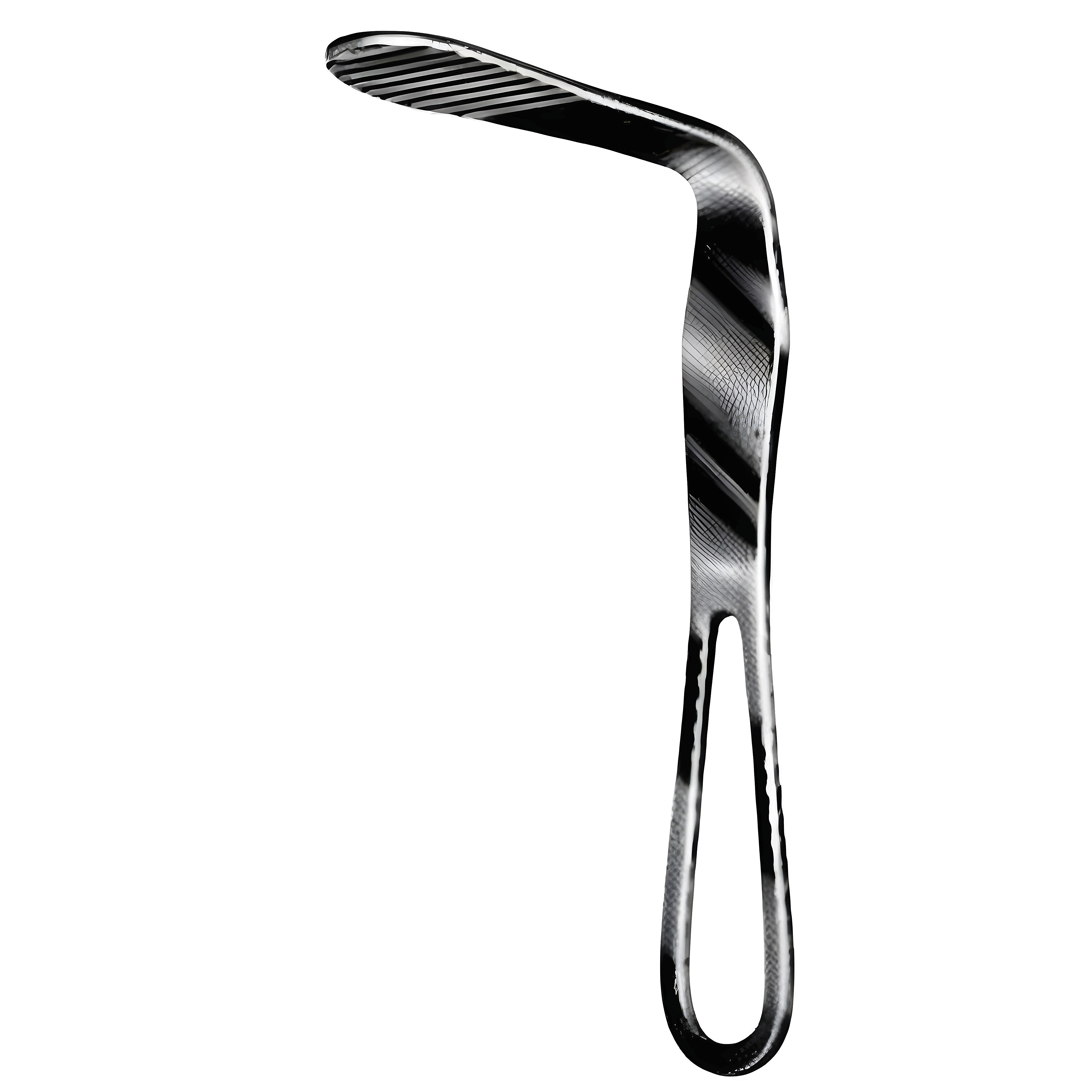
Model: 48.0214.15
Clinical Application
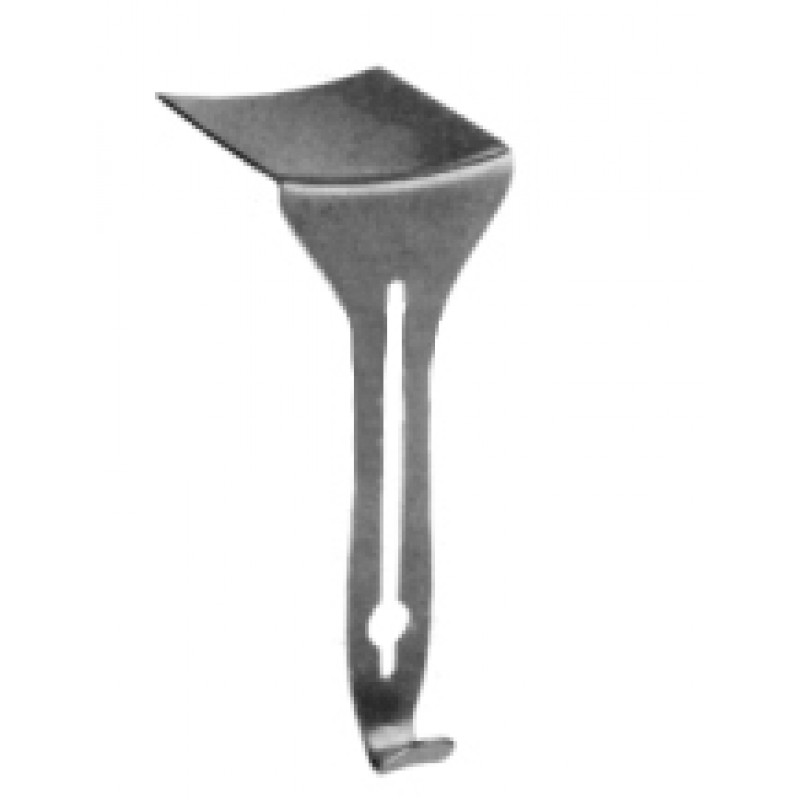
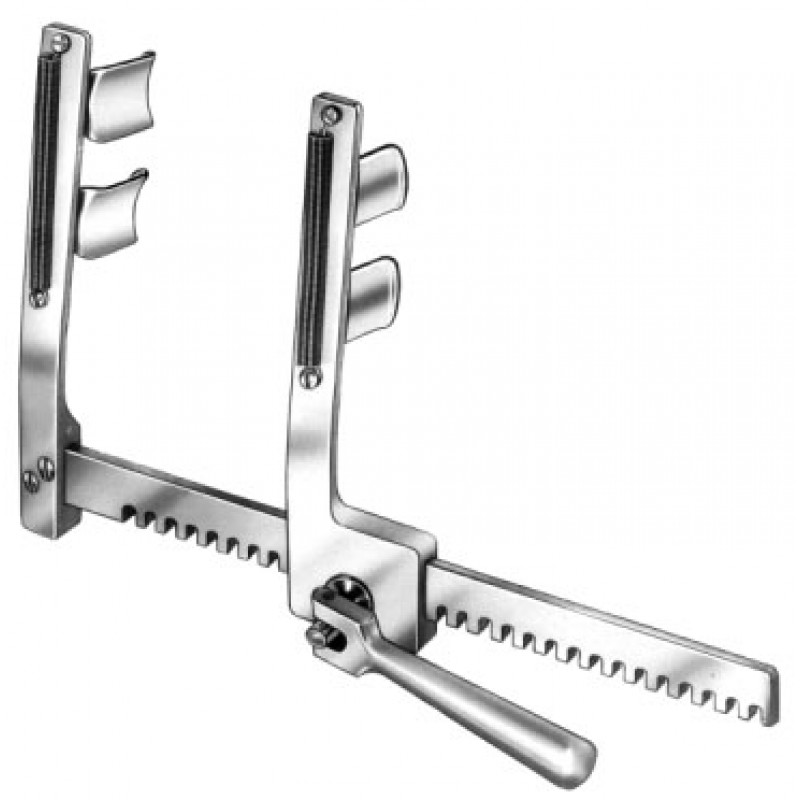
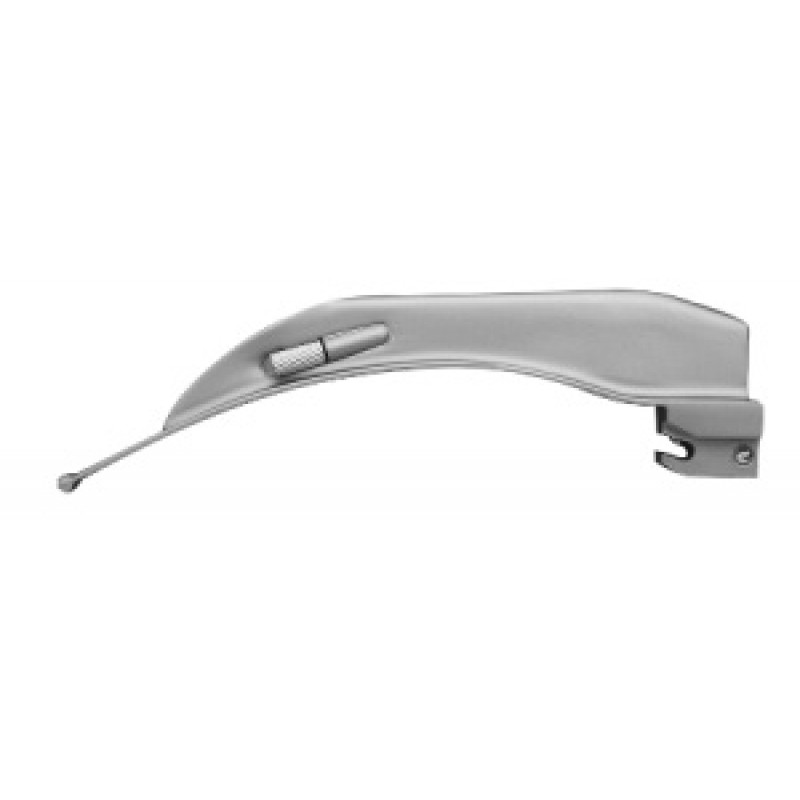
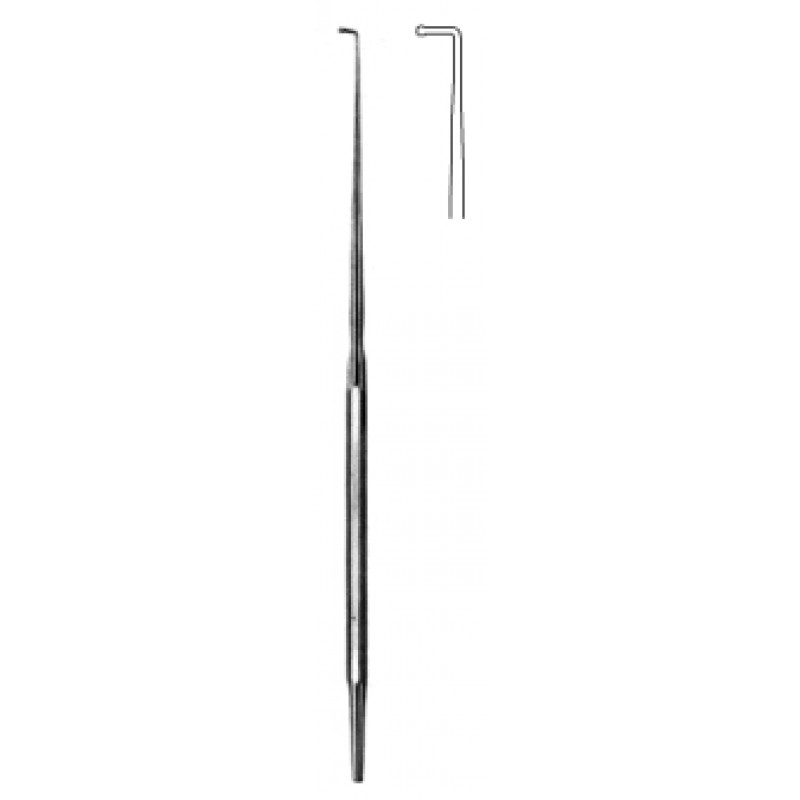
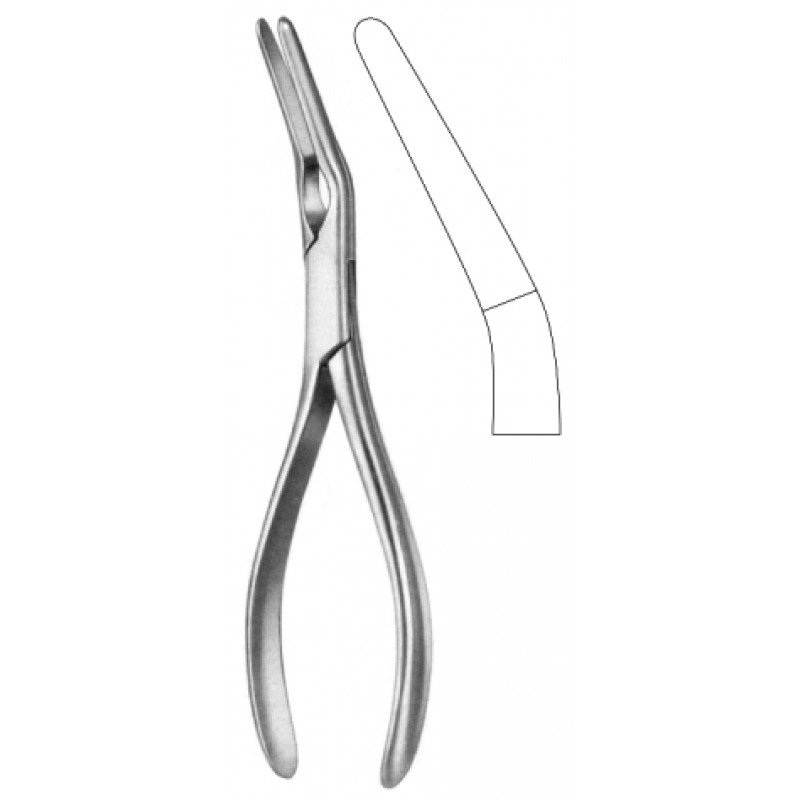
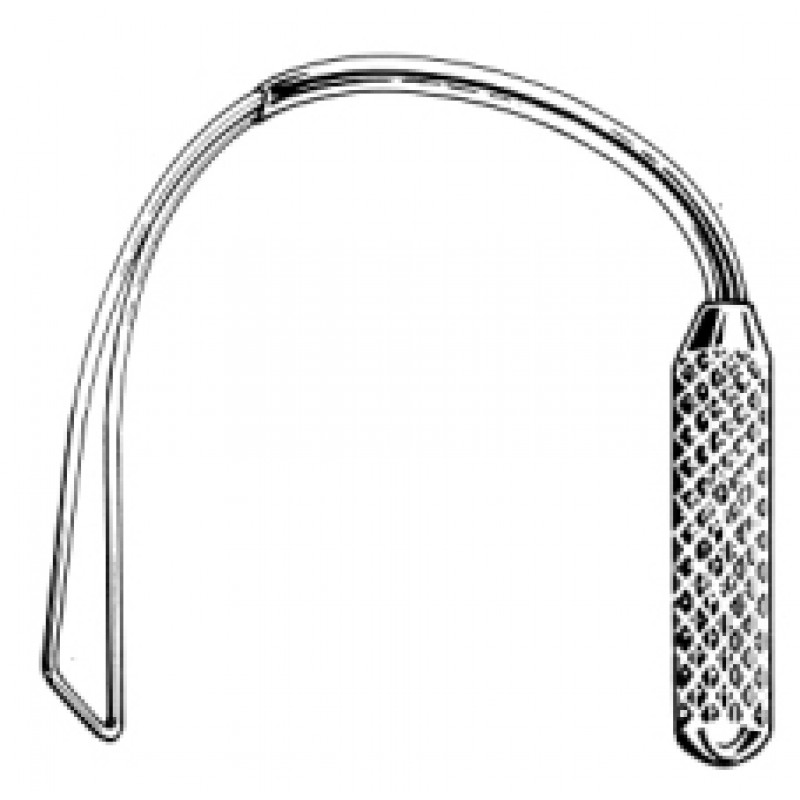
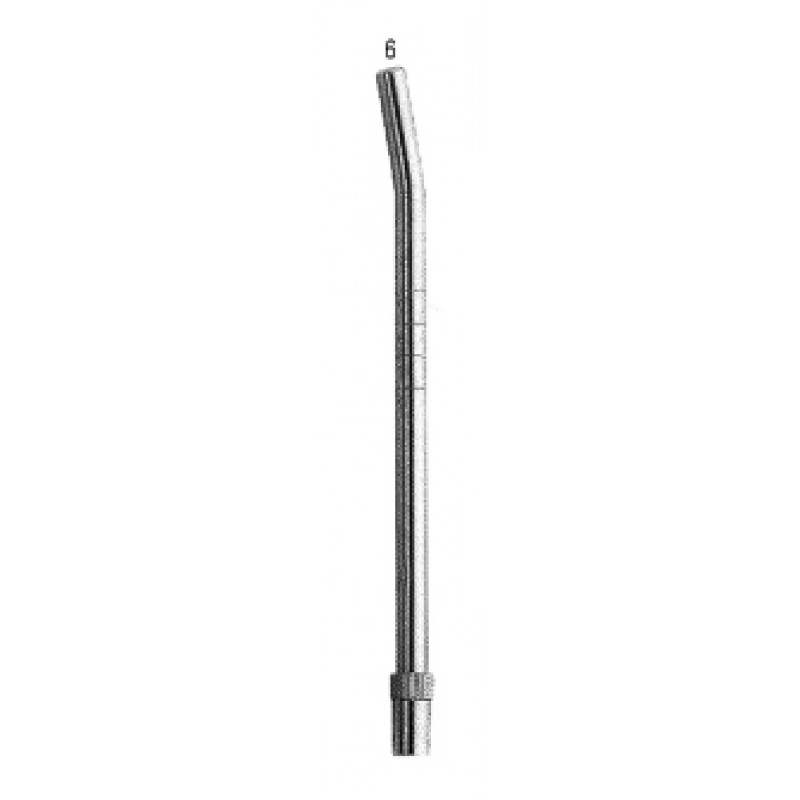
This fenestrated Hartmann tongue depressor provides controlled, atraumatic retraction of the tongue and soft tissues for improved visualization and access to the oral cavity and oropharynx. It is commonly used in ENT, oral-maxillofacial, and general surgical procedures for inspe..
$49.99
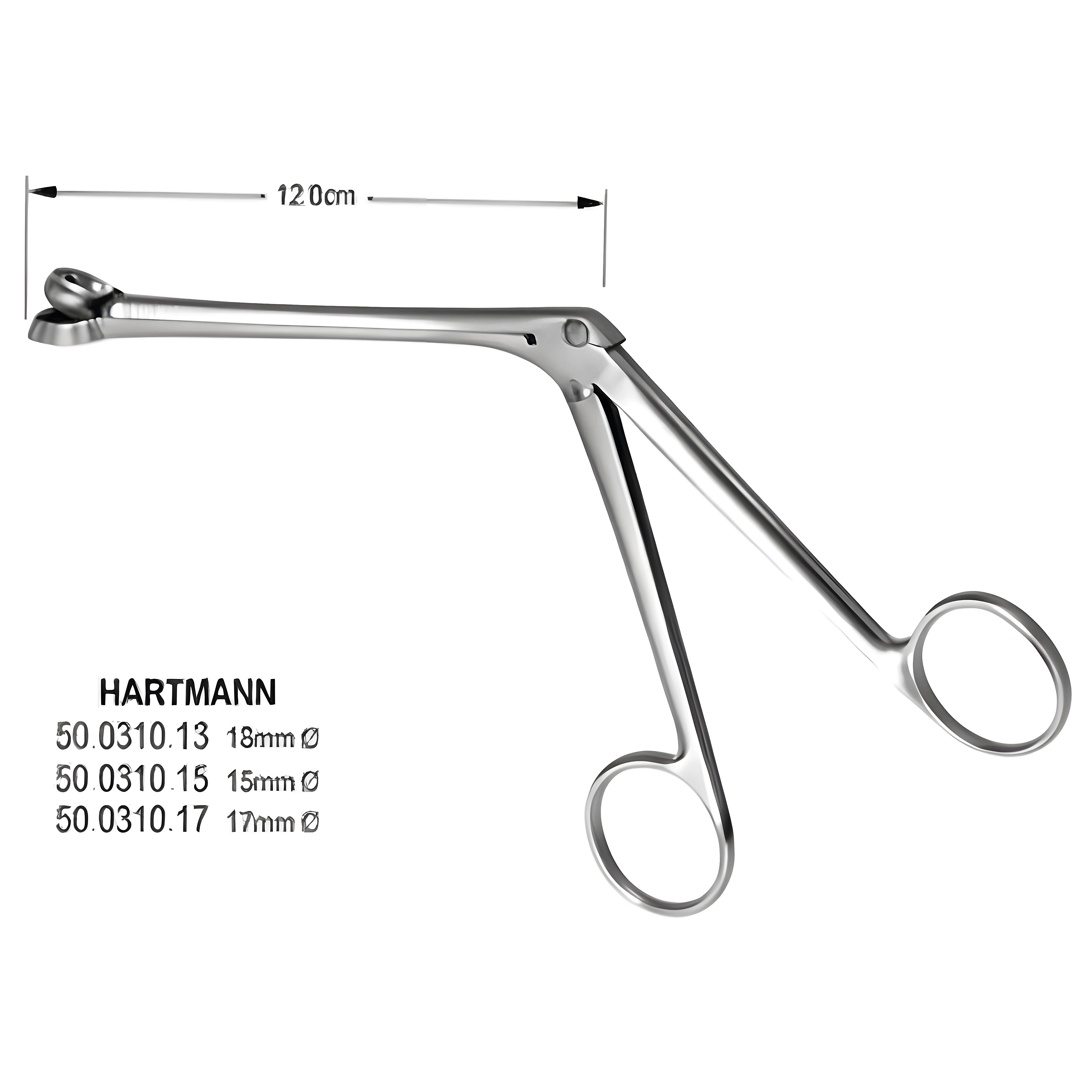
Model: 50.0310.13
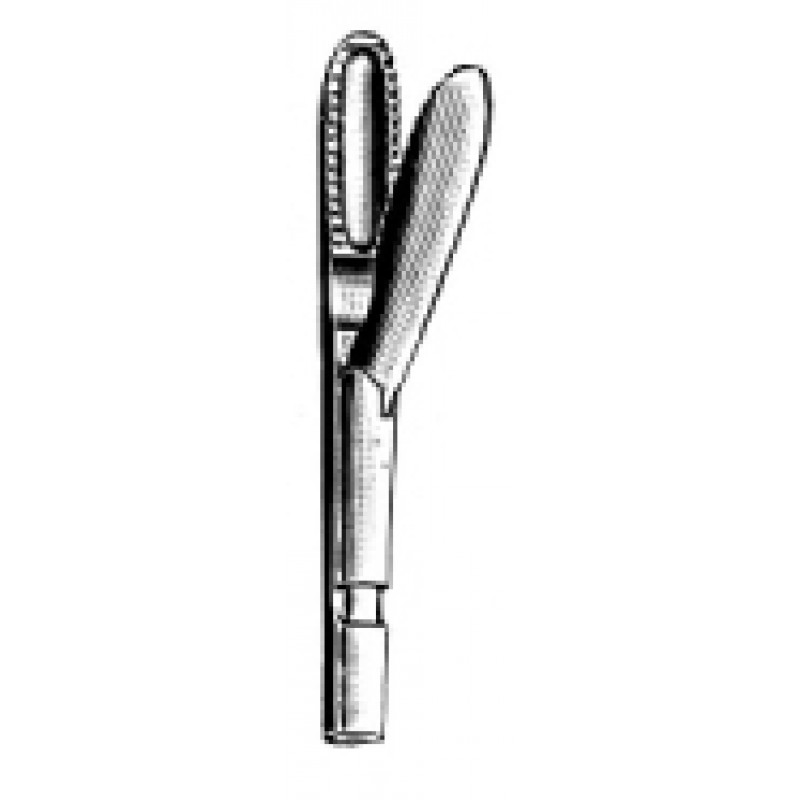
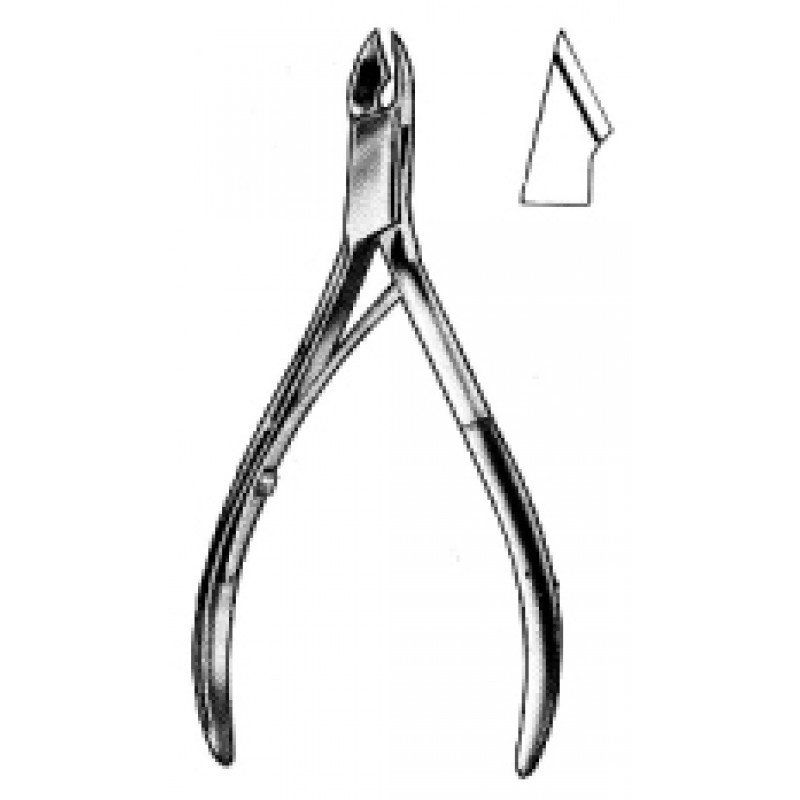
Clinical ApplicationThis instrument is intended for cold-steel excision of tonsillar and adjacent oropharyngeal tissue. The punch configuration delivers controlled, incremental bites of tissue during tonsillectomy, intracapsular tonsillectomy, or focused trimming of tonsillar pillars and peritonsill..
$47.99
Model: 50.0310.15
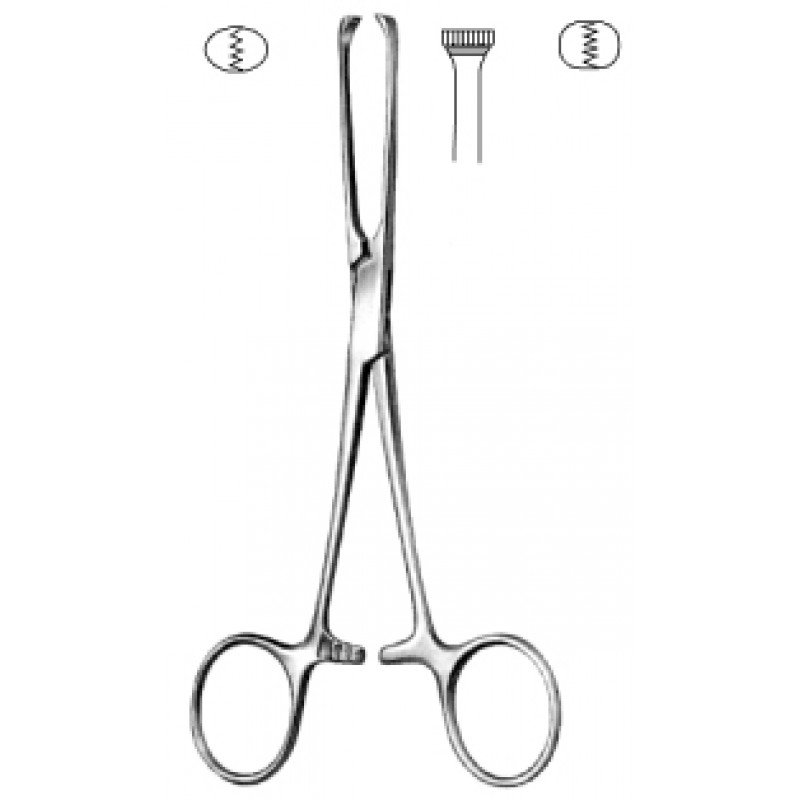
Clinical ApplicationDesigned for use in tonsillectomy and related oropharyngeal procedures where precise coring or partial tissue removal is required. The punch-style jaw allows the surgeon to excise small cores of tonsillar tissue with controlled, repeatable bites, useful in cold-steel techniques a..
$47.99
Model: 50.0310.17
Clinical ApplicationDesigned for use in tonsillectomy and related oropharyngeal procedures, this Hartmann-style punch provides controlled removal of small cores or segments of tonsillar tissue. The punch action permits precise, incremental excision of hypertrophic tonsillar tissue where sharp dissec..
$47.99
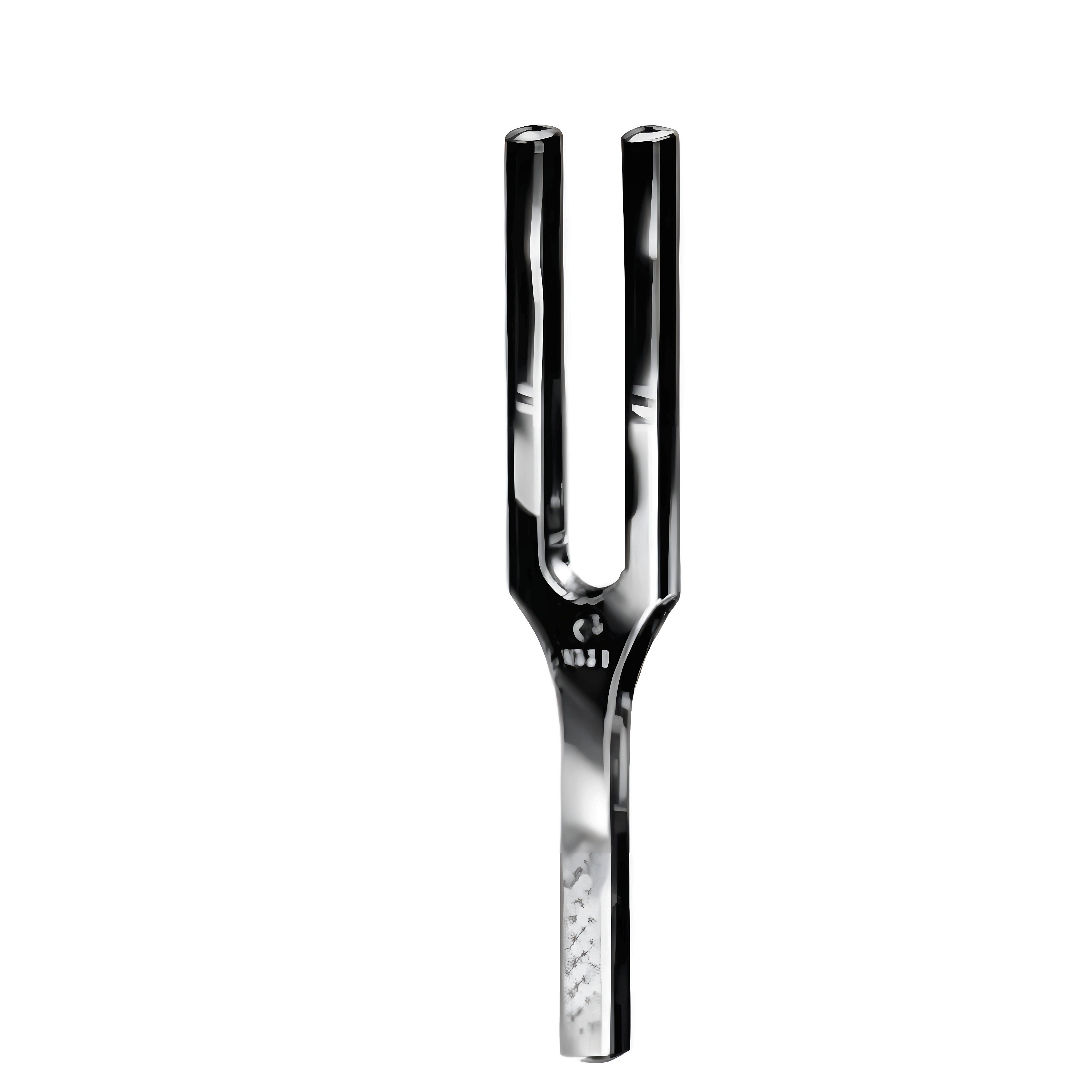
Model: 44.0654.04
Clinical Application
This diagnostic tuning fork is used in otolaryngology and neurology settings for quick bedside assessment of hearing and vibratory sensation. Common applications include Weber and Rinne tests to help differentiate conductive from sensorineural hearing loss and focused assessment..
$38.99
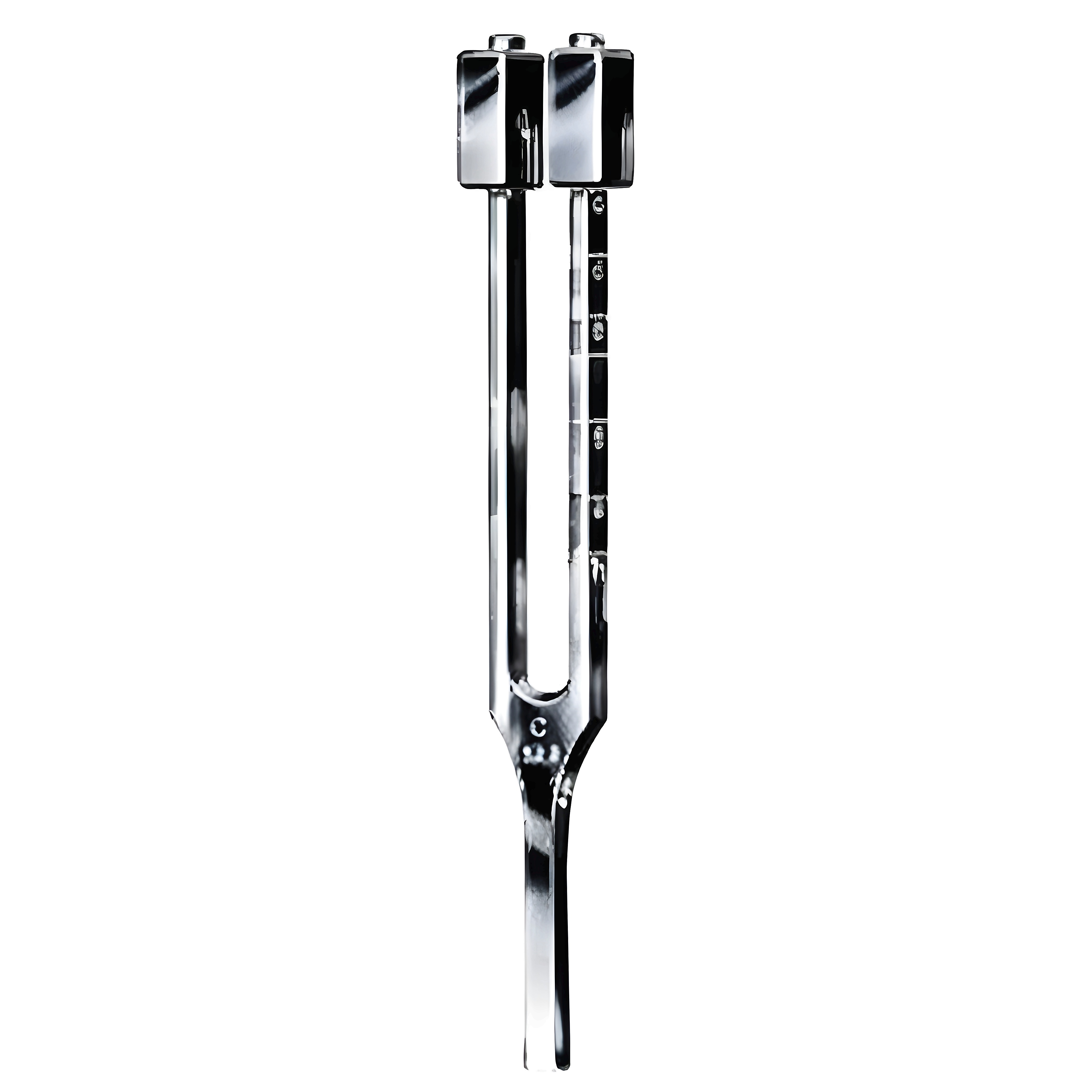
Model: 44.0644.10
Clinical Application
Low-frequency 128 Hz tuning forks are used primarily for assessment of vibratory sensation during neurological and podiatric examinations. This frequency is commonly employed in screening for peripheral neuropathy (for example diabetic neuropathy) and for bedside monitoring of l..
$38.99
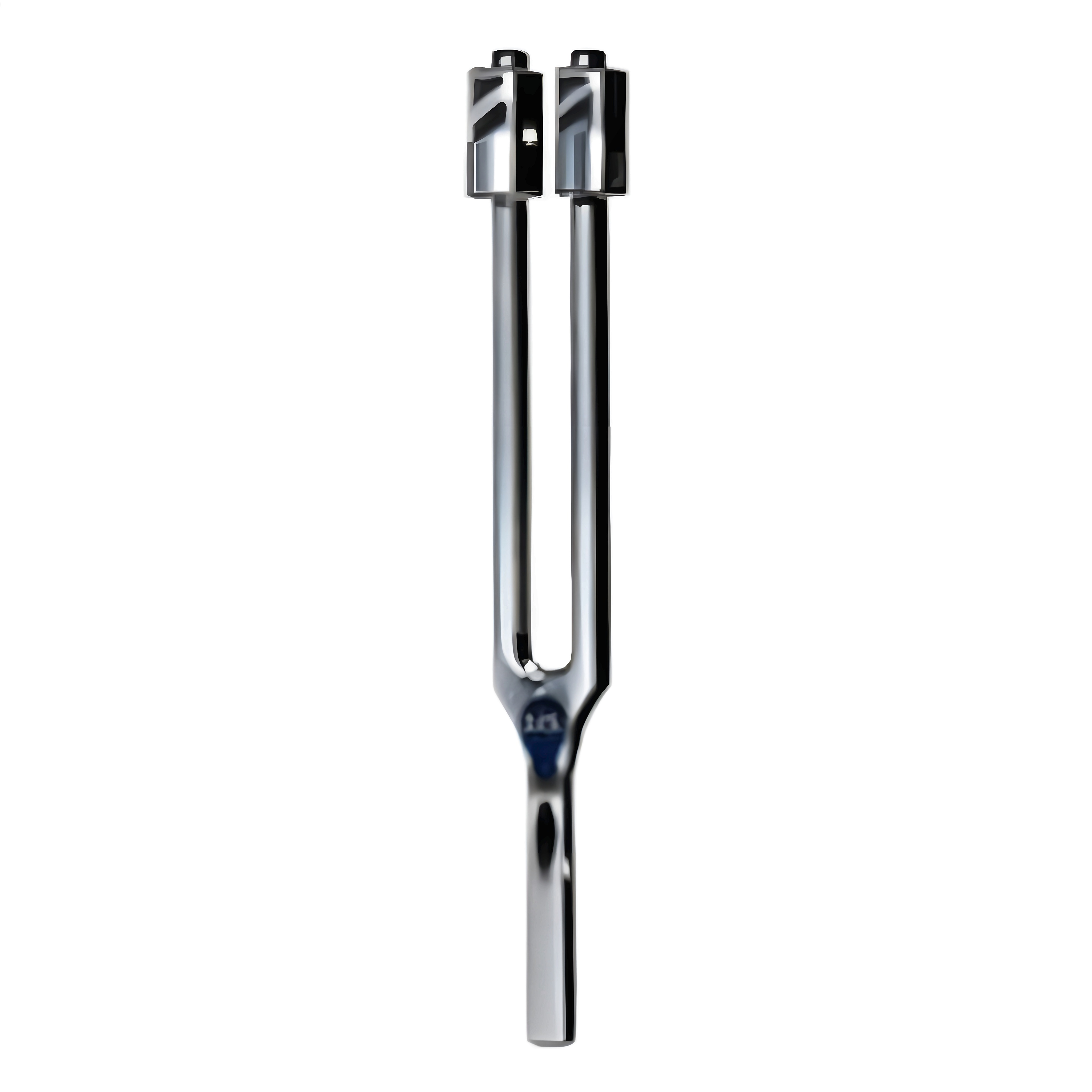
Model: 44.0610.04
Clinical Application
The C 128 tuning fork is a standard diagnostic tool used in otology and general clinical practice. Its 128 Hz frequency is optimized for bedside hearing assessments—most commonly the Rinne and Weber tests—to help differentiate conductive versus sensorineural hearing loss. Outsid..
$38.99
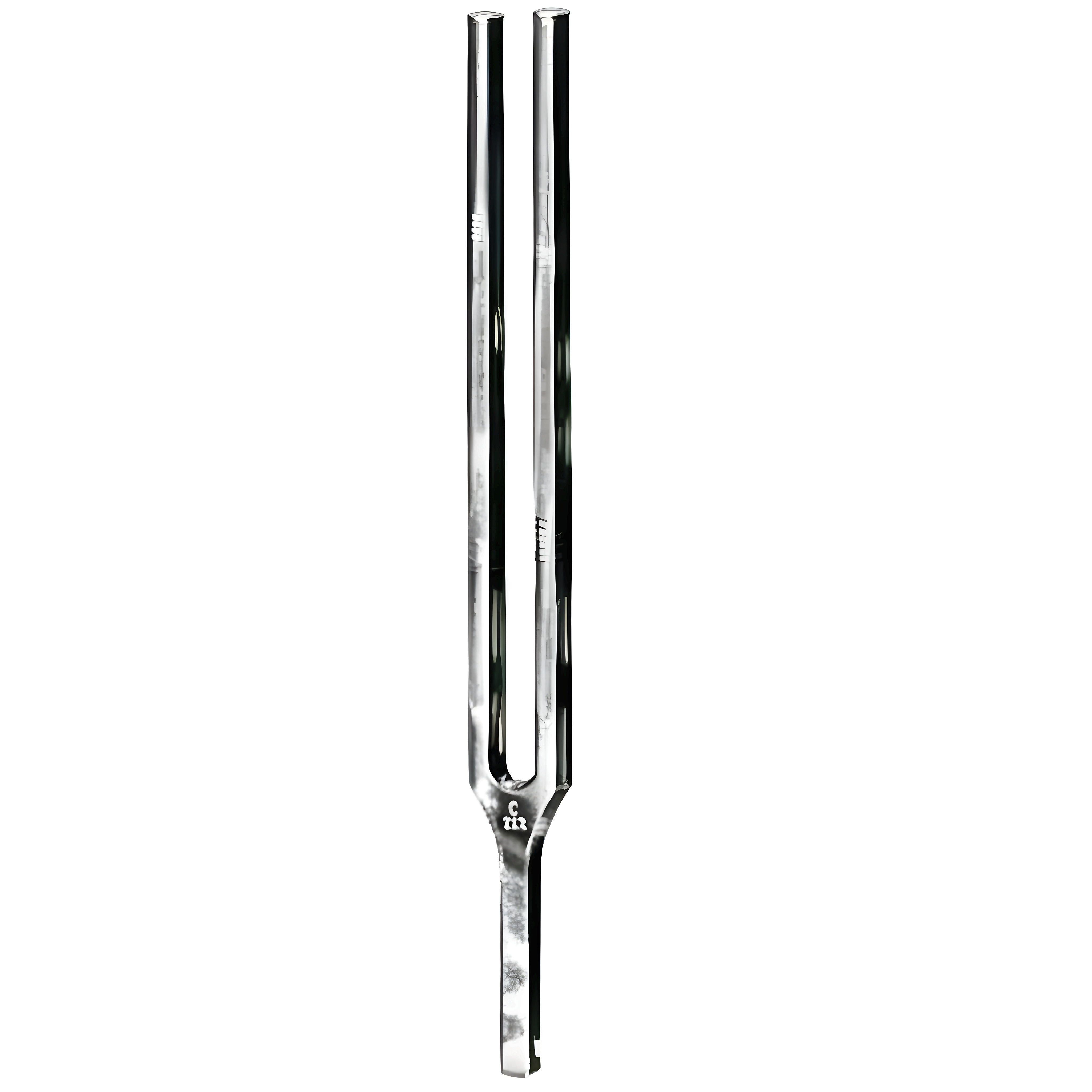
Model: 44.0654.01
Clinical Application
This 128 Hz tuning fork is used for bedside and perioperative sensory assessment. It is optimized for testing vibratory perception in neurology and peripheral neuropathy screening (diabetic, alcoholic, and compressive neuropathies), and for basic otologic assessments such as Rin..
$38.99
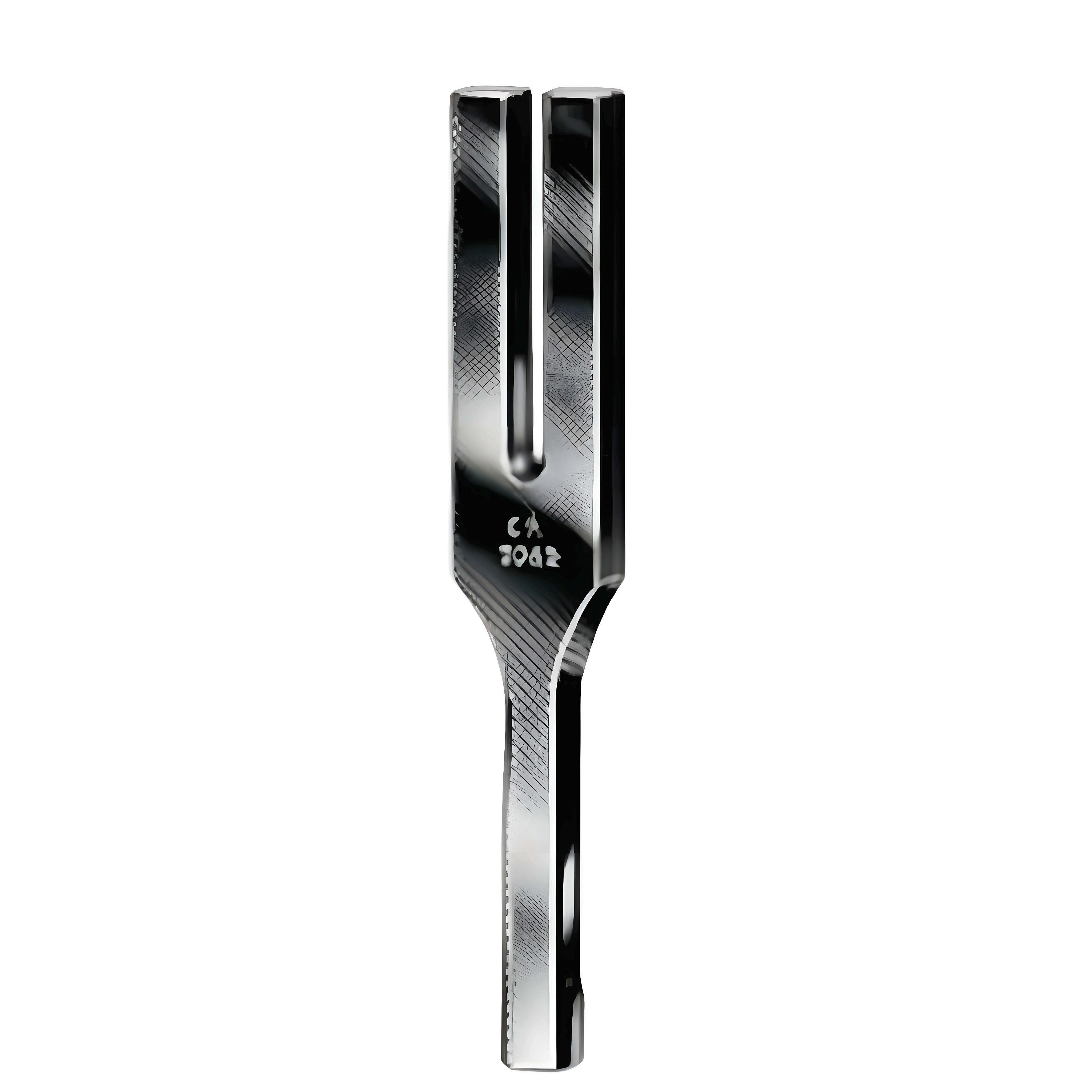
Model: 44.0654.05
Clinical ApplicationThis high-frequency diagnostic tuning fork is intended for bedside hearing evaluation and rapid otologic screening. The C 2048 model is used for Weber and Rinne tests to differentiate conductive from sensorineural hearing loss and to assess high-frequency bone conduction pathways..
$38.99
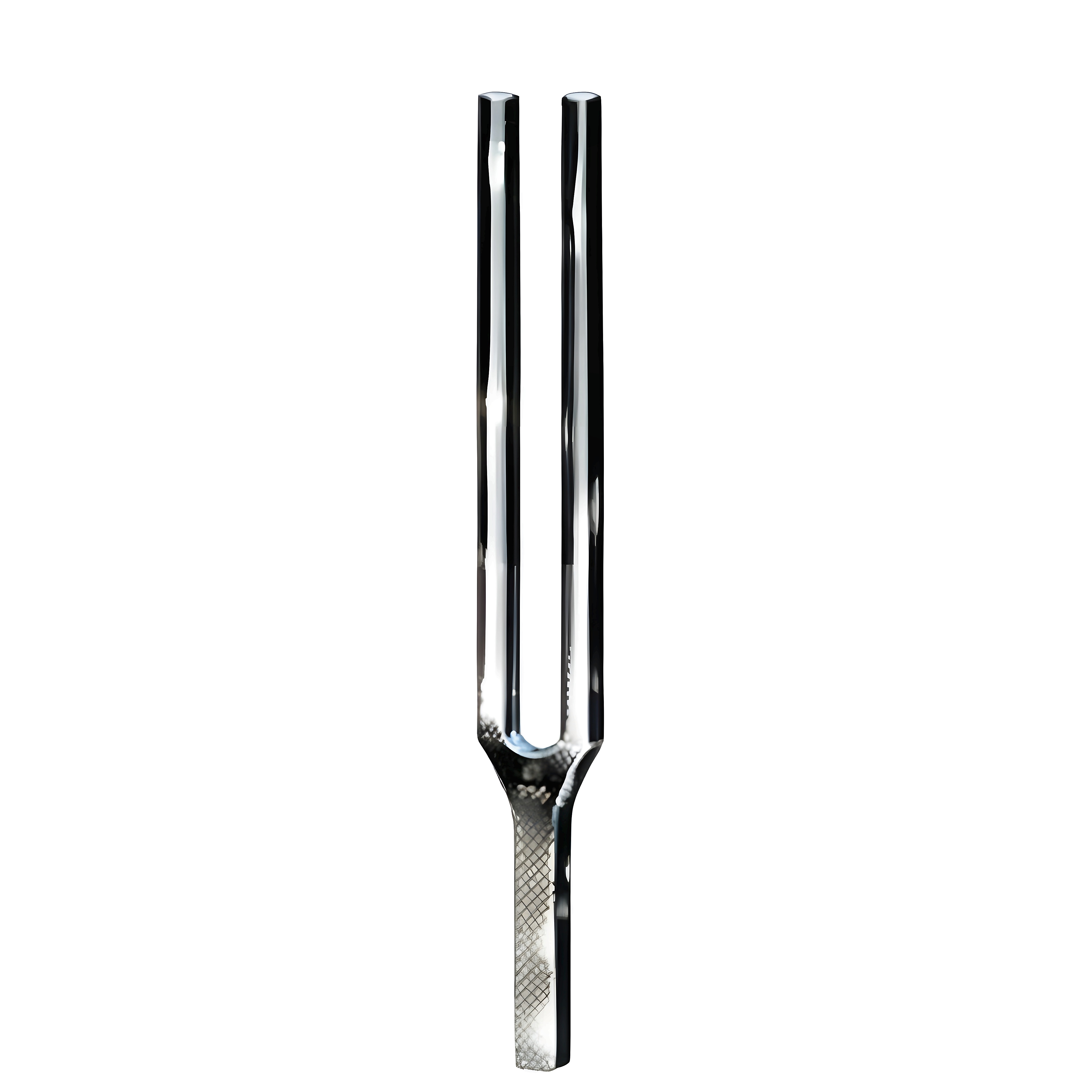
Model: 44.0654.02
Clinical ApplicationThis diagnostic instrument is used for rapid bedside assessment of hearing and bone conduction. The C 256 tuning fork supports Weber and Rinne maneuvers to help differentiate conductive from sensorineural hearing loss and to localize lateralization of sound. It is commonly used i..
$38.99
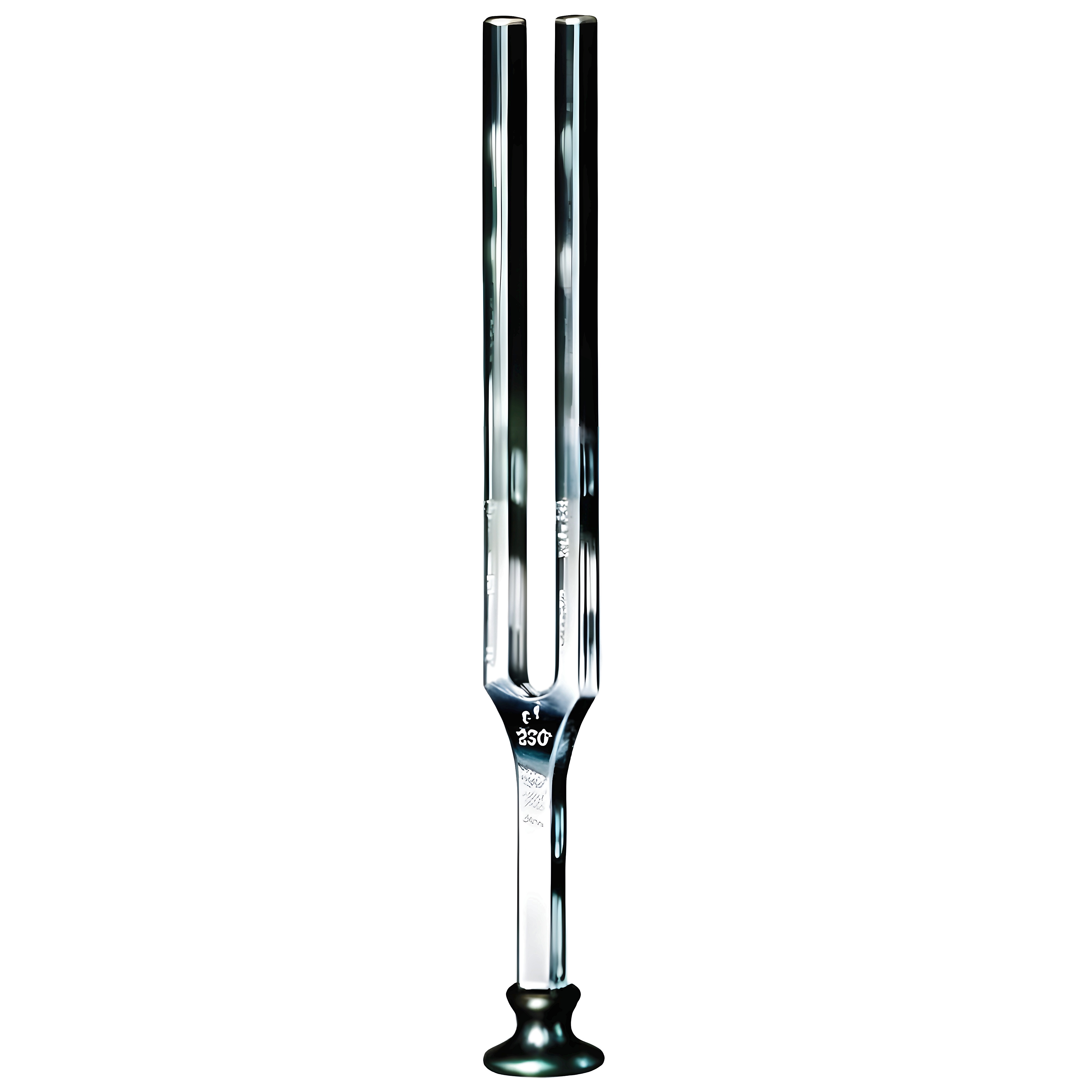
Model: 44.0646.11
Clinical ApplicationThis two-prong diagnostic instrument is used to evaluate auditory function and peripheral vibratory sensation at the bedside or in clinic. The 256 Hz frequency is commonly employed for Rinne and Weber tuning-fork tests to differentiate conductive versus sensorineural hearing loss..
$38.99
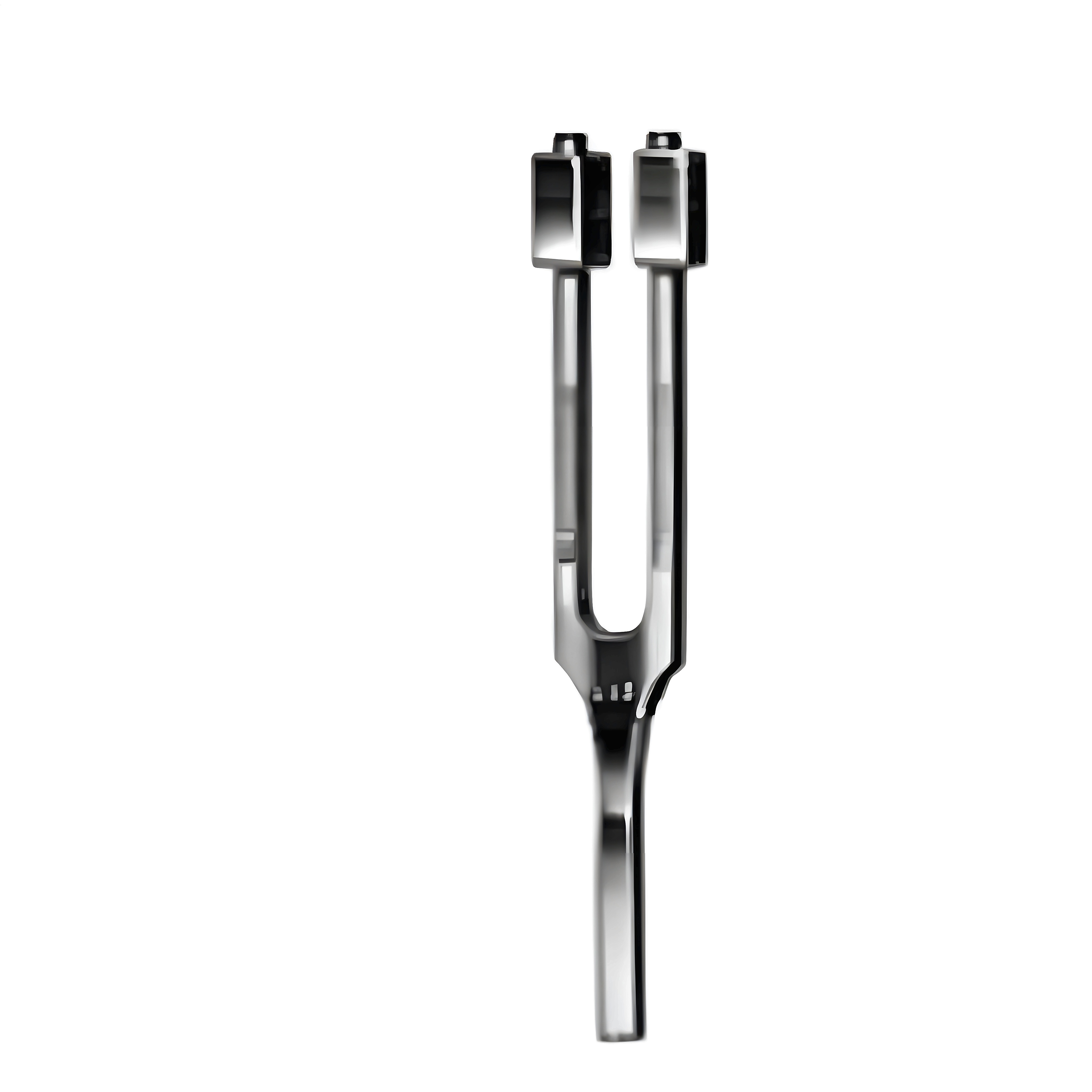
Model: 44.0610.05
Clinical Application
This two-pronged diagnostic tool is designed for basic auditory and vibratory assessments in ENT, audiology and general clinical settings. It is used to perform Rinne and Weber tests to help differentiate conductive from sensorineural hearing loss, and for quick bedside screenin..
$38.99